
Last updated November 25, 2026
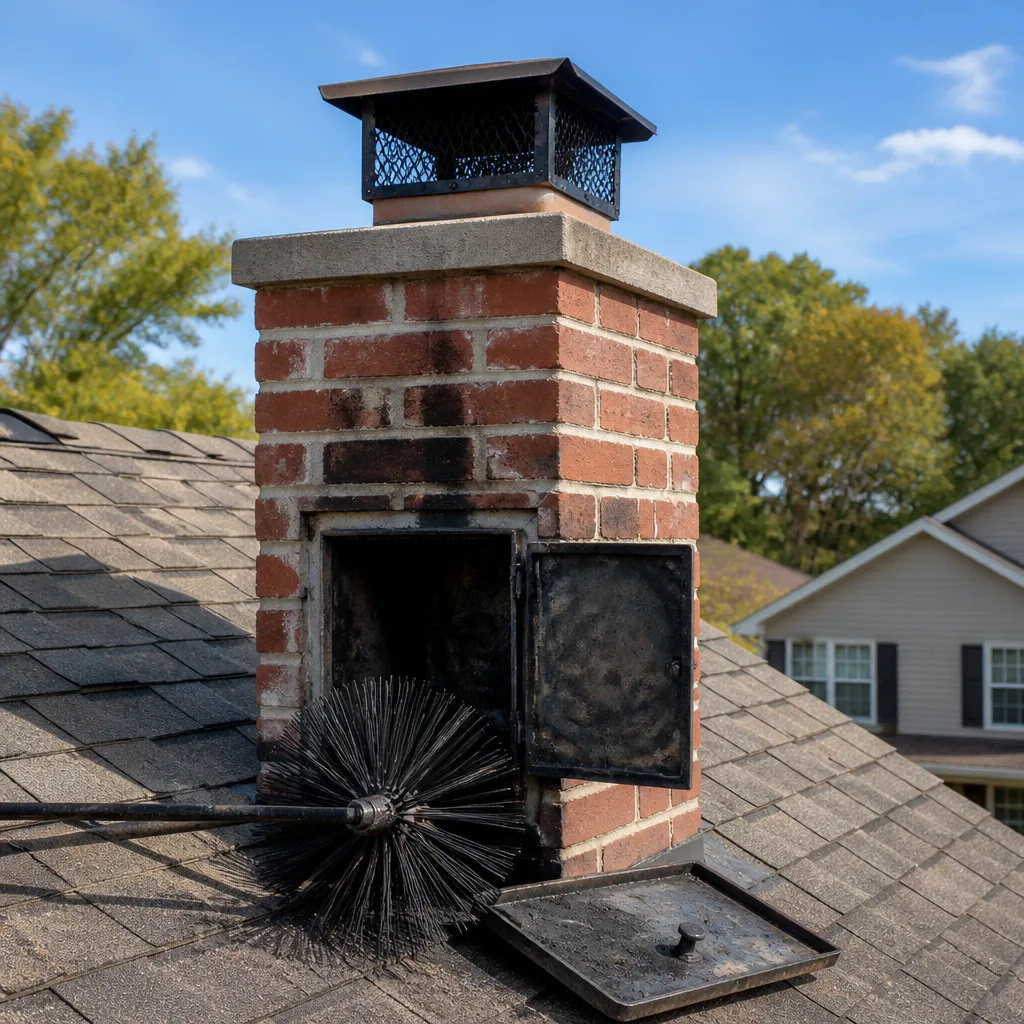 Sweep & inspection
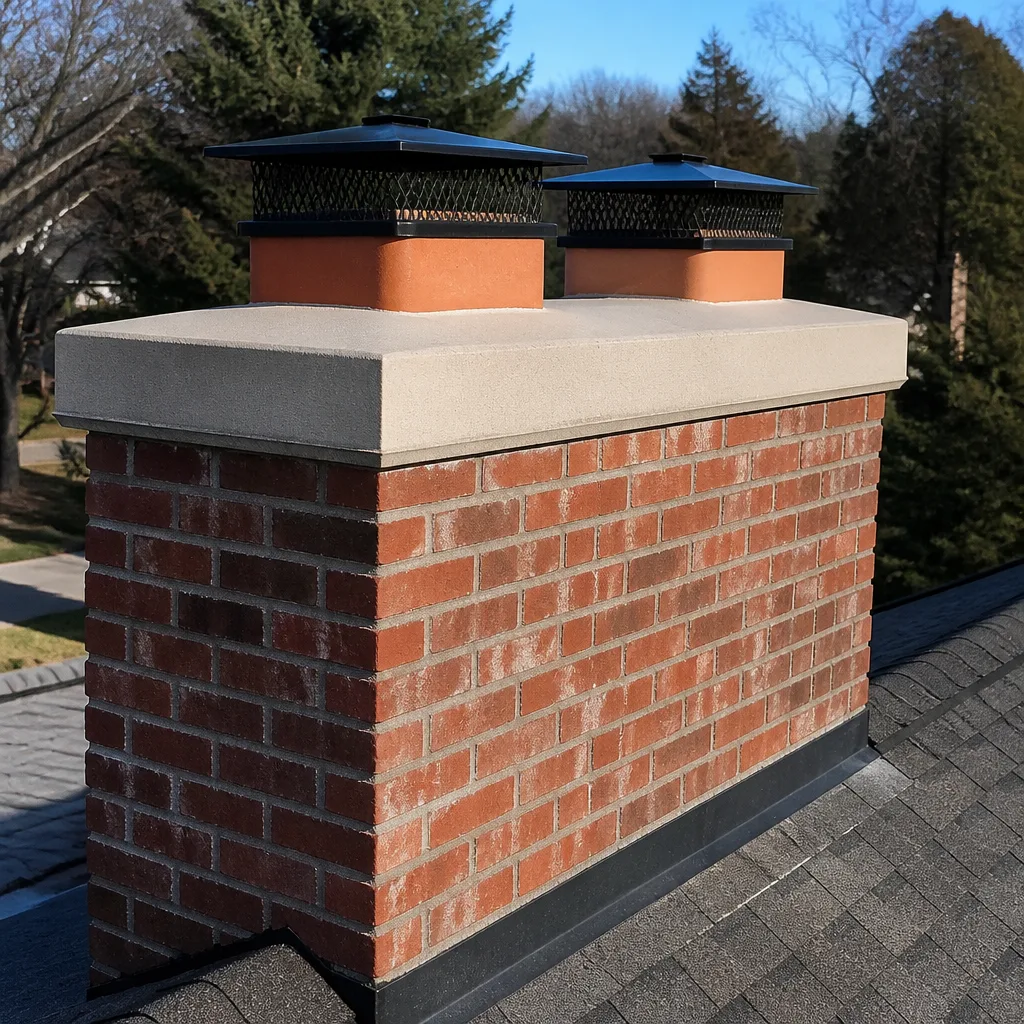 Caps & crowns
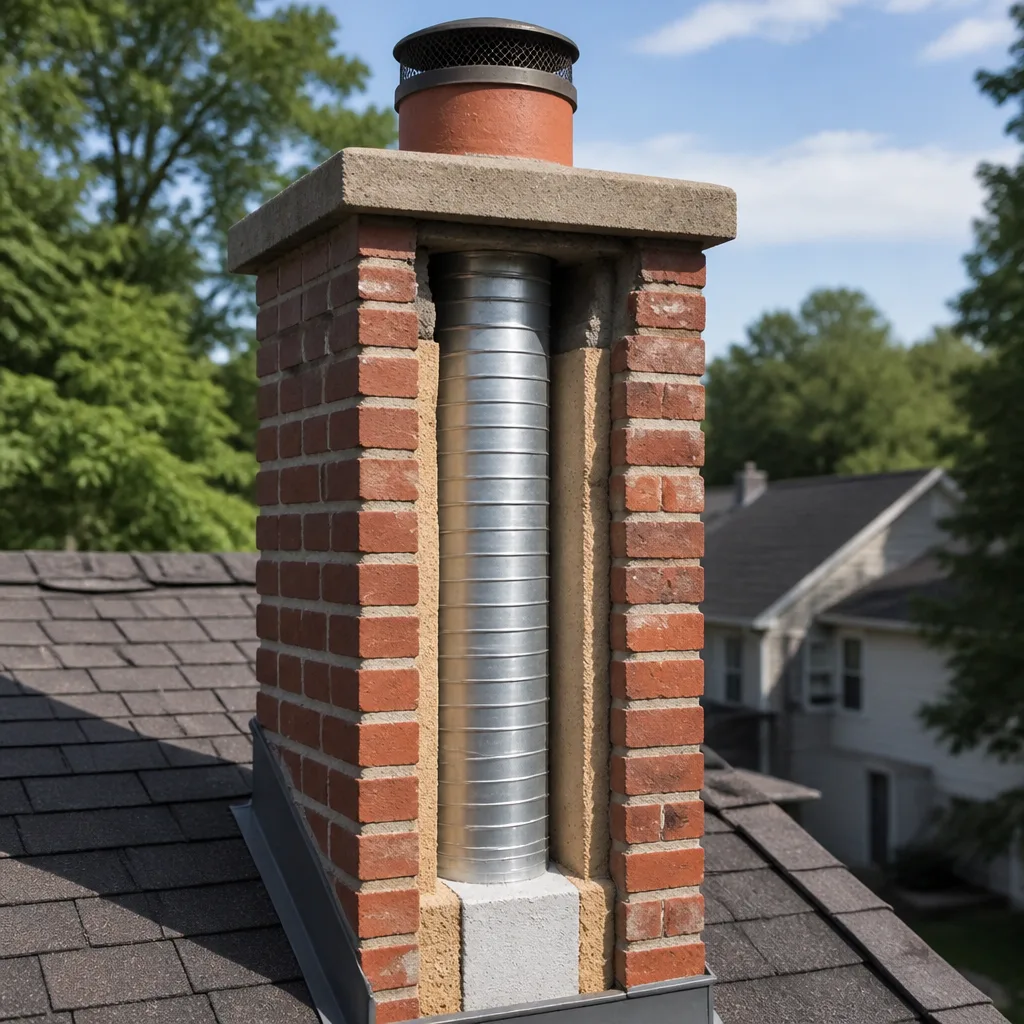 Flue relining
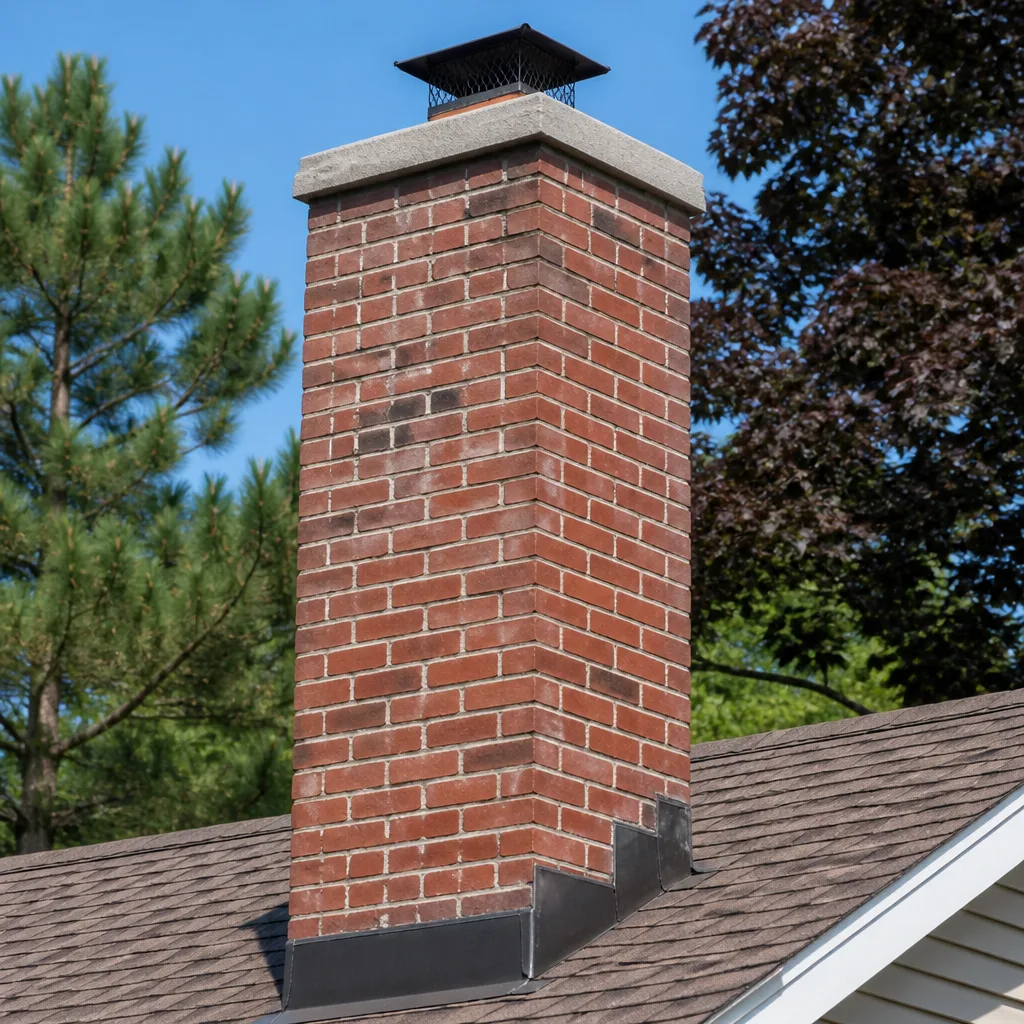 Masonry repair
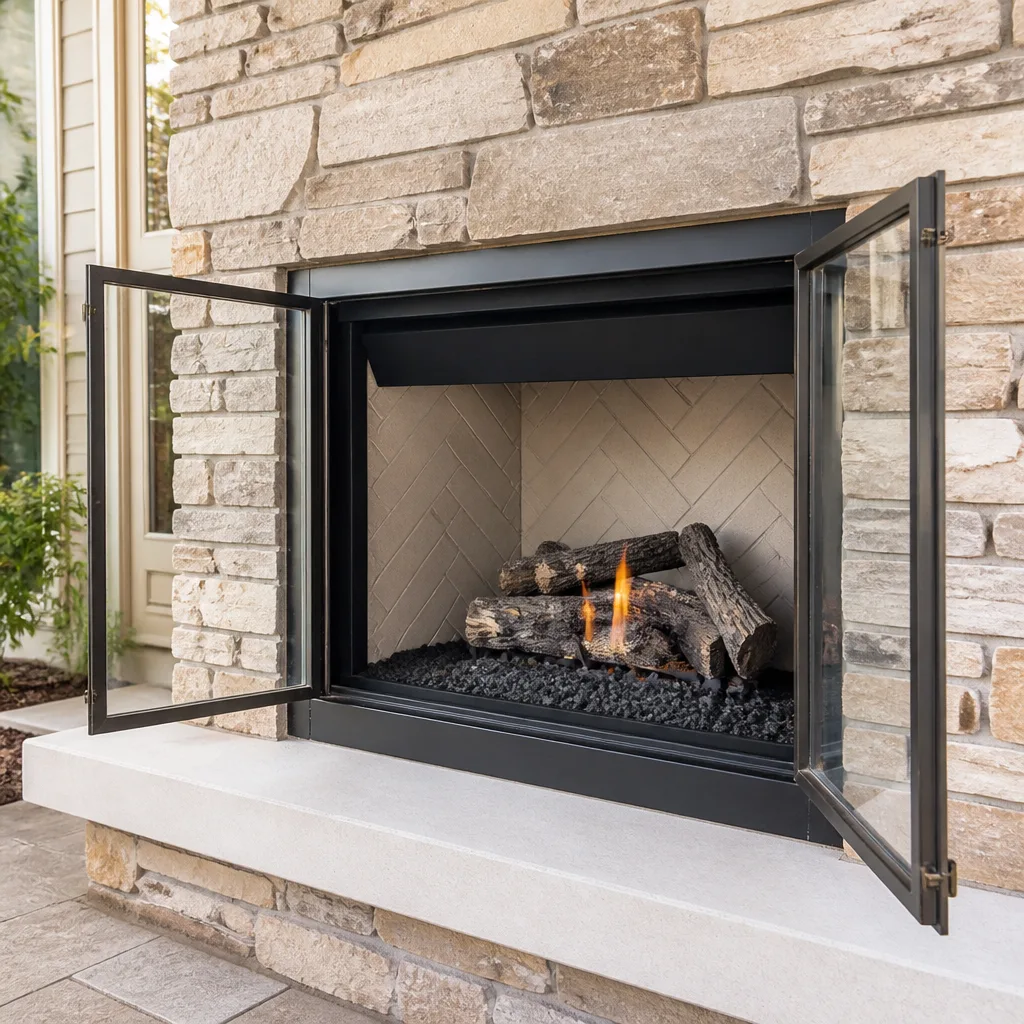 Gas fireplace service
Level 1 sweep and inspection to the NFPA 211 annual standard - flue, crown, cap, and flashing checked and photographed
Chimney sweep logs do not sweep chimneys. They loosen some creosote - which then falls where a brush and vacuum still have to collect it.
Chimney Cleaning Warning Signs: A Fullerton Homeowner’s Reference Guide
The smell of a campfire in your living room when the fireplace isn’t lit isn’t a draft problem. It’s a creosote problem, and it means your chimney needs cleaning before the next fire, not after. Most warning sign lists stop at “white smoke” and “odd smells” and leave you no better off than you were before you read them. This guide goes further. We map each symptom to the specific mechanical failure behind it, so when you call a sweep you can say “the fire is slow to catch and the glass stays sooty” instead of “something seems off.” That precision saves time, money, and sometimes a lot more. We’ll cover what your nose can tell you, what you can spot from the yard without a ladder, and how to tell a cleaning issue from a structural one in your Fullerton home.
Quick Answer
The core warning signs that your chimney needs cleaning are: a strong campfire or acrid smell in the room when the fireplace is cold, oily black or flaky residue on the firebox walls or damper, smoke spilling back into the room instead of going up, fires that are slow to start and burn weakly, and dark staining or debris visible at the chimney cap from outside. Any one of these means it’s time for a professional inspection and sweep, and two or more together mean you should stop using the fireplace until it’s checked. In Fullerton’s mild, damp winters, moisture cycling on exterior masonry adds a sixth sign: white powdery staining called efflorescence, which points to water getting into the brickwork.
Styles & brands we work with
- Sweep & inspection
- Caps & crowns
- Flue relining
- Masonry repair
- Gas fireplace service
Table of Contents
- The Symptom-to-Cause Map: What Each Warning Sign Actually Means
- What Your Nose Can Tell You: Stage 1, 2, and 3 Creosote by Smell and What Each Requires
- Warning Signs Unique to Fullerton Homes: Moisture Cycling and Damper Resistance
- How to Tell a Cleaning Issue from a Structural Issue
- Warning Signs You Can See from the Street or Yard (No Ladder Needed)
- A Room-by-Room Walkthrough: Checking Your Own Chimney in Nine Steps
- How to Describe What You’re Seeing to Your Sweep
- Common Mistakes to Avoid
- When to Call a Professional
- Frequently Asked Questions
- The Bottom Line
The Symptom-to-Cause Map: What Each Warning Sign Actually Means
Most homeowners notice a symptom and stop there. The real value is in connecting that symptom to the part of the chimney that’s failing. When you know the cause, you can predict what the fix will involve and you won’t be talked into work you don’t need. Here’s the map we use when we walk a Fullerton home.
- Oily black residue on the firebox walls or damper: This is Stage 2 or Stage 3 creosote, a hardened, tar-like deposit that builds when smoke cools too fast or the fire runs cold. It’s flammable and it won’t brush off with a standard sweep. It points to a flue that needs a rotary cleaning and possibly a resurfacing product like HeatShield if the liner has deteriorated underneath.
- Smoke backdrafting into the room: When smoke rolls out of the firebox instead of rising, the chimney isn’t drawing. The causes range from a blockage (nesting debris, a collapsed liner tile) to negative pressure in the house, to a flue that’s undersized for the firebox opening. This is a stop-use condition until it’s checked.
- Slow-starting, weak fires: A fire that takes forever to catch and burns lazily usually means restricted airflow. A partial blockage, a closed or stuck damper, or a cap screen packed with debris will all do it. It also means the fire is burning cold, which accelerates creosote buildup, so it’s a problem that feeds itself.
- Debris visible at or around the chimney cap: Twigs, leaves, or a mat of nesting material visible through the cap screen tells you the flue is a wildlife highway. A cap that’s rusted through or missing lets water straight into the flue.
- White powdery staining on exterior brick: Efflorescence is salt pushed out of the masonry as water moves through it and evaporates. It’s a moisture problem, and moisture is what rots crowns and cracks mortar. We’ll come back to this in the Fullerton-specific section.
A chimney sweep uses a camera to confirm which of these you have before recommending anything. That’s the whole point of the map: every sign has a name, and every name has a fix.
What Your Nose Can Tell You: Stage 1, 2, and 3 Creosote by Smell and What Each Requires
Creosote has three stages, and each smells different. Learning to tell them apart by scent – without ever climbing onto the roof – is one of the most useful skills a wood-burning homeowner can develop. If it smells like a campfire inside the house, you’re already past Stage 1.
Stage 1: Sooty, flaky, faint smoke smell
Stage 1 creosote is a light, brittle layer of soot and ash that brushes off easily. The smell is faint, like the inside of a cold barbecue. It’s normal after a season of burning and it comes off with routine sweeping. This stage isn’t dangerous on its own, but it’s the seed that turns into Stage 2 if you keep burning wet wood or running the fire cold.
Stage 2: Shiny, tar-like, sharp and acrid
Stage 2 creosote is a shiny, black, tar-like crust that smells sharp and burnt – the smell that stays in your living room long after the fire is out. It doesn’t brush off; it takes a rotary cleaning head, sometimes more than one pass. This is the stage where most chimney fires start, and it means your burn habits are producing more smoke than your flue can carry away. It usually needs a professional sweep with proper tooling. We specify professional-tier products from brands like Olympia Chimney and Copperfield when the flue needs more than cleaning.
Stage 3: Hardened, glazed, and a chemical burn smell
Stage 3 is a hardened, glazed, fuel-rich deposit that smells like tar and scorched wood together. It’s the most flammable stage, it’s nearly impossible to remove with a brush, and it’s a genuine fire hazard the next time you light up. At Stage 3 the flue is often damaged underneath the deposit. This is when resurfacing with HeatShield’s ceramic liner restoration or a full reline with a DuraFlex system becomes the right call, and it’s a job for a specialist, not a general handyman.
Warning Signs Unique to Fullerton Homes: Moisture Cycling and Damper Resistance
Fullerton winters are mild, but mild doesn’t mean dry. The seasonal moisture cycle here – damp evenings, warm afternoons, occasional rain – works on exterior brick and mortar year after year. The signs below are ones we look for specifically in Fullerton homes, especially in older neighborhoods where the masonry has seen a lot of seasons.
Efflorescence: white powdery stain on exterior brick
That chalky white powder on the outside of your chimney isn’t harmless weathering. It’s salt drawn out of the brick as water moves through and evaporates, and it tells you water is getting into the masonry. The usual entry points are the crown and the cap. When the crown cracks, water runs into the brick, freezes gently overnight in our mild winter air, and expands. Over time this erodes the mortar joints and weakens the whole structure. Using a proper cap and crown system, with products from Gelco and Famco, is how most of that intrusion gets stopped before it starts.
Damper handle resistance or squealing
If the damper handle suddenly feels stiff, gritty, or squeals when you turn it, that’s oxidation on the iron. Fullerton’s daily temperature swing pulls moisture in and out of metal in the firebox, and old dampers react to it by seizing up. That’s a problem because a damper that won’t open properly means restricted airflow, and restricted airflow means creosote. If the handle ever feels like it might break, stop forcing it and call a professional.
- Crumbling mortar at the roofline: Often the first sign of moisture damage, and easier to spot from a window than from the ground.
- Soot streaks at the top of the firebox opening: Points to a draw problem, sometimes caused by a cap screen that’s clogged with debris.
- Rust at the damper: A sign of chronic moisture, not just a cosmetic annoyance.
- A smoky odor after rain: Tells you water is entering the flue, which usually means the cap is compromised.
How to Tell a Cleaning Issue from a Structural Issue
This distinction matters because confusing the two leads to expensive misdiagnosis. Somebody replaces a crown when the real problem is a clogged cap. Somebody sweeps the flue when the liner has already failed and needs relining. Here’s how to tell them apart before you call.
Cleaning issues
Cleaning issues are about flow and deposits. Your fire burns weakly, smoke comes back, you smell creosote, and the firebox shows soot. These are usually solved with a proper sweep and a camera inspection to confirm the flue is clear. The firebox, damper, and visible flue are the parts to look at. These are the cheapest problems to fix and the ones where waiting costs the most, because deposits build.
Structural issues
Structural issues are about the parts that hold the chimney together. You see efflorescence on the outside, crumbling mortar, a cracked crown, or a cap that’s loose or missing. Rust around the damper and a persistent odor after rain also point here. These don’t get fixed by sweeping. They need repair: crown rebuild, cap replacement, repointing, or – if the liner has failed – resurfacing with HeatShield or relining with DuraFlex. A chimney repair call is the right one here, and the sooner the better because water damage compounds.
When the two overlap
Often you’ll have both. A failed cap lets water in, which causes the liner to deteriorate, which produces creosote that can’t sweep off because it’s bonded to a broken surface. That combination is exactly where a specialist’s full inspection matters. A chimney sweep visit that ends with a camera inspection will tell you which problem is which. If the inspection points to repair rather than cleaning, we’re equipped to handle the chimney repair under the same roof.
Warning Signs You Can See from the Street or Yard (No Ladder Needed)
You don’t need to climb anything to catch most serious chimney problems. A five-minute walk around the house, checking from the yard and the street, will reveal a lot. And it’s far safer than any ladder work. (We mean this literally: chimney work involves real height and real risk, and a ladder inspection isn’t a DIY job.)
- Look at the cap. Is it present, seated, and clear? A missing, rusted-through, or debris-packed cap is one of the most common causes of water damage downstream.
- Look at the crown. Check for visible cracks, crumbling, or a slope that’s pulled away from the flue. A cracked crown is the entry point for most of the water that hits a chimney.
- Look at the brickwork. White staining (efflorescence), dark streaks, or missing mortar at the joints all point to moisture problems.
- Look for soot streaks at the top of the flue. Soot around the outside of the chimney can signal smoke escaping where it shouldn’t.
- Look for greenery or nests. Birds, squirrels, and raccoons are drawn to an open flue. If you see nesting material, stop burning until it’s cleared.
- Look at the ground around the base. Spalled brick or a crumbled footing around the base of the chimney tells you water is collecting where it shouldn’t.
- Look at the flue if it’s visible from below. A visible discontinuity in the tile liner or a missing section means call a professional before the next fire.
- Smell the air near the chimney exterior on a dry day. A persistent creosote or campfire odor with no fire lit is a warning sign worth acting on.
If anything on this list looks off, write it down. You’ll use that list in the call.
A Room-by-Room Walkthrough: Checking Your Own Chimney in Nine Steps
This is a checking sequence, not a repair sequence. You’re gathering information to hand to a professional, not doing the work. Here’s what we ask a homeowner to look at inside the house.
- The firebox walls. Look for oily black residue or shiny black crust. That’s Stage 2 or 3 creosote and it needs professional cleaning.
- The damper. Try the handle gently. It should move smoothly. If it’s stiff, rusty, or squeals, stop and note it.
- The firebox floor. Look for a buildup of ash and unburned material. A deep ash bed can block airflow.
- The smoke shelf and chamber above the damper. With a flashlight, look for soot streaks or debris sitting on the shelf. Streaks point to backdrafting.
- The glass doors (if you have them). Persistent soot on the glass means the fire isn’t getting enough air. That’s a draw problem, not a cleaning problem.
- The room around the fireplace. Check for blackening on the mantel, wall, or stone near the opening. That’s smoke escaping where it shouldn’t.
- The flue from below. With a flashlight, look up. You should see an unobstructed passage. Any visible gap in tile, debris, or daylight where there shouldn’t be means call a professional.
- The exterior base (from a window). Check for water staining, moss, or crumbling mortar.
- The smell. A campfire smell when the fireplace is cold means creosote. That’s your cue to book the sweep before your next fire.
Write down what you find. When you call, you’ll be able to tell the sweep exactly which signs you have, and that speeds up the diagnosis. A chimney sweep visit becomes a lot more efficient when the tech already knows what to look for.
How to Describe What You’re Seeing to Your Sweep
The most useful thing you can do for yourself is learn the vocabulary. “Something seems off” costs you time and often money, because the sweep has to diagnose from scratch. Instead, match your symptom to the phrase below and use it.
- “Smoke rolls back into the room when I light the fire.” That’s a draw problem, and it could be a blockage, a negative-pressure issue, or a flue-sized-for-the-firebox issue. Say that, and the sweep will know to check the whole draw path.
- “I smell a campfire in the living room when the fireplace is cold.” That’s creosote. Say that and the sweep will check the flue for Stage 2 or 3 deposits.
- “There’s white powder on the outside of the chimney.” That’s efflorescence, and it’s a moisture issue. The sweep will look at the crown and cap first.
- “The damper handle is stiff and it squeals when I turn it.” That’s oxidation and near-seizure. The sweep will check the damper and, if it needs replacing, look at professional-grade parts from Olympia Chimney, Famco, or Copperfield.
- “There’s soot on the glass and the fire burns weak.” That’s a draw problem, often a cap screen packed with debris.
- “I can see the cap is rusted or missing.” That’s a structural issue, and the sweep will quote a cap and crown replacement with Gelco or Famco products.
You don’t need to know more than this. If you can say “smoke rolls back, damper is stiff, and there’s white powder outside,” you’ve just saved yourself a second diagnostic visit. When we walk a Fullerton home, that’s the level of detail we’re hoping to hear. It’s the difference between a sweep that ends with a definitive answer and one that ends with a shrug.
If your inspector or insurance provider has already told you repairs are needed and you’re not sure who to trust, this vocabulary also helps you evaluate the quotes. Ask the technician to show you the camera footage and to point to the exact failure on the screen. A specialist will.
Common Mistakes to Avoid
- Waiting until the first cold snap to book a sweep. Fireplaces sit unused for months, and when you go to light the first fire of the season, you want to know it’s clean. In Fullerton, that first cool evening comes earlier than most people plan for. Book it well before.
- Assuming a strong smell is just “the fireplace.” A campfire smell when the fire is out is creosote, not character. Sweeping is the answer.
- Burning wet or green wood. Damp wood burns cold and leaves more creosote. In a damp, mild-winter climate like ours, it’s the fastest path to Stage 2.
- Ignoring white powder on the brick. Efflorescence is a moisture warning. Waiting on it lets water work its way into mortar joints and the crown seal.
- Skipping the cap and crown as a cost item. A missing or cracked cap is one of the most common causes of the structural repairs we’re called for. It’s cheaper to fix the top than the flue below it.
- Trying to check the roof yourself. Height work is dangerous, and a fall is a lot worse than a sweep bill. Do the yard check and let a trained professional handle the top.
- Hiring a general handyman for a structural issue. Chimney work involves liners, crowns, and caps that need specific products – HeatShield, DuraFlex, Gelco, Famco – and specific training. A generalist will use what’s on the shelf.
When to Call a Professional
Call a professional if any of the following are true:
- You smell a campfire in the room with no fire burning.
- Smoke rolls back into the room instead of going up.
- The firebox shows oily black or shiny crusty residue.
- The damper handle is stiff, squealing, or won’t turn fully.
- You see white powdery staining, crumbling mortar, or a cracked crown on the exterior.
- The cap is missing, damaged, or packed with debris.
- Your insurer or inspector has told you repairs are needed and you want a second opinion.
Fullerton Chimney Sweep offers free estimates in Fullerton – call (833) 508-9170. We answer 24/7. Fast dispatch from 7am to 7pm, Sunday through Friday.
Frequently Asked Questions
Most residential chimney sweeps are priced per job by written estimate, and the price depends on what the flue actually needs – a routine first-stage sweep, a rotary cleaning for Stage 2 creosote, or a sweep plus a camera inspection. We don’t quote from a phone call; the estimate comes after we’ve seen the chimney, and it’s free. Call (833) 508-9170 for an exact quote – estimates are free.
Not automatically, and we won’t tell you that you do unless the camera footage shows the liner has failed. Deteriorated liners can often be restored with HeatShield’s ceramic resurfacing system instead of being fully relined. If the liner has broken down structurally, a DuraFlex flexible stainless system is usually the right fix. The camera tells you which one you need – and we show you the footage so you can see it for yourself.
The common guidance is once a year for a home that uses its fireplace regularly – and in a mild-winter climate like Fullerton’s, most homes are in that group. If you burn a lot, burn wet wood, or have a gas fireplace, the schedule may need to tighten. A yearly inspection catches problems before they become repairs. Call (833) 508-9170 to book one – estimates are free.
Two things. First, creosote builds up, and Stage 2 and Stage 3 creosote are what chimney fires are made of – the deposits themselves ignite. Second, water damage keeps working on the crown, cap, and mortar, and the longer it’s ignored, the more structural repair ends up on the estimate. Skipping a sweep doesn’t save the money, it moves it later and makes it bigger. Call (833) 508-9170 if you want to know where you stand – estimates are free.
You can and should check what’s visible from inside the house and from the yard, and this guide tells you what to look for. What you can’t do from below is see the upper flue, the top of the crown, or the cap. Those need a trained eye and proper equipment, and getting up there yourself isn’t safe. Call (833) 508-9170 and let a professional do the part that requires height.
No. A persistent campfire smell in the living room with no fire burning is creosote odor – the deposits are off-gassing, and that means the flue is due for a sweep. It’s not a draft problem, and it won’t clear up on its own. Book a sweep before your next fire. Call (833) 508-9170 – estimates are free.
The Bottom Line
Chimney problems announce themselves early, but only if you know what you’re hearing. Match the symptom to the cause: oily black residue means Stage 2 or 3 creosote; smoke backdrafting means a draw failure; white powder on brick means moisture getting into the masonry; a stiff damper handle means oxidation. Some of those are cleaning issues and some are structural, and confusing them is where the expensive misdiagnosis happens. Check what you can see from inside and from the yard. Write it down. Use the words on this guide when you call. Then let a specialist look at the top, where the real failure points live. If you’re in Fullerton, call (833) 508-9170 for a free estimate. We answer 24/7. Fast dispatch from 7am to 7pm, Sunday through Friday. Our technicians have up to 14 years of experience.
A Note on Fireplace and Chimney Repairs
If your inspection shows the firebox or damper has damage beyond cleaning, a fireplace repair visit is the next step. We work on the whole chimney system – not just the part you can see – and we specify professional-grade materials because they’re what the job actually calls for. Whether it’s a resurfaced liner, a new cap and crown, or a full reline, we handle it under one roof so you’re not handing the chimney off to another contractor. And we carry the same materials professional restoration contractors use, drawn from DuraFlex, HeatShield, Gelco, Olympia Chimney, Famco, and Copperfield. Call (833) 508-9170 for a free estimate.
Written by the team at Fullerton Chimney Sweep.
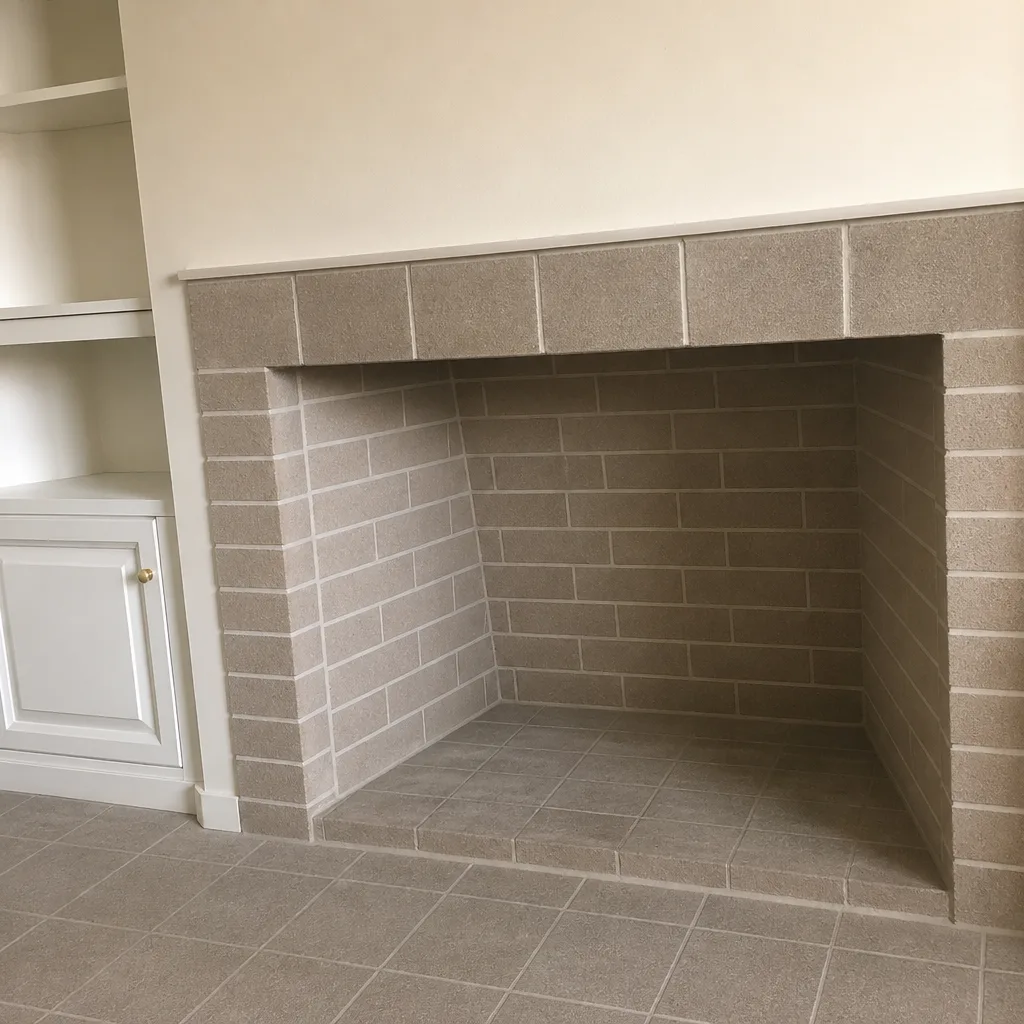
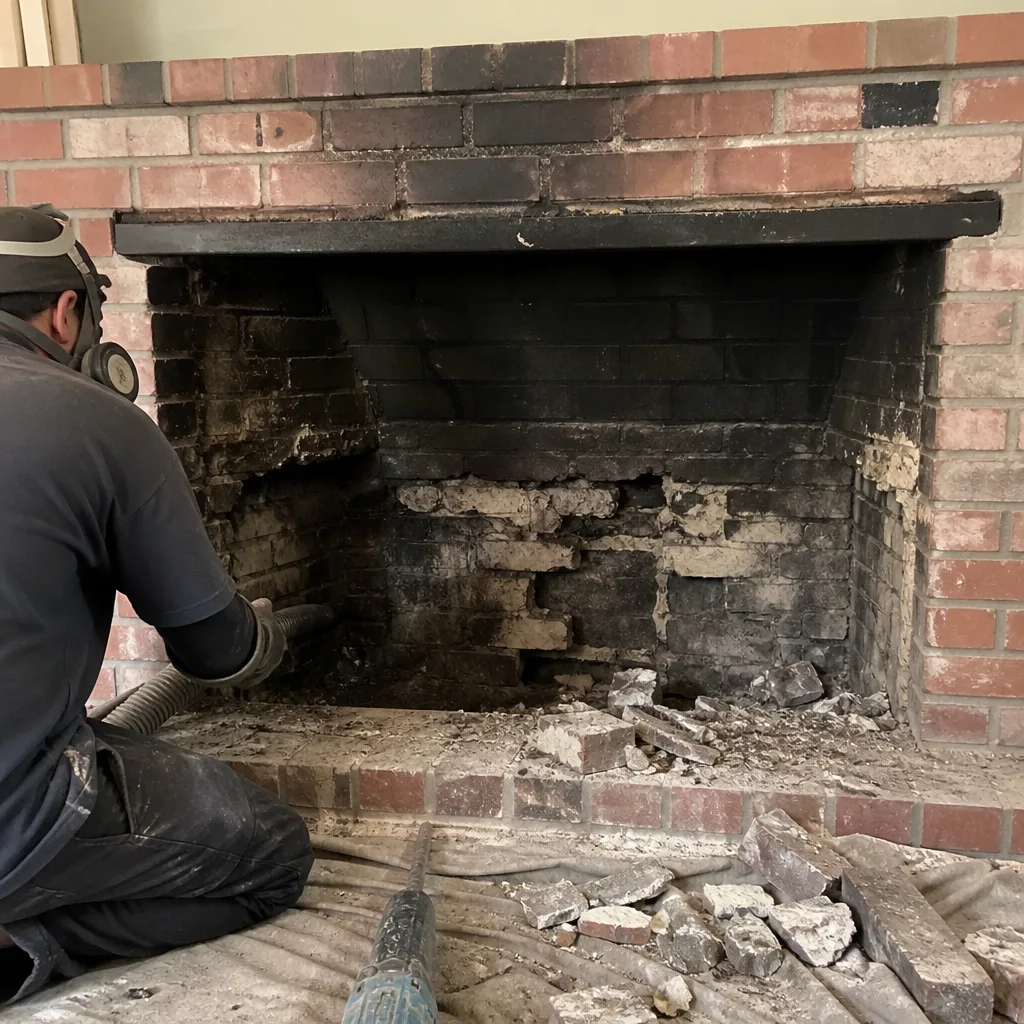
See the difference
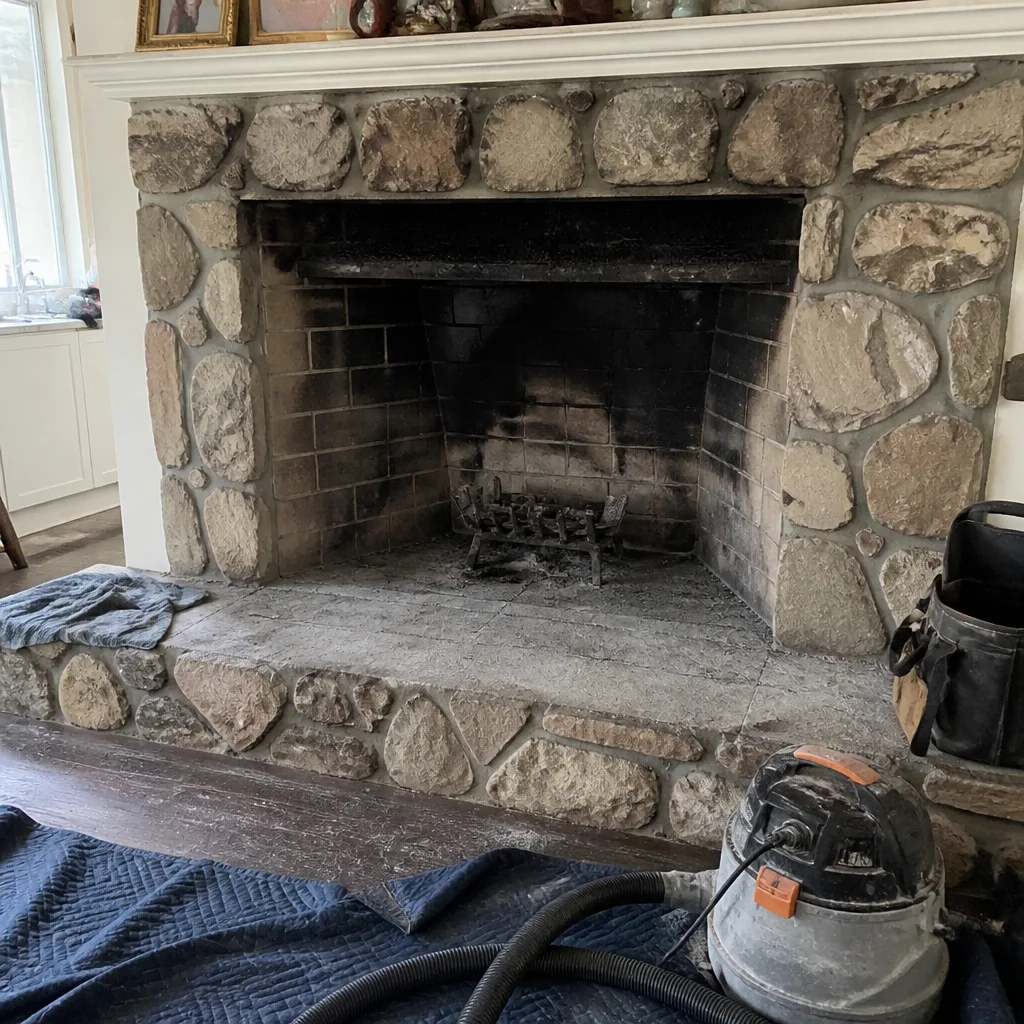 Before
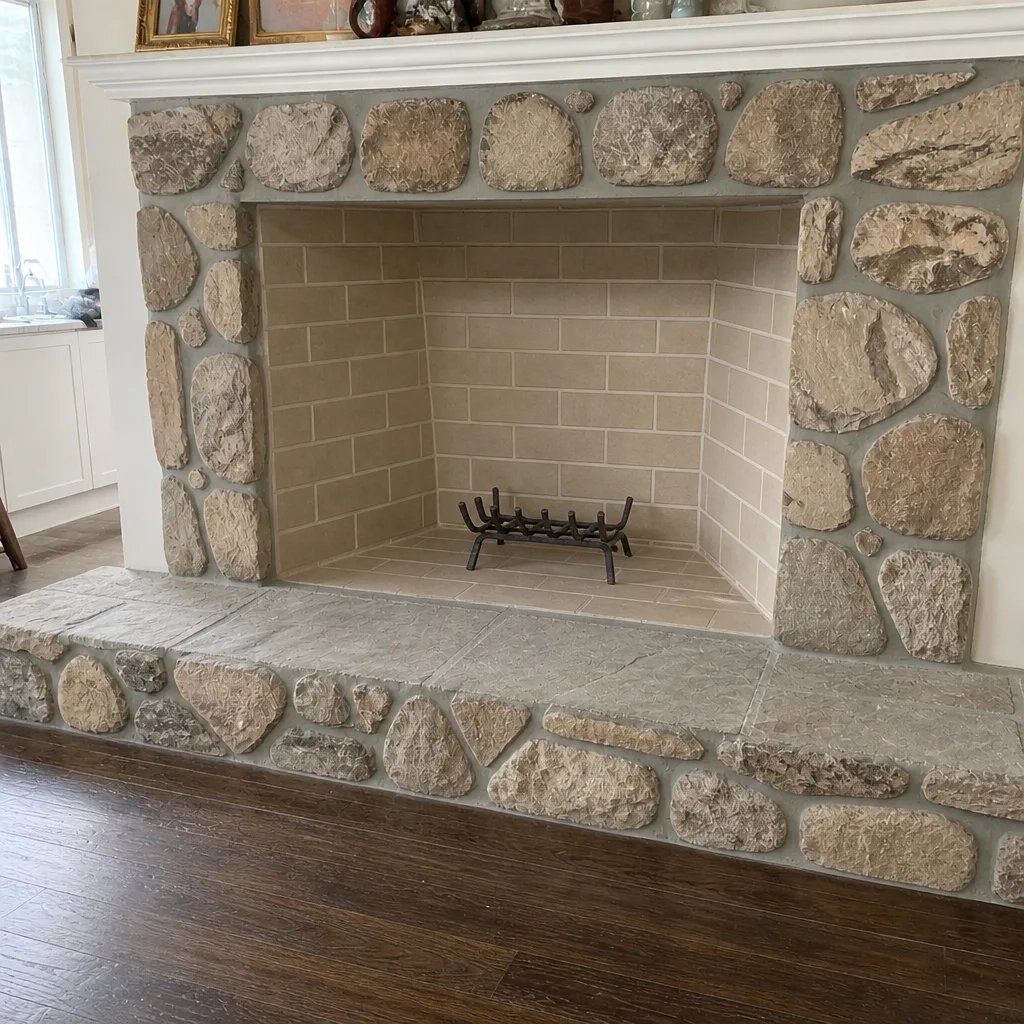 After
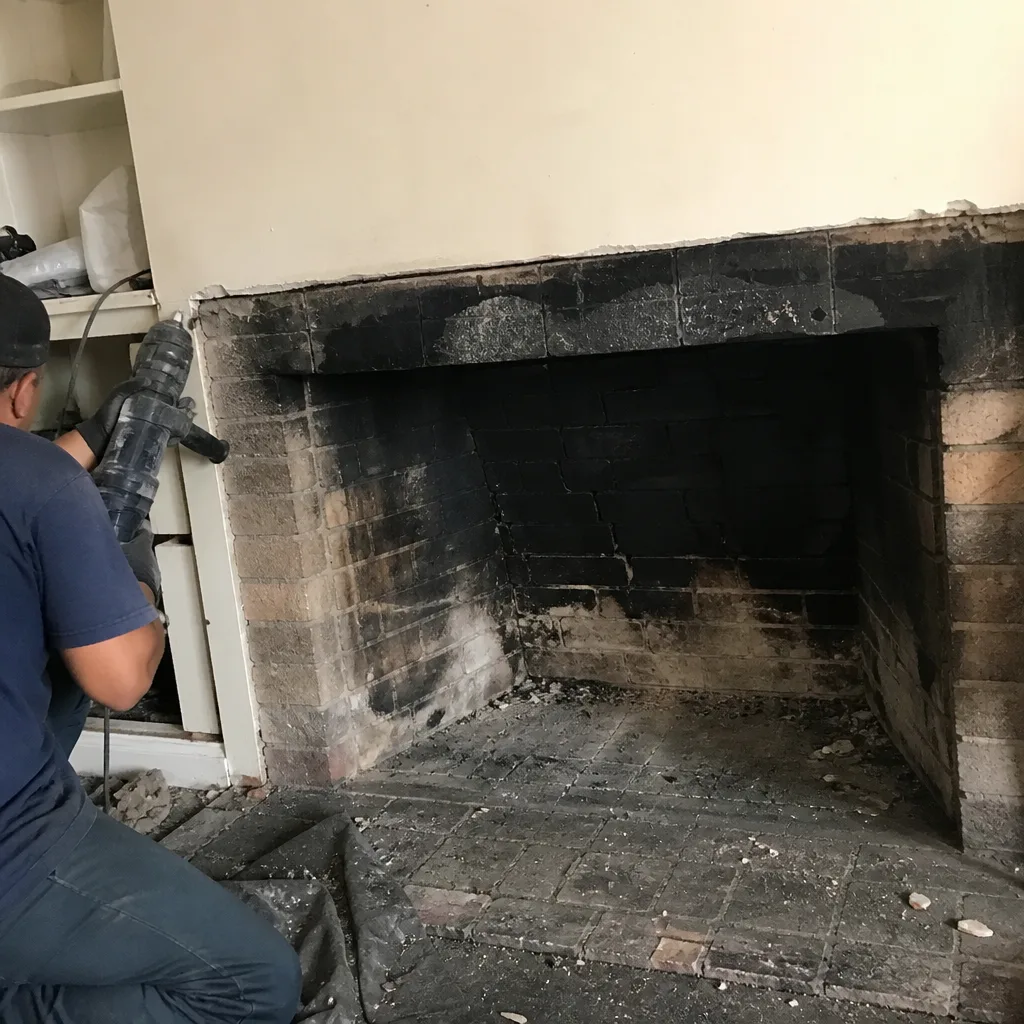 Before
 After
 Before
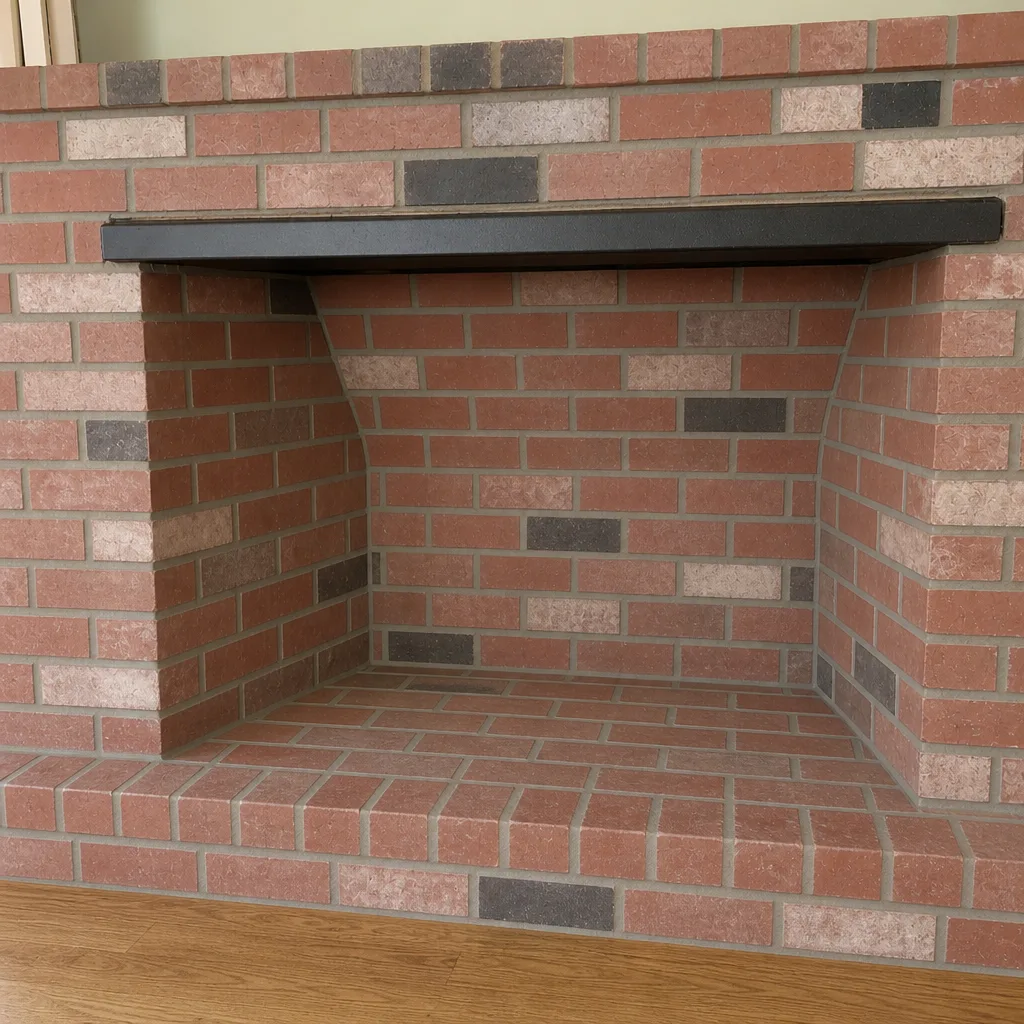 After