
Last updated November 25, 2026
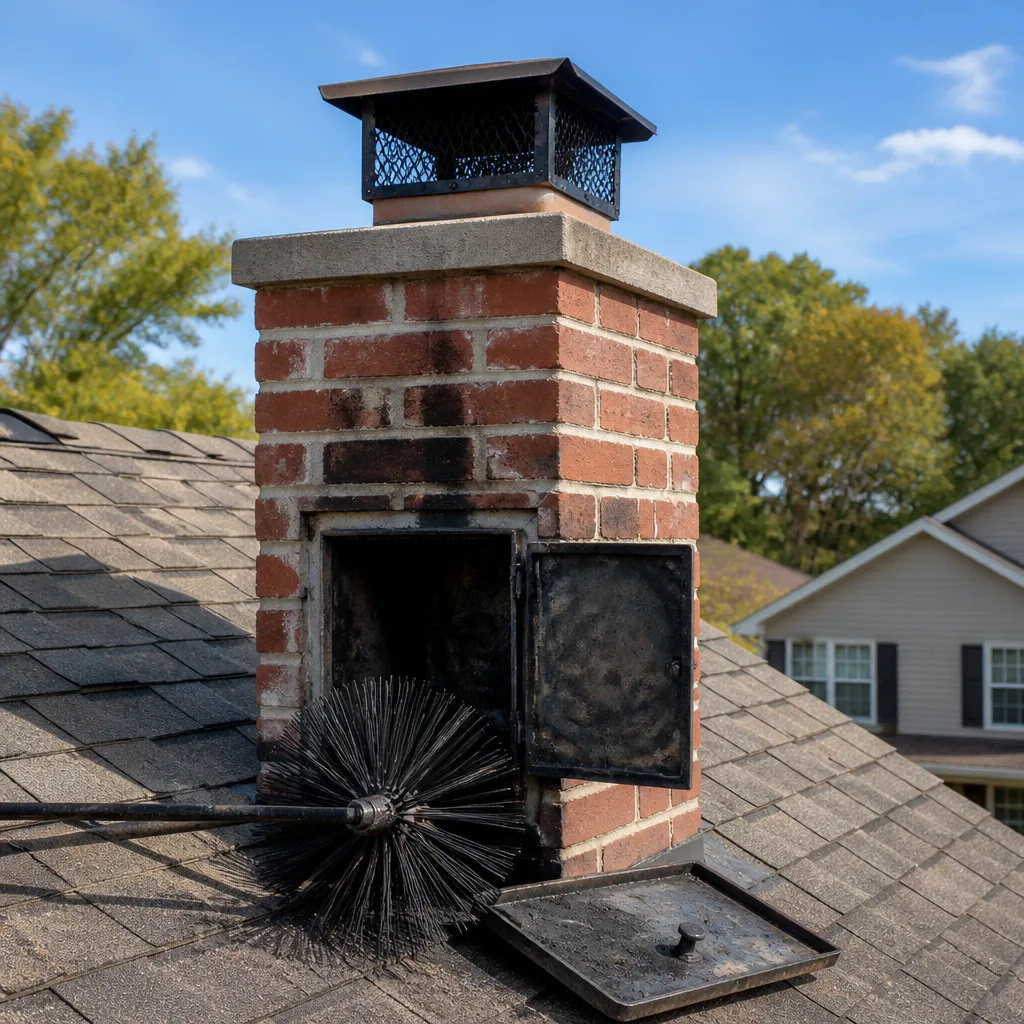 Sweep & inspection
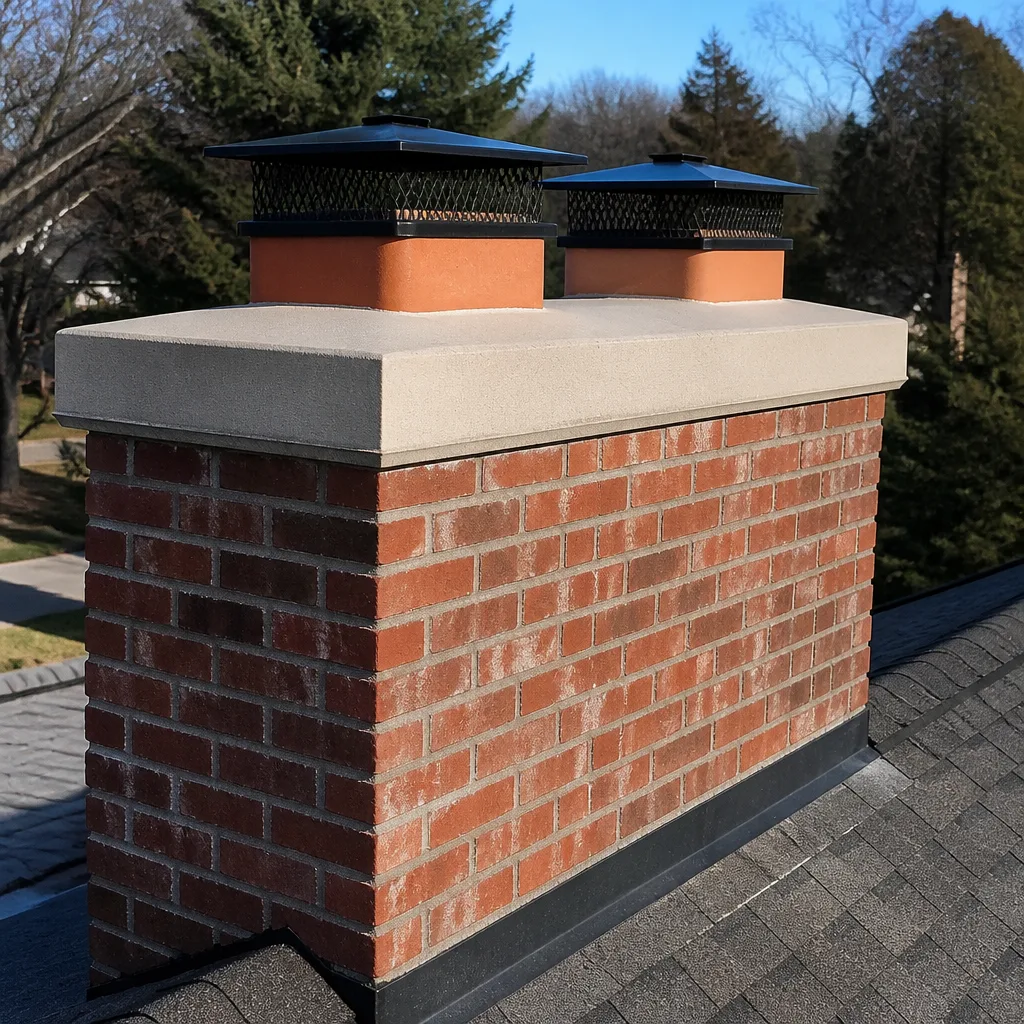 Caps & crowns
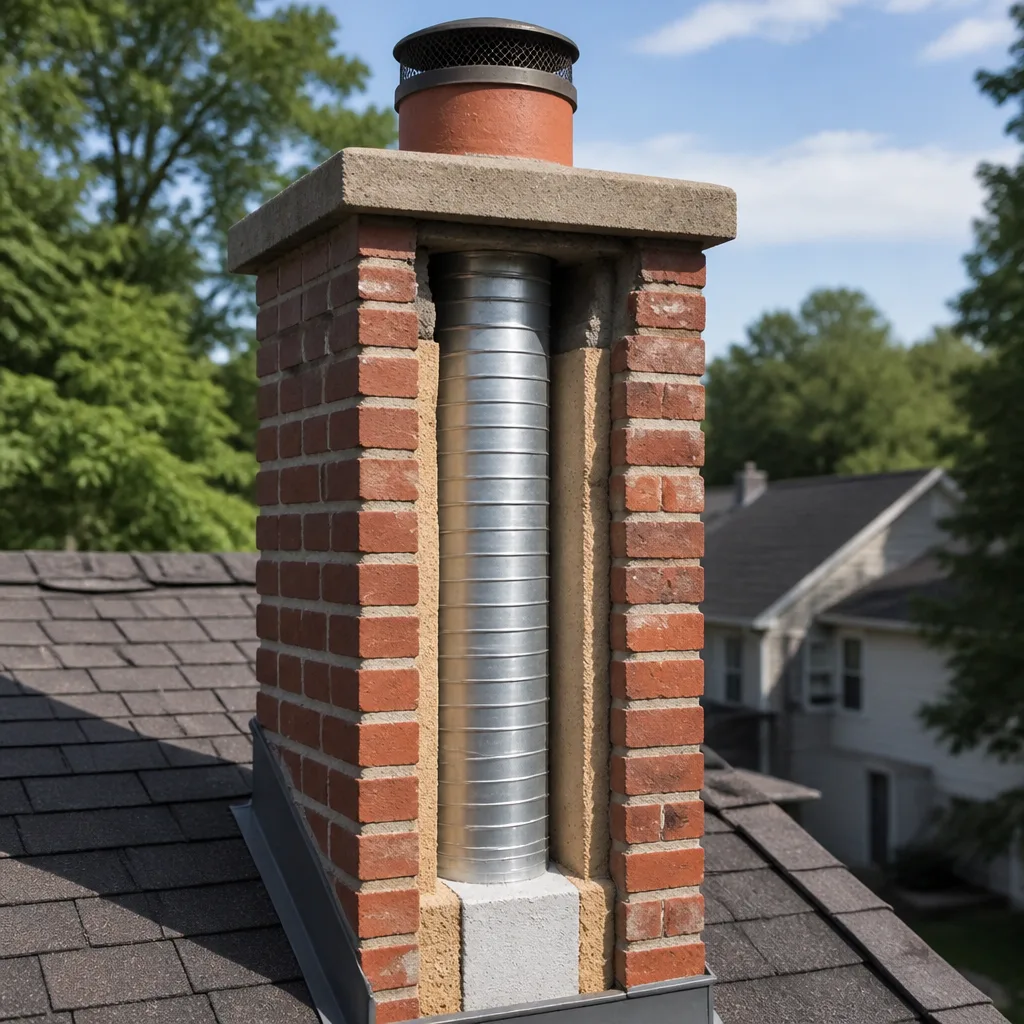 Flue relining
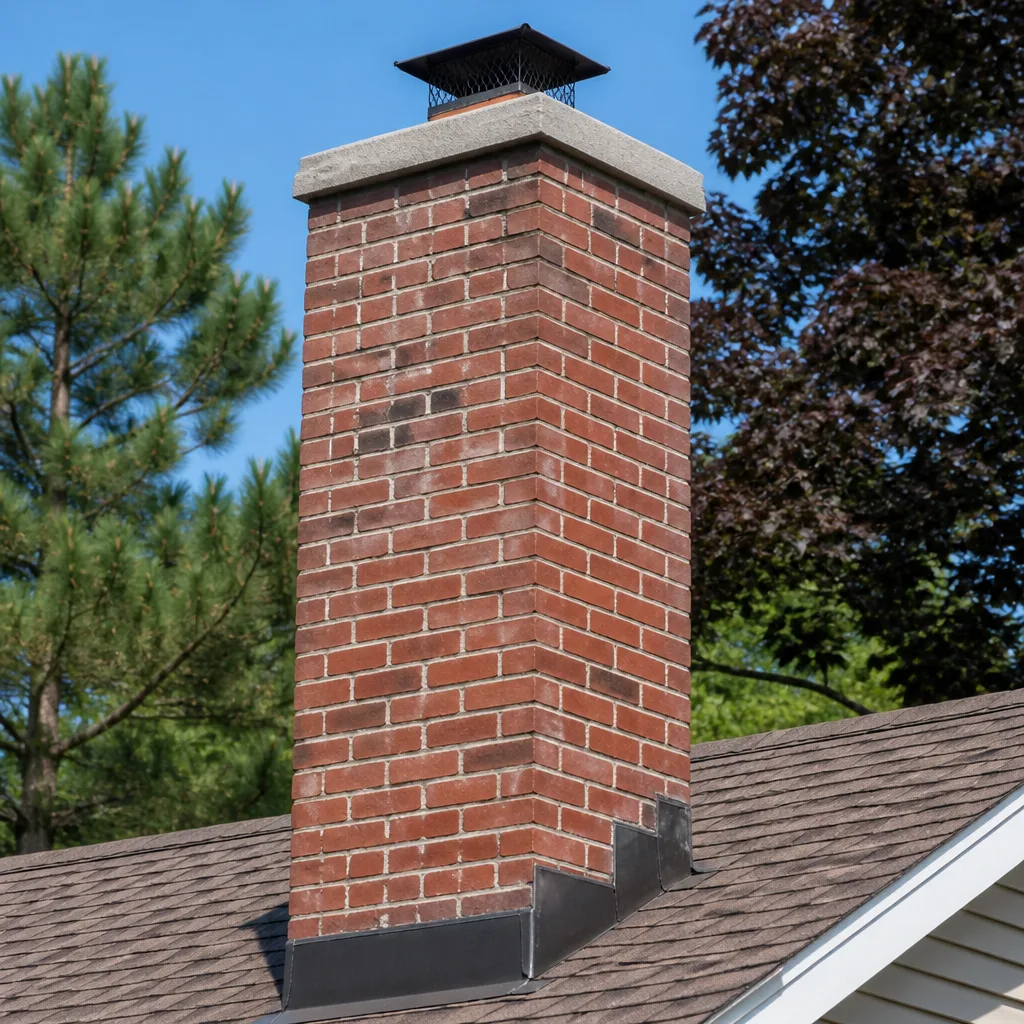 Masonry repair
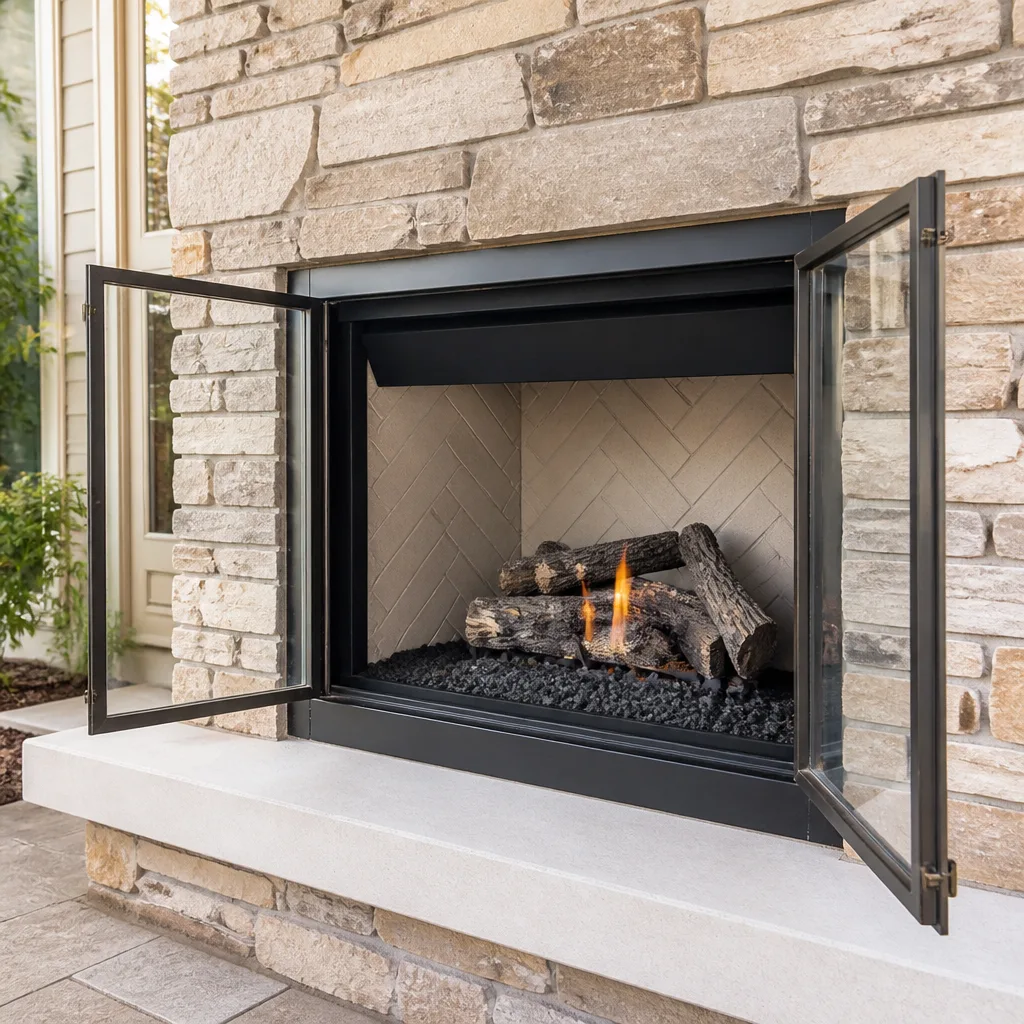 Gas fireplace service
Level 1 sweep and inspection to the NFPA 211 annual standard - flue, crown, cap, and flashing checked and photographed
Chimney sweep logs do not sweep chimneys. They loosen some creosote - which then falls where a brush and vacuum still have to collect it.
The Complete Guide to Chimney Cleaning in Fullerton
Most homeowners in Fullerton think they’ve had a chimney cleaning because someone ran a brush up the flue. Here’s what we see again and again: a Level 1 inspection and a cleaning are two different things, and most people who believe they got both only got one. When the firebox still smells after a visit, or when nobody showed you a photo of the flue before and after, that’s the tell. This guide isn’t about how often to schedule a sweep. It’s about knowing exactly what a thorough cleaning involves so you can tell whether the company you hired actually did the job. We’ll walk through the whole system, what Fullerton’s mild climate does to creosote, and what to expect before, during, and after a real cleaning.
Quick Answer
A complete chimney cleaning in Fullerton covers the firebox, smoke chamber, smoke shelf, damper, and the full length of the flue liner, plus a visual safety inspection at the level the situation calls for. It is not just a brush down the flue, and it is not the same thing as an inspection. If a company sweeps without telling you what they found, or inspects without cleaning first, you didn’t get the full service. Know the difference before you book.
Styles & brands we work with
- Sweep & inspection
- Caps & crowns
- Flue relining
- Masonry repair
- Gas fireplace service
Table of Contents
- What a Complete Chimney Cleaning Actually Includes
- Why Fullerton’s Mild Climate Creates a False Sense of Safety
- Inspection Levels: Why Level 1 Isn’t Enough After a Home Purchase or Earthquake
- What to Expect Before, During, and After a Professional Cleaning
- Why Fullerton’s Older Housing Stock Has Specific Chimney Vulnerabilities
- Creosote, Glazed Creosote, and What Actually Burns in a Chimney
- How Much Does a Chimney Cleaning Cost in Fullerton?
- How to Tell a Real Chimney Sweep from a Low-Bid Job
What a Complete Chimney Cleaning Actually Includes
A complete chimney cleaning works from the firebox up to the chimney cap, and from the roof down if the flue design calls for it. That order matters. The firebox is where the soot falls, the smoke chamber is where creosote collects in angles a straight brush can’t reach, and the flue liner is where most of the dangerous buildup lives. A sweep who only brushes the flue and vacuums the hearth has done maybe half the job.
Here’s what a full cleaning covers, in order:
- Firebox: All ash and debris removed, walls and grates checked for cracks, damper tested.
- Smoke shelf and smoke chamber: The sloped area above the damper is where creosote accumulates and where cheap sweeps skip. It gets scraped and vacuumed by hand.
- Damper: Checked for smooth operation and proper seal when closed.
- Flue liner: Brushed the full length with the correct brush for the liner type, whether that’s masonry tile or a stainless liner system.
- Chimney cap and crown: Checked from the roof for cracks, spalling, and cap condition. This is where water intrusion starts.
- Final vacuum: A HEPA vacuum running the whole time so nothing escapes into your home.
The common skipped steps? The smoke chamber, the damper inspection, and the cap evaluation. Those three are also where most of the real problems live. If your sweep stayed on the ground and never went to the roof, ask why. Many Fullerton homes with masonry chimneys have smoke chambers that need hands-on attention no matter how clean the flue looks.
If your fireplace needs repair beyond cleaning, we handle fireplace repair as part of the same visit – no handoff to another contractor.
Why Fullerton’s Mild Climate Creates a False Sense of Safety
Fullerton winters are mild. Nobody here burns wood for warmth the way people do in colder parts of the country, and that easy climate convinces a lot of homeowners their chimney doesn’t need much attention. The opposite is true. Light, occasional use is exactly how glazed creosote forms.
Creosote starts as a soft, flaky deposit and hardens into a shiny, tar-like glaze when fires burn cool or smolder. Short fires on mild evenings, damp wood, and a flue that never fully heats up all push creosote toward that glazed stage. A chimney that’s used a dozen times a season can build up glazed creosote that a standard brush won’t remove. It’s the glaze that’s the fire risk, and it’s the glaze a lot of low-bid sweeps leave in place because removing it takes more time and different tools.
Our region also has a dry season that stretches for months. During those months, a chimney with a failed cap or a cracked crown lets in dust, debris, and the occasional bird or squirrel. When the first cool evening arrives and someone lights a fire, all that material goes up with it.
- Light use still builds creosote. Cool burns and damp wood make it worse.
- Months of disuse let debris and pests settle in an open flue.
- Spring and early summer are ideal months to clean before the burn season starts.
- Glazed creosote can’t be brushed away – it needs scraping or a proper chemical treatment, and sometimes liner work.
A yearly look at the flue in Fullerton, even with modest use, keeps you ahead of the problem rather than catching up to it.
Inspection Levels: Why Level 1 Isn’t Enough After a Home Purchase or Earthquake
Chimney inspections follow defined levels under the NFPA 211 standard, and they are not interchangeable. A Level 1 inspection is a visual check of the readily accessible parts of the chimney with the fire in place or the appliance connected. It’s the right call for a chimney you’ve been using and maintaining. It is not enough after a home purchase, after a chimney fire, after an earthquake, or when you switch fuels.
A Level 2 inspection includes everything in Level 1 plus access to areas that are normally hidden, which usually means a camera run through the flue to see the liner from the inside. That camera run is what tells you whether the tile liner is cracked, whether a joint has shifted, or whether there’s buildup you can’t see from the firebox.
A Level 3 inspection goes further and opens up concealed construction when a Level 2 has raised a specific question. Most homeowners never need one, but the recommendation to move to a Level 3 usually comes with a reason.
For a newly purchased home in Fullerton, especially one built before 1980, a Level 2 should be standard practice. You don’t know how the previous owner burned, what they burned, or when the chimney was last touched. A chimney that passed a Level 1 doesn’t tell you what’s inside the flue. And after any earthquake that’s noticeable in the area, a Level 2 is the sensible check – masonry chimneys are heavy assemblies, and a shift at the liner or the crown is not something you can see from the firebox.
The inspection is the part that turns a cleaning into useful information. A real one covers safety, structure, and clearances, and comes with a written record of what was found. If you don’t get that, you didn’t get an inspection.
What to Expect Before, During, and After a Professional Cleaning
The best cleaning visit feels almost uneventful. That’s the point. A prepared technician brings drop cloths, a vacuum running from the moment they arrive, and the right brush for your flue type. What you’ll notice most is the smell – or rather, the absence of one.
Before the visit, expect to be asked a few questions: when the chimney was last cleaned, what you burn, whether you’ve noticed smoke coming back into the room, and whether anything about the fireplace feels off. Clear any ash your last fire left, and don’t burn for a day before the appointment if you can help it – cooler flues clean more thoroughly.
During the visit, the technician lays drop cloths, runs a HEPA vacuum, and works through the system from the firebox up. Most cleanings take a little over an hour for a standard chimney. The smoke chamber and flue get brushed, the cap and crown get checked, and the technician will usually bring a camera out at some point if the inspection level calls for it. None of this should feel rushed, and none of it should feel like a sales pitch.
After the visit, a clean firebox looks swept clear with no ash in the corners, and a clean flue smells like nothing or faintly like clean soot – not like tar or heavy campfire. You should also get a written report of what was found, with photos if any issue was flagged. If something needs attention, you should be able to see the reason for yourself. That’s the part most people never get, and it’s the part that matters.
If your system needs structural work, we cover chimney repair in the same visit – from crown work to liner restoration.
Why Fullerton’s Older Housing Stock Has Specific Chimney Vulnerabilities
A good chunk of Fullerton’s homes were built before 1980, which means a good chunk of the chimneys here are old masonry. That difference matters more than most generic chimney guides admit.
Pre-1980 masonry chimneys share a few common issues. The original clay tile liners were often installed without the joint seals and clearances we’d require today. Mortar joints between the tiles degrade over decades of heating and cooling, and a shifted joint is where hot gases escape into the structure. The crown – the concrete top that sheds water away from the flue – cracks as it ages, and once it does, water gets into the masonry, freezes (even on a cool night in our area) and starts to spall the brick from the inside. Caps were often never installed at all, leaving the flue open to the weather and to animals.
None of these problems announce themselves. They show up as a stain on the ceiling near the chimney, a smoky smell after rain, or a small pile of brick dust on the hearth. What makes them manageable is catching them early, when the fix is crown work and a proper cap rather than a full liner replacement.
This is the kind of problem that lives above the roofline, which is why cap and crown work belongs in a cleaning visit. We install chimney caps and crowns using products from Gelco and Famco, engineered specifically for chimney weather protection. Getting the top of the chimney right is the single most effective thing you can do to keep water damage from starting in the first place.
If the liner itself is genuinely deteriorated, our answer is HeatShield, the industry-standard ceramic resurfacing system, or a full DuraFlex stainless liner when the tile is beyond resurfacing. Those are not off-the-shelf fixes – they’re specified for the job, and specified by name.
If you’re inheriting an unknown chimney history in a home you’ve just bought, start with a proper inspection. That single visit tells you exactly where things stand.
Creosote, Glazed Creosote, and What Actually Burns in a Chimney
Creosote is the condensed byproduct of burning wood, and it comes in three forms: soft and flaky, sticky and crusted, or glazed and hard. Which one you have determines how it gets removed and whether a standard brush will do it.
Soft creosote brushes off with normal sweeping. Sticky creosote needs scraping. Glazed creosote is essentially a hard, tar-like shell bonded to the liner, and it takes mechanical scraping or a chemical treatment formulated for the purpose. A brush alone will skate over the top of it.
What burns in a chimney fire isn’t the fire you lit. It’s the creosote lining the flue. That’s why the real risk in a chimney isn’t the visible fire in the firebox – it’s the undetected buildup above it. A restricted or blocked flue also pushes carbon monoxide back into the home instead of up and out. Those two risks are the whole reason cleaning exists.
In our experience across Fullerton, the chimneys that surprise people most are the ones with a modest burn count but a habit of cool, damp, smoky fires. Those fires make the most creosote per log. Burning seasoned wood, keeping the flue warm during a burn, and scheduling a cleaning before the burn season all help keep buildup to the manageable kind.
If the sweep comes down and tells you there’s glazed creosote, ask to see it. A camera photo of the liner is the only verification. If you can’t see it, don’t act on it.
How Much Does a Chimney Cleaning Cost in Fullerton?
A standard chimney cleaning in Fullerton typically falls in the $150 to $300 range for a straightforward single-flue system. The estimate is set per job, and the written quote you get before booking is what you’ll pay – not a number that climbs on the day. Additions like a camera inspection, a liner evaluation, or cap and crown work are quoted separately.
Here’s a general picture of how typical pricing breaks down:
- Standard cleaning, one flue: $150-$300, depending on accessibility and buildup
- Cleaning plus Level 2 camera inspection: $250-$450 typical
- Glazed creosote removal: quoted per job after the inspection
- Chimney cap installation: quoted per job
- Chimney crown repair or rebuild: quoted per job
- Liner restoration (HeatShield) or relining (DuraFlex): quoted per job
Those ranges reflect the general market. Your exact number depends on the condition of your chimney, its height, and what the inspection finds. We don’t run fee-for-service pricing – no trip charge, no diagnostic fee, no “credited toward the repair” line item. The written estimate is the price, and we state it before booking.
Two things to watch for. First, a cleaning quote far below the range is usually a brush-and-go visit that skips the smoke chamber. Second, a quote that recommends liner replacement before anyone ran a camera. Neither is pricing – both are a sign to ask questions. A chimney inspection tells you exactly where things stand. No guesswork, no upsell pressure. Just the photo evidence, and a clear note when work can safely wait.
How to Tell a Real Chimney Sweep from a Low-Bid Job
Every chimney sweep in Fullerton claims to be thorough. The difference is in what’s on the invoice. Before you book anyone, ask these questions and expect direct answers:
- What’s included in the cleaning? A real answer names the firebox, smoke chamber, smoke shelf, damper, flue liner, and cap – in that order.
- Will you go on the roof? A thorough cleaning and cap inspection usually require it.
- What inspection level do you recommend, and why? For a newly purchased home or one that hasn’t been looked at in years, Level 2 is the standard.
- Can I see photos of anything you find? Camera evidence or it didn’t happen.
- What’s the written estimate? A number before booking, not after.
- What happens if the liner is cracked? A chimney specialist should describe the actual repair path, not hand you off to another contractor.
- Are you chimney-only? A chimney specialist trains every technician on chimney systems. A generalist doesn’t.
Our technicians have up to 14 years of experience, and every job includes the camera inspection and photo report. That’s what separates a cleaning from a sales visit. We work on the whole chimney system, not just the part you can see – which is why a single sweep visit can also cover a liner restoration, a cap replacement, or a HeatShield resurfacing all in one booking when the findings call for it.
For the standard service behind all of this, see how we handle a chimney sweep. If you’re ready to understand the full picture of what we do, our home page is at Fullerton Chimney Sweep.
Common Mistakes to Avoid
- Treating a cleaning as an inspection. They’re two services with different outcomes. A sweep keeps the chimney clear; an inspection tells you whether it’s safe. Book both.
- Accepting a Level 1 after buying a home. A home purchase or an earthquake calls for Level 2. A quick visual check leaves the liner unexamined exactly when it matters most.
- Skipping a cleaning because the fire wasn’t used much. Light, cool fires make glazed creosote. The build-up that surprises Fullerton homeowners most often comes from cold, damp, occasional burns.
- Letting a crack in the crown go another year. A small crown crack lets water into the masonry. That’s where most water damage begins, and it always gets worse before it gets better.
- Signing off on liner replacement without a camera photo. If the recommendation doesn’t come with evidence you can see, don’t treat it as fact.
- Hiring a generalist for a chimney problem. Chimney systems have specific clearances, liner materials, and cap geometry. A handyman with a brush misses the parts that cause chimney fires.
- Trusting a price that was quoted before anyone went on the roof. The written estimate comes after the technician has looked at the system. A number given over the phone before that is a guess.
See the difference
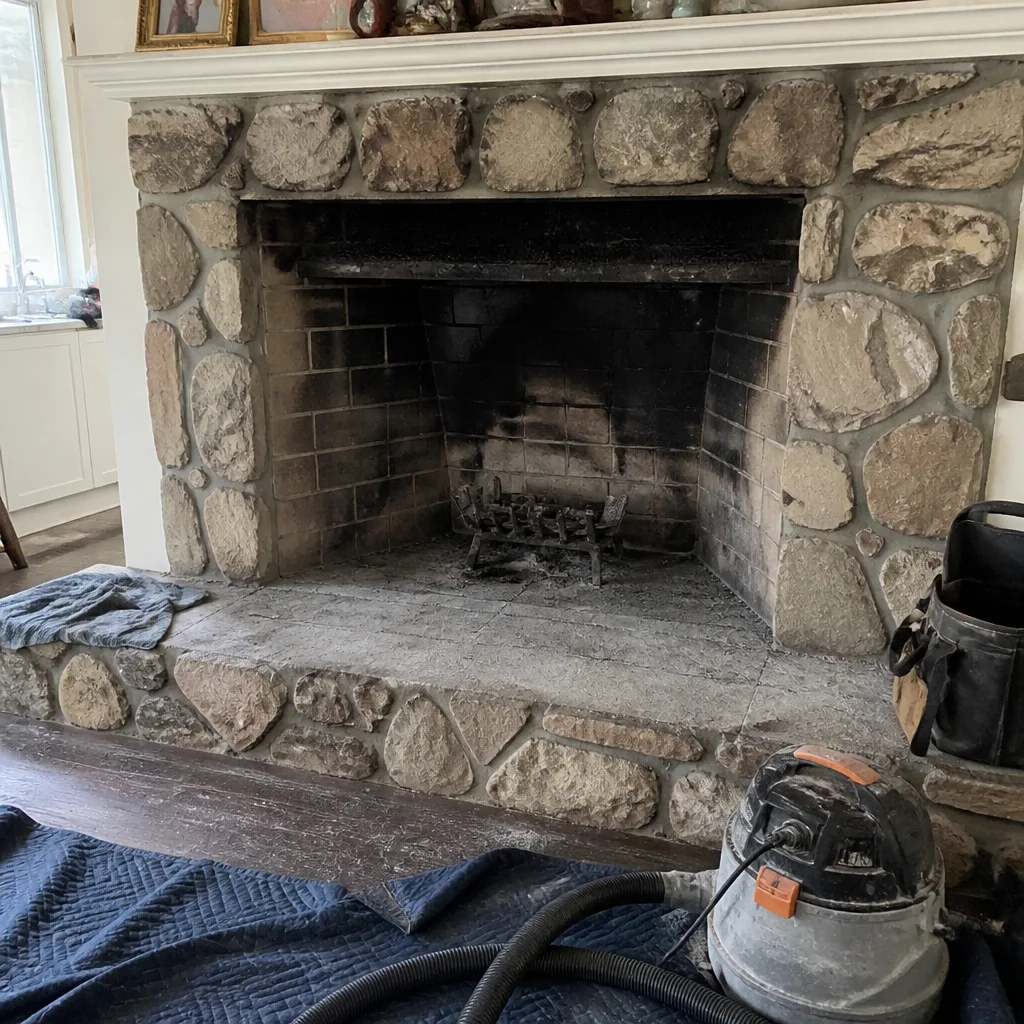 Before
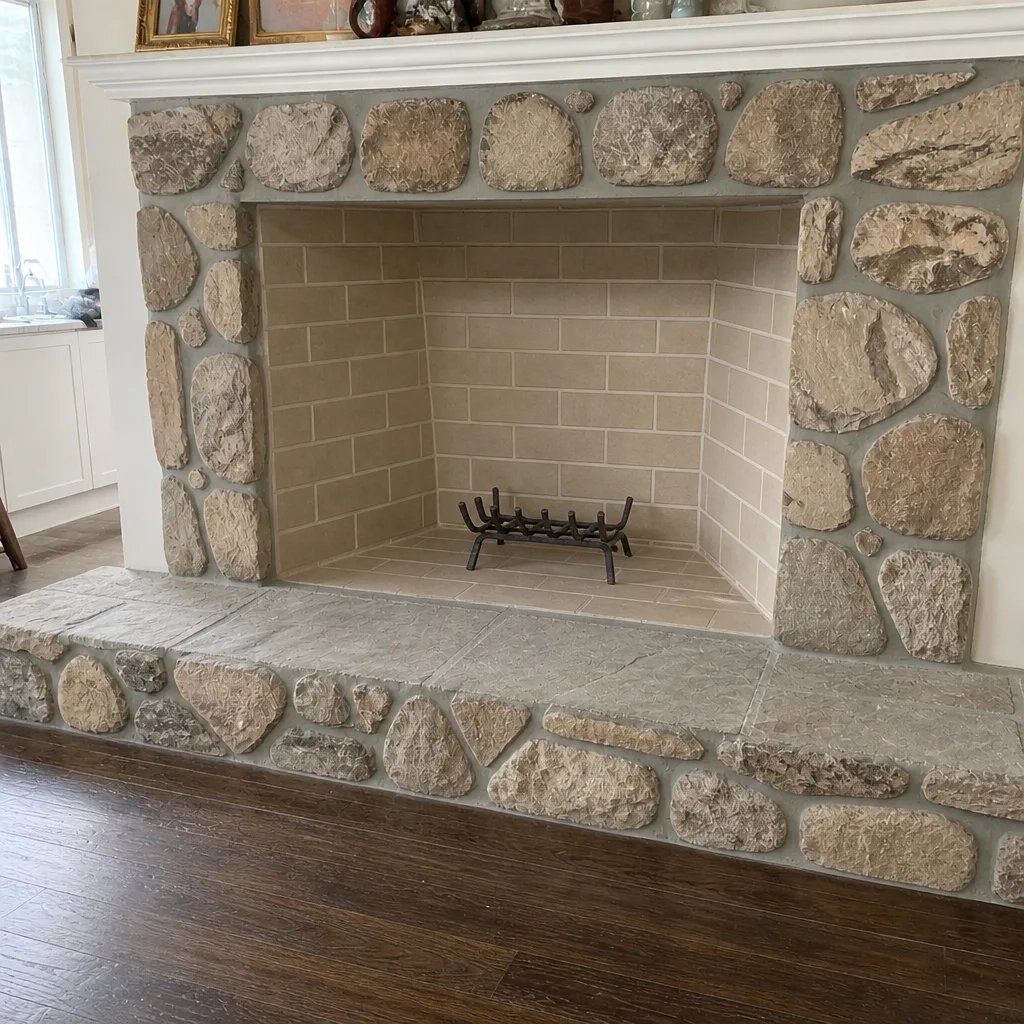 After
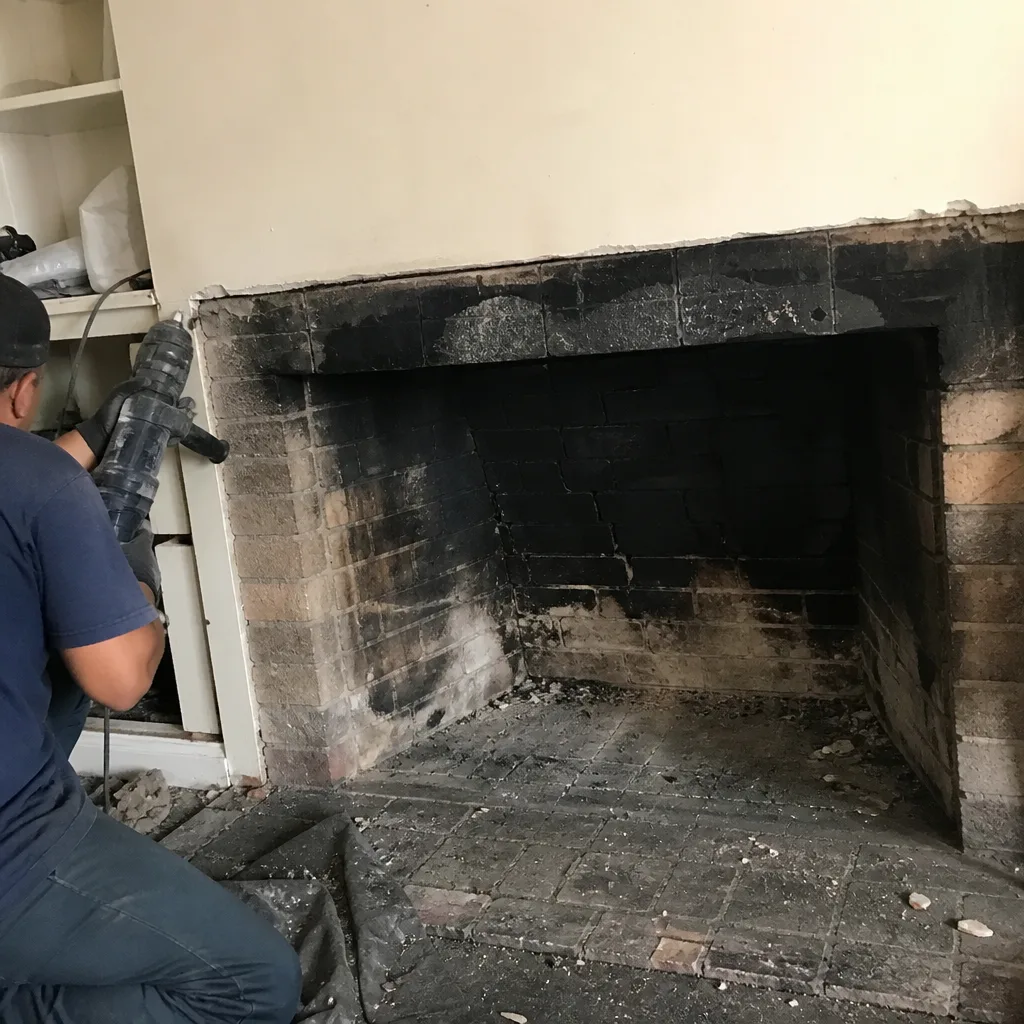 Before
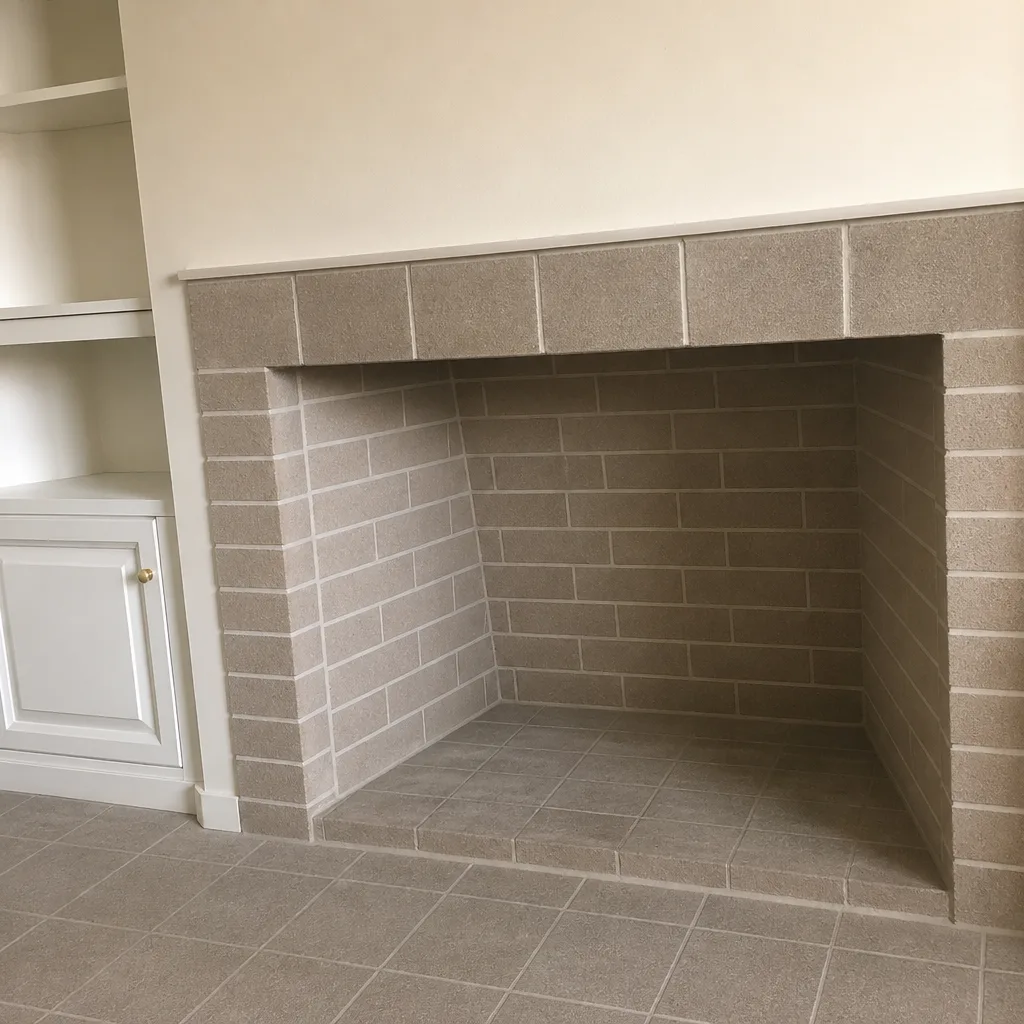 After
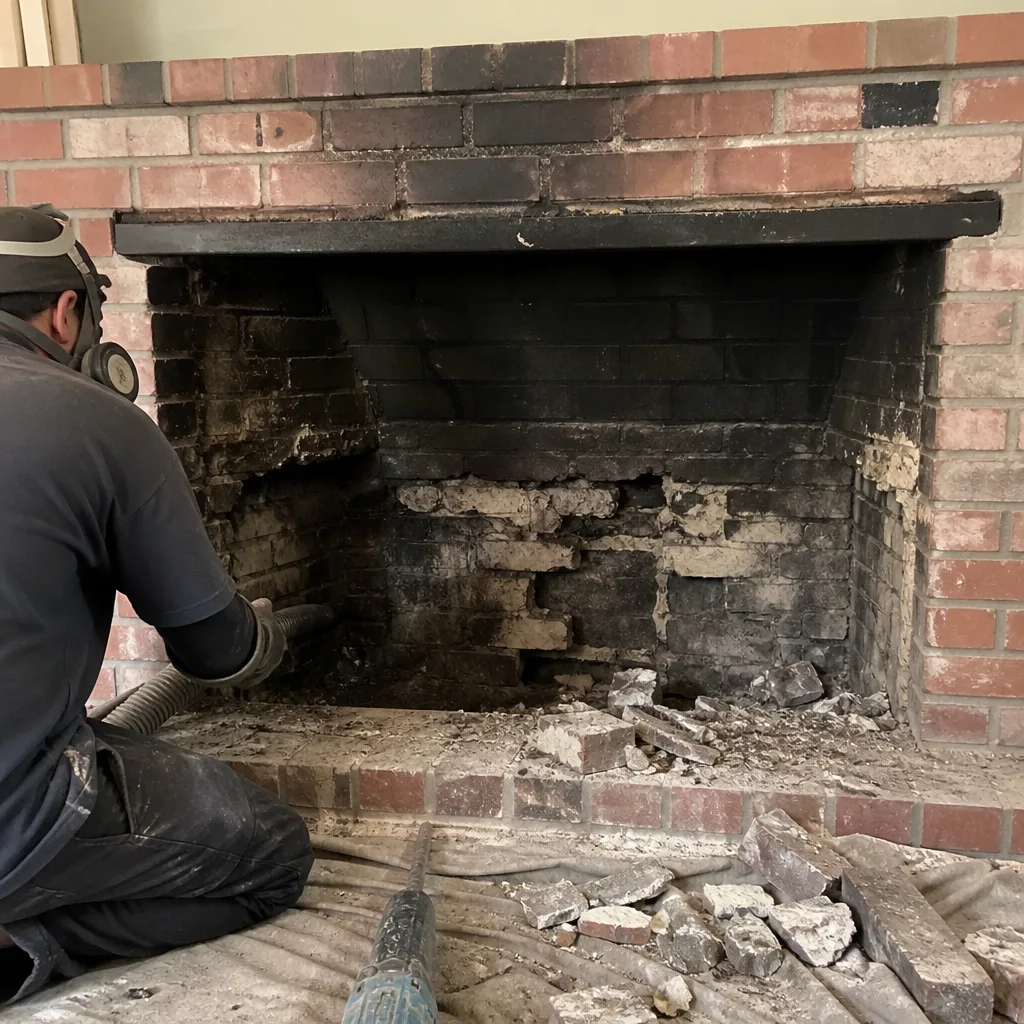 Before
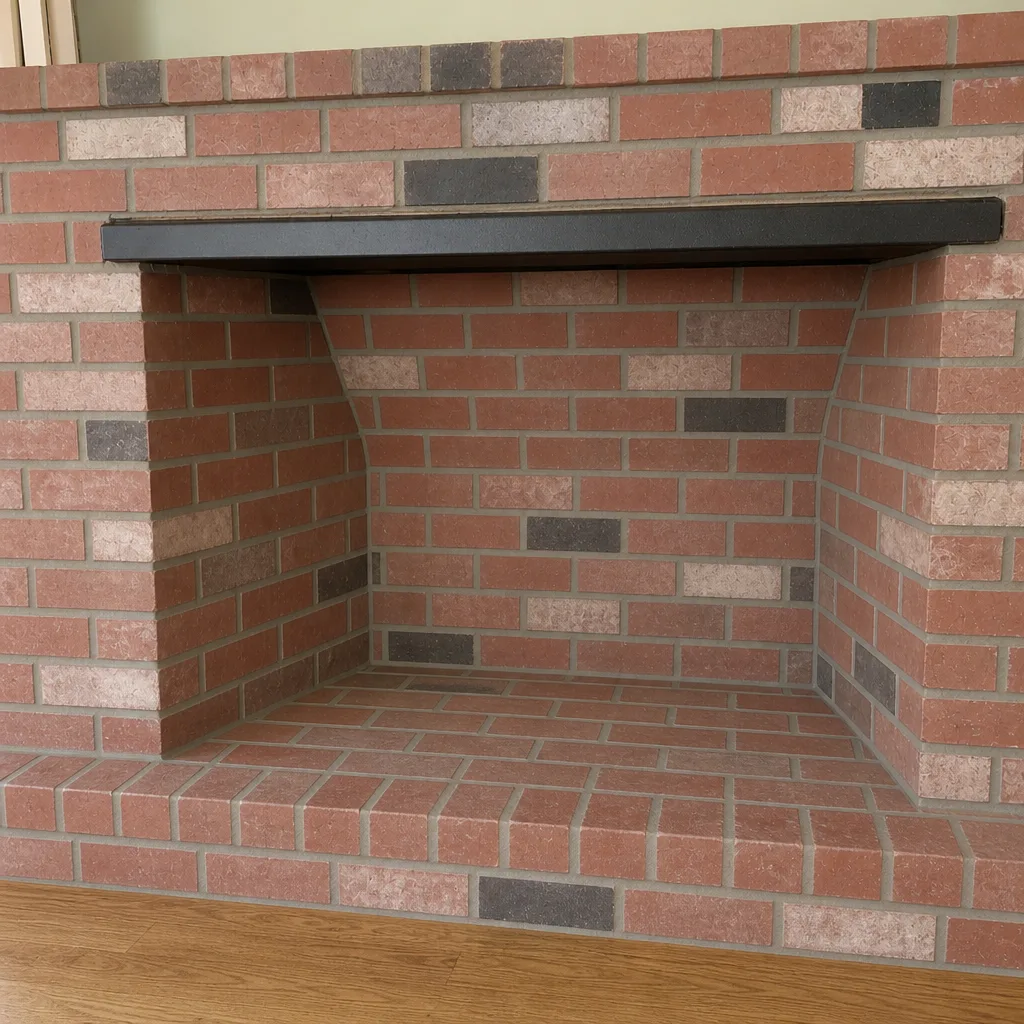 After
When to Call a Professional
Call a chimney professional if you’ve recently bought a home in Fullerton and don’t know the chimney’s history, if it’s been more than a year since the last cleaning, or if the fireplace has been sitting idle through a long dry season. Call if you notice a smoky smell after rain, a stain on the ceiling near the chimney, brick dust on the hearth, or smoke backing up into the room. Call after any chimney fire, even a small one, and after any noticeable earthquake. Call if you’re switching fuels or adding a new appliance to an existing flue. And call if an inspector or insurer has told you work is needed and you want a second look before committing to the price. Fullerton Chimney Sweep offers free estimates in Fullerton. Call (833) 508-9170. We answer 24/7. Fast dispatch from 7am to 7pm, Sunday through Friday.
Frequently Asked Questions
A standard chimney cleaning in Fullerton typically runs $150 to $300, and the written estimate you receive before booking sets the final price. Cleaning plus a Level 2 camera inspection usually adds $250 to $450 to the total, quoted as part of the same visit. Call (833) 508-9170 for an exact quote – estimates are free.
No, they’re different services, and that difference is the single most common misunderstanding we see. A cleaning physically removes soot and creosote from the firebox, smoke chamber, and flue. An inspection evaluates the chimney’s safety, structure, and clearances at a defined level – Level 1, 2, or 3 under NFPA 211 – and produces a written record of what’s found. You should get both, and you should be told which level applies. Call (833) 508-9170 to book a visit that includes both.
The general rule is once a year for any chimney that’s actively used, even lightly, and that applies in Fullerton’s mild climate as much as anywhere. A light-use chimney with a habit of cool, smoky fires can build glazed creosote faster than a heavily used one burning seasoned wood. If you’ve switched fuels, moved into a new home, or noticed anything off about how the fireplace performs, get it looked at sooner than the annual mark. Call (833) 508-9170 for an exact quote on your system.
Yes, a Level 2 inspection is the standard recommendation after a home purchase, because you don’t know how the previous owner used or maintained the chimney. Level 1 only covers the readily accessible parts with the fire in place – it won’t reveal a cracked tile liner or a shifted joint inside the flue. Level 2 includes a camera run through the liner and covers the areas that are normally hidden. The same applies after any noticeable earthquake. Call (833) 508-9170 to schedule one – estimates are free.
Creosote keeps accumulating, and it hardens as it builds. Soft flaky buildup turns into sticky crust and eventually into a glazed shell that a standard brush can’t touch. At that point, two risks grow: a chimney fire igniting the creosote in the flue, and carbon monoxide backing up into the home when the flue is restricted. Separately, an uncapped or cracked crown lets water into the masonry, which spalls the brick and loosens the mortar from the inside. None of this announces itself early, which is exactly why a yearly look matters. Call (833) 508-9170 for an exact quote and a photo report of what we find.
A clean firebox has swept-clear walls, no ash in the corners, and a smooth-operating damper. A clean flue smells like nothing, or faintly of clean soot – not like tar or a heavy campfire. If your firebox still smells smoky after a cleaning, or if the technician didn’t show you photos of the flue before and after, the cleaning didn’t include the smoke chamber. Call (833) 508-9170. We answer 24/7. A call outside dispatch hours is booked into the next opening, Sunday through Friday, 7am to 7pm.
The Bottom Line
A complete chimney cleaning is a known sequence of steps, not a brush down the flue. From the firebox through the smoke chamber and the full length of the liner, plus the cap and crown check that prevents most water damage, the visit should be thorough, documented, and free of guesswork. Fullerton’s mild climate is no excuse for skipping it, and the older masonry chimneys in town benefit from proper cap and crown attention year after year. The written estimate is the price. The camera photos are the proof. Anything else is a checkbox. Fullerton Chimney Sweep is here when you’re ready to book – call (833) 508-9170. We answer 24/7. Fast dispatch from 7am to 7pm, Sunday through Friday.
Written by the team at Fullerton Chimney Sweep.