
Last updated November 25, 2026
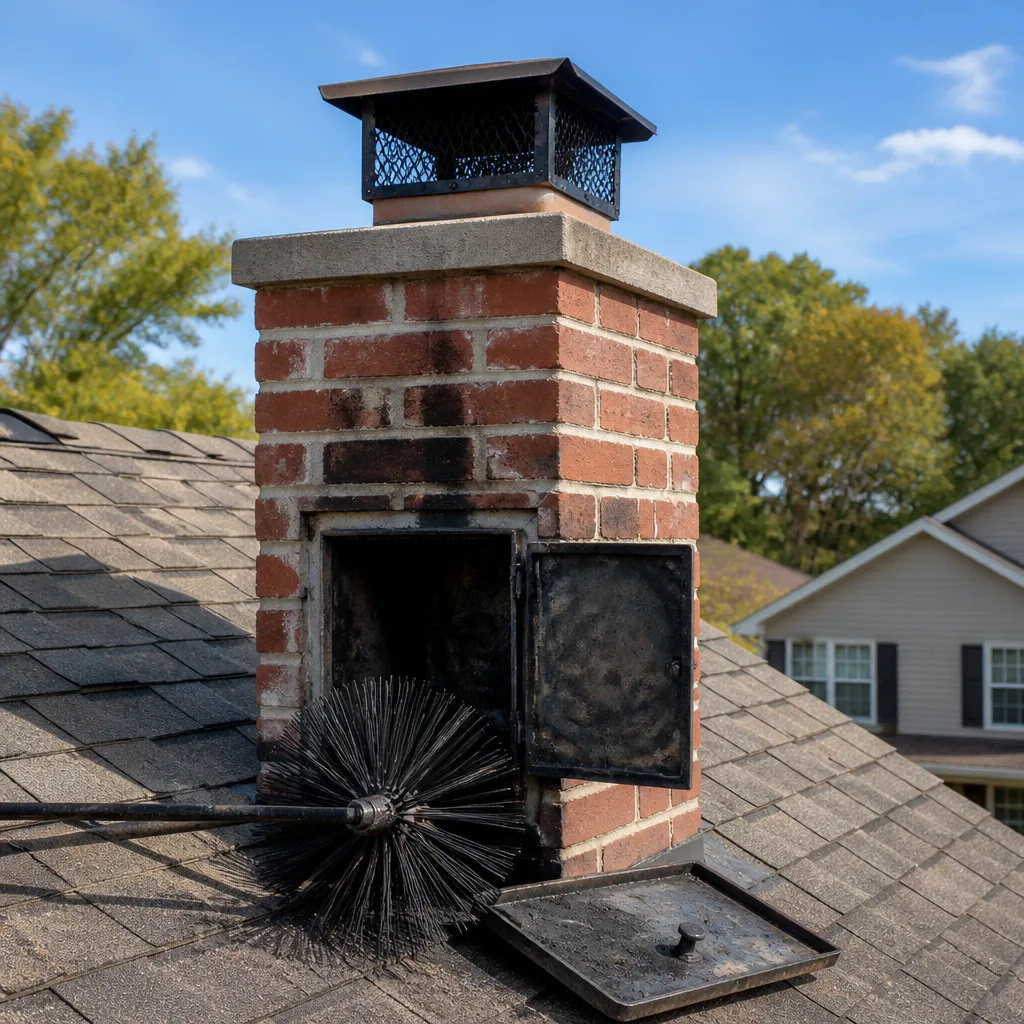 Sweep & inspection
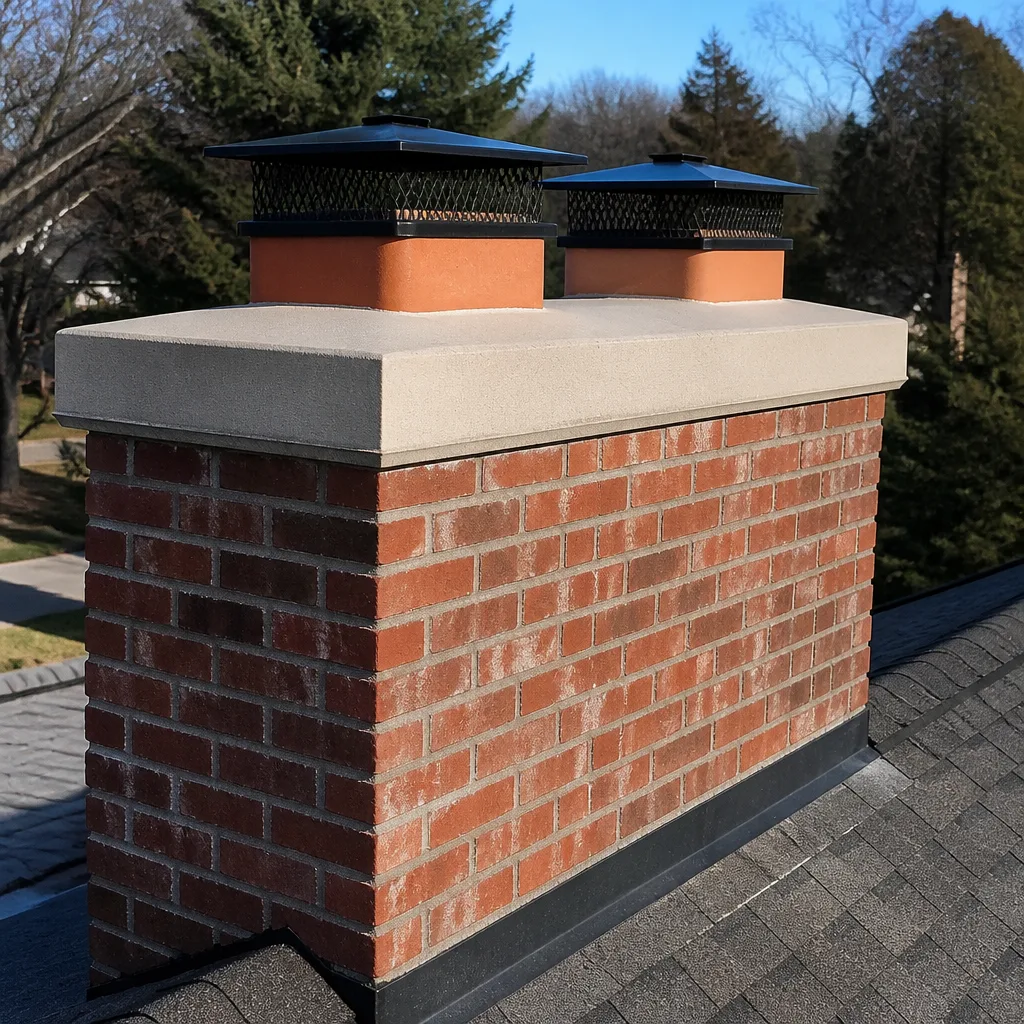 Caps & crowns
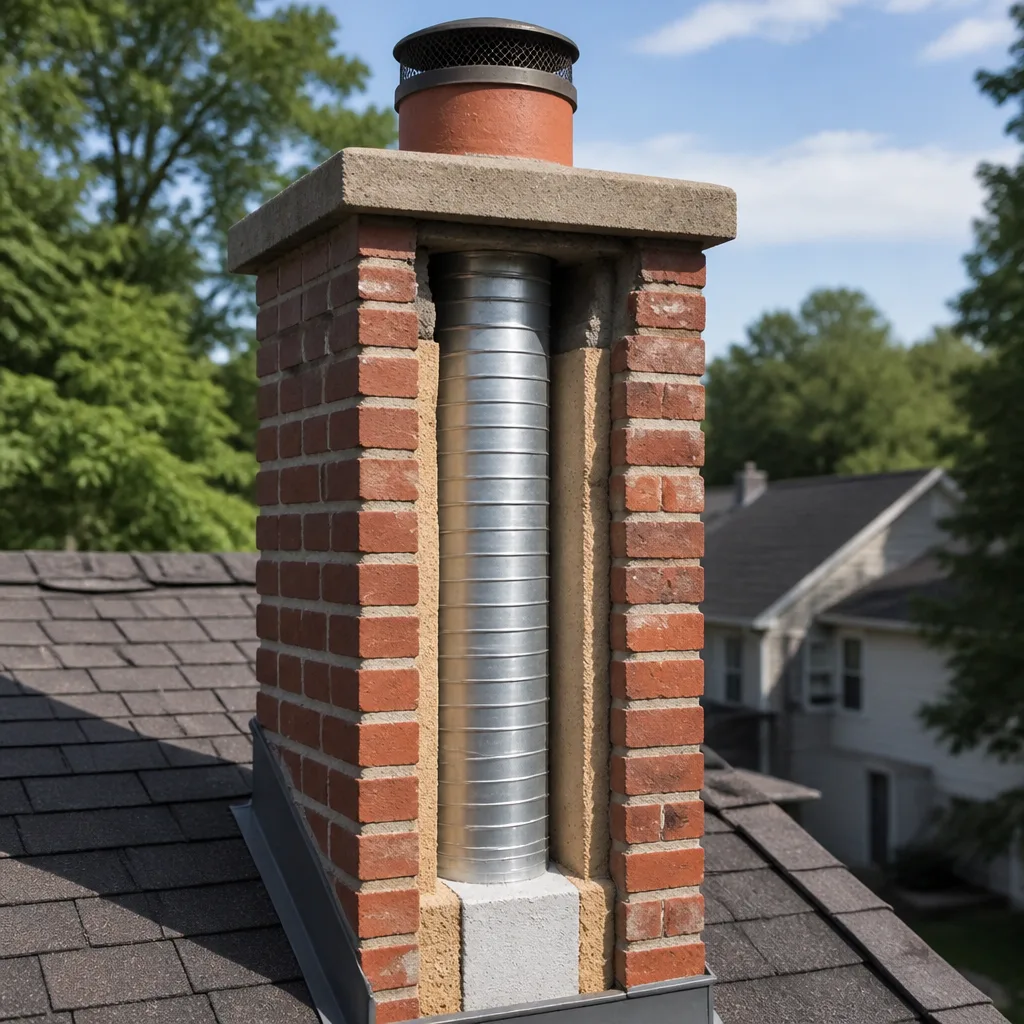 Flue relining
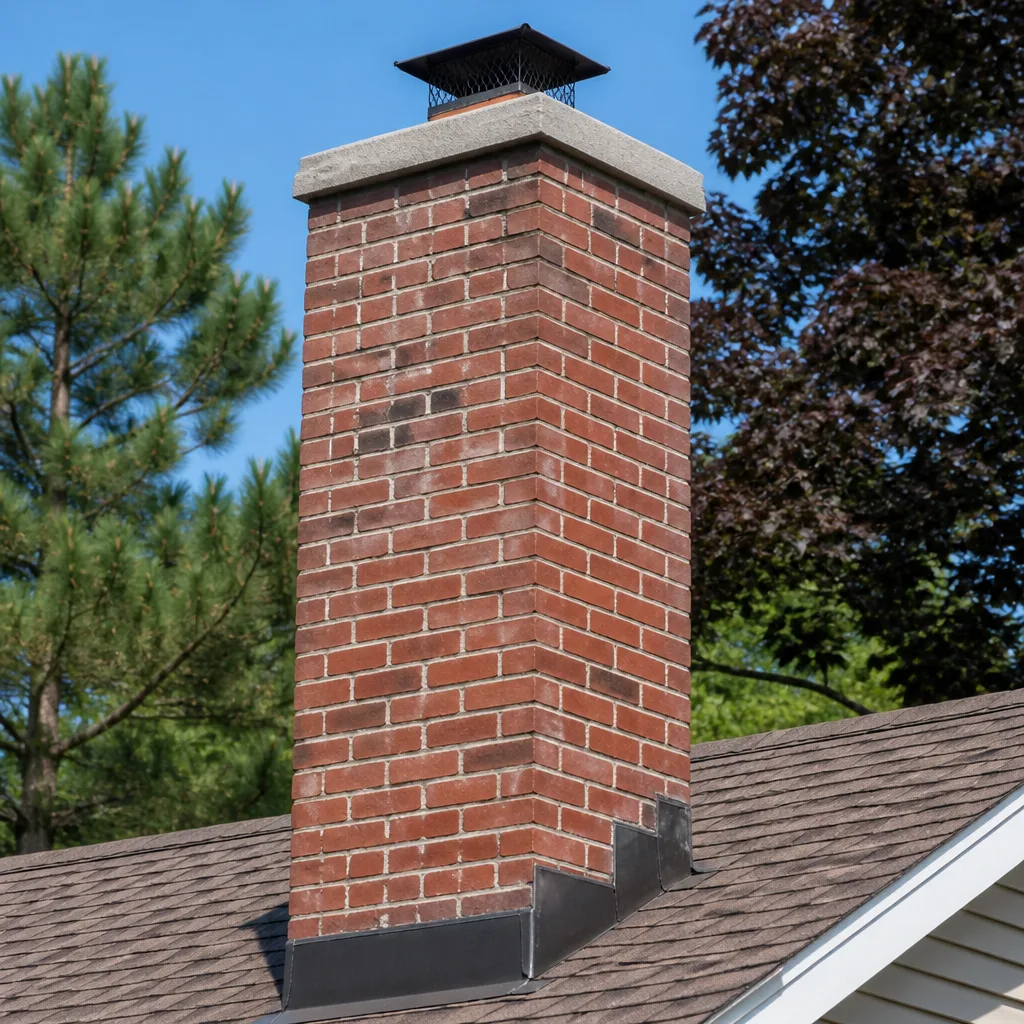 Masonry repair
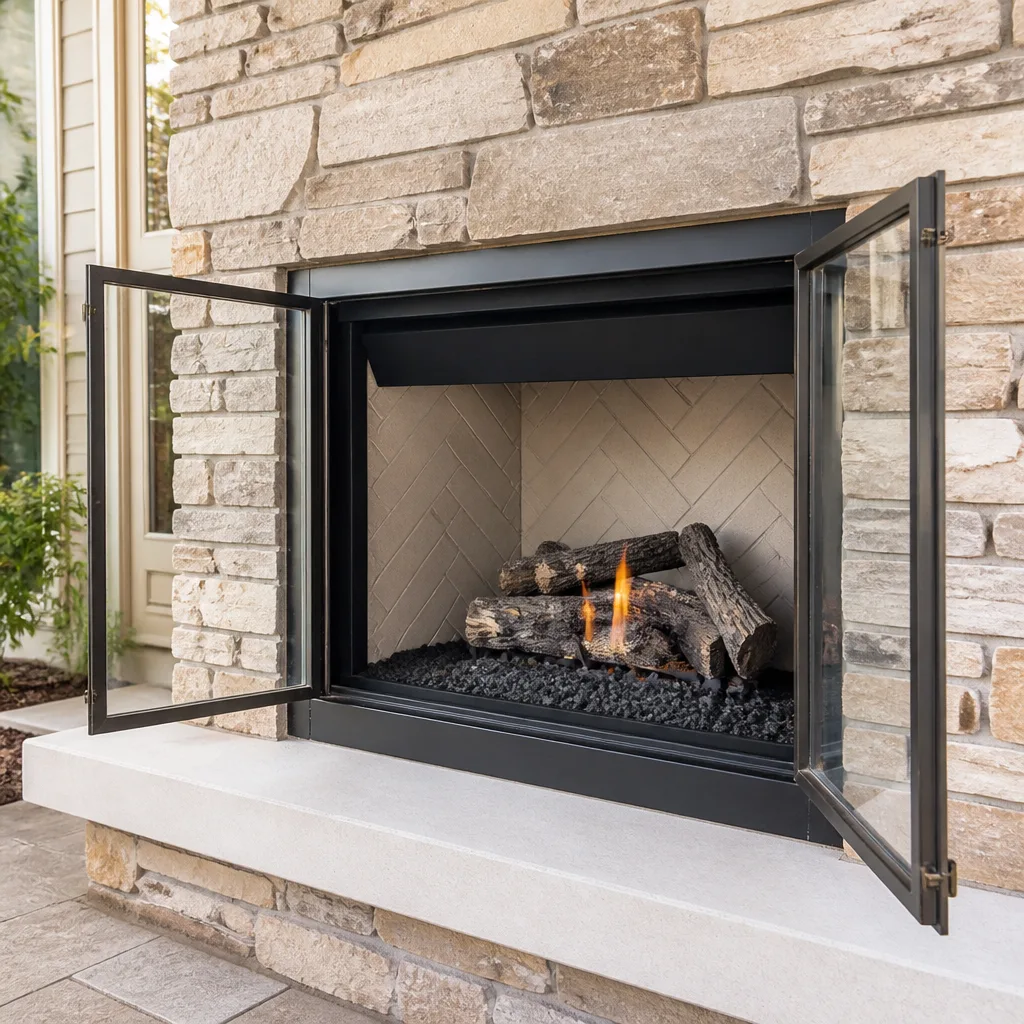 Gas fireplace service
Level 1 sweep and inspection to the NFPA 211 annual standard - flue, crown, cap, and flashing checked and photographed
Chimney sweep logs do not sweep chimneys. They loosen some creosote - which then falls where a brush and vacuum still have to collect it.
Chimney Sweep Maintenance Checklist for Fullerton Homeowners
Most chimney-care advice you’ll find online was written for places with hard winters, frozen gutters and months of snow cover. Fullerton isn’t that place. Our winters are mild, our burning season is short, and the problems that actually show up in Fullerton chimneys tend to be quieter: hairline cracks in clay tile liners that open up during a rare cold snap, mortar joints that soften over years of humid air, and a damper that stops sealing because it’s been sitting in damp conditions it was never meant to handle. A checklist built for Ohio will miss all of that. This one is built for here – what to check, what to log, and what to leave to a trained sweep.
Quick Answer
A proper chimney maintenance checklist for a Fullerton home covers three things: a visual inspection of the firebox, damper and smoke shelf several times a year, a professional sweep and inspection aligned with NFPA 211 levels once a year (or more if you burn often), and a documented log of every service so you have a maintenance history when you sell, insure or permit. The homeowner checks catch small issues early. The professional checks catch what you can’t see from the hearth.
Styles & brands we work with
- Sweep & inspection
- Caps & crowns
- Flue relining
- Masonry repair
- Gas fireplace service
Table of Contents
- Why Fullerton Chimneys Age Differently
- The Room-by-Room Walkthrough Checklist
- Fullerton-Specific Items Most Checklists Miss
- What You Can Check Yourself vs. What Needs a Pro
- What to Log Every Year (and Why It Matters)
- Between-Service Maintenance Products That Actually Help
- Getting Ready for Burning Season in Fullerton
- Common Mistakes to Avoid
- When to Call a Professional
Why Fullerton Chimneys Age Differently
Fullerton sits in a mild, semi-dry climate with warm summers and cool, damp winters. That combination does something specific to a chimney: it never gets cold enough to drive moisture out of masonry quickly, but it gets damp enough that mortar and clay tile stay slightly humid for weeks at a time. Over years, that’s what erodes mortar joints from the inside – not a single hard freeze, but the slow cycle of damp and dry that never fully resolves.
Then comes the rare cold snap. When temperatures drop near or below freezing for a night or two, any moisture that has worked its way into a hairline crack in a clay tile liner expands as it turns to ice. A crack that was cosmetic in October can be a real gap by January. That’s the pattern we see most often in Fullerton homes with older masonry chimneys: nothing dramatic, nothing obvious from the fireplace, but a liner that has quietly lost its integrity over a handful of winters.
The other pattern is damper corrosion. Cast-iron dampers and their hinges sit in a firebox that sees humidity most of the year. Rust builds on the pivot points. The damper stops opening fully, or stops sealing when closed. A damper that won’t seal lets warm house air escape up the flue all summer and lets cool damp air back down. It’s a small, fixable problem when caught, and a bigger one when ignored.
None of this is meant to alarm you. It’s meant to explain why a Fullerton homeowner’s checklist should focus on inspection frequency and documentation more than on winterization. We work on the whole chimney system – not just the part you can see – and the parts you can’t see are exactly what ages fastest here.
The Room-by-Room Walkthrough Checklist
This is the homeowner-side checklist. Run it twice a year – once before burning season and once in spring after you’ve stopped using the fireplace. It takes about fifteen minutes and doesn’t require any tools beyond a flashlight and a mirror on a stick.
1. The damper
Open and close the damper fully. It should move smoothly through its whole range and seal flat when closed. Look for rust on the plate, on the hinges and on the frame. A damper that sticks, grinds or won’t close flush needs professional attention – it’s a corrosion issue, not a lubrication issue.
2. The firebox
Shine the flashlight on the firebox walls. Hairline cracks in firebrick are normal and usually cosmetic. Cracks wider than a coin edge, missing mortar between firebricks, or any white chalky staining are not. Those warrant a professional look before your next fire.
3. The smoke shelf
The smoke shelf is the ledge just behind the damper. It’s where creosote and debris collect first, and it’s the piece most homeowners never look at. Shine the light up and back. Visible soot buildup on the shelf is normal; chunks of debris, nesting material or a crust that looks like tar is a sign the flue needs a sweep.
4. The firebox floor and ash pit
Clear ash regularly. A thick ash bed reduces draft and can mask cracks in the firebox floor. If your fireplace has an ash pit door, check that it opens and closes cleanly and isn’t packed with debris.
5. The hearth and clearances
Confirm nothing combustible – a rug, a log basket, a piece of furniture – sits within the clearance area around the hearth. This is a daily-living check more than a maintenance one, but it’s the most common cause of preventable fireplace incidents.
6. The chimney exterior (from the ground)
Walk outside and look up. You’re checking for a cap that’s present and intact, a crown that isn’t visibly cracked, and any staining on the chimney’s exterior masonry. You’re not climbing the roof. Ground-level observation is enough to spot the obvious.
7. The flue, from inside
With the damper open and the firebox dark, shine a strong flashlight up the flue. You’re looking for daylight at the top (a good sign the flue is clear) and for heavy soot or glazed buildup on the walls. If you can’t see daylight, that’s a call to a sweep.
Fullerton-Specific Items Most Checklists Miss
These are the checklist items that are genuinely local to Fullerton homes, and they’re the ones you won’t find on a generic national list.
Ficus and invasive root intrusion near the chimney footing
Ficus trees are common in Fullerton yards and along parkway strips, and their roots are aggressive. If a mature ficus grows within roughly the height of the tree from your chimney’s exterior footing, watch for roots that have worked into cracks in the footing or the chimney base. You’ll see them as thin, woody threads in the mortar or in the seam where the chimney meets the house. Don’t pull them out yourself – a sweep can assess whether the footing has actually been compromised or just has surface contact.
Santa Ana wind debris in the flue
Santa Ana winds push dry debris – leaves, palm frond pieces, fine grit – into uncapped flues and onto smoke shelves. If you live in a Fullerton neighborhood with mature trees or palms, check the smoke shelf and the top of the flue after a strong Santa Ana event. A cap is the real fix; until you have one, this is an annual cleanup item.
Humidity-driven mortar erosion on the crown
The crown – the sloped concrete cap at the very top of the chimney – is where most water intrusion starts. In Fullerton’s climate, the crown loses its seal gradually rather than being pounded by freeze-thaw. Look for visible cracks, crumbling edges, or staining on the chimney’s exterior that runs down from the crown. A crown in poor condition lets rain into the masonry below it.
Hairline liner cracks after a cold snap
After any night where Fullerton gets near or below freezing, do a visual check of your firebox and, if you can, the top of the flue from the ground. Cracks that weren’t there before a cold snap are the single most common structural change we’re called out to look at in this climate. A trained sweep can confirm whether the liner is intact with a camera inspection.
What You Can Check Yourself vs. What Needs a Pro
The honest distinction matters, because skipping a professional check to save money usually costs more later, and calling a pro for something you can do yourself is a waste. Here’s how we draw the line.
Legitimate DIY visual checks
- Damper operation – open, close, check for rust
- Firebox crack assessment with a flashlight
- Smoke shelf debris inspection
- Ash clearing and hearth clearance
- Ground-level exterior observation (cap, crown, staining)
- Spotting ficus or other root intrusion at the chimney base
- Checking the flue for visible daylight from the firebox
Items that require a trained professional
- Sweeping the flue – the tools are simple but the technique isn’t, and a bad sweep can damage a tile liner
- Any camera inspection of the liner
- Liner crack assessment and any repair decision
- Crown and cap work
- Damper replacement or rebuild
- Anything requiring roof access
- Repairs to masonry or mortar joints
If you’re unsure whether something falls in the DIY column, call and describe what you’re seeing. We answer 24/7 and we’ll tell you straight whether it’s a watch item or a call-out. If the answer is “keep an eye on it,” we’ll say so.
What to Log Every Year (and Why It Matters)
A maintenance log sounds like paperwork. In practice, it’s the single most useful thing a Fullerton homeowner can keep for a chimney, and it takes five minutes a year. Here’s the structure.
What to record
- Date of service and what the service was (sweep, inspection, repair, cap install, crown work)
- Any findings – a hairline crack that was noted but not repair-worthy yet, a damper that was starting to stick, a crown that was flagged for observation
- Photographs – if a sweep provided a photo report or camera inspection images, keep them in the same folder
- What was repaired and by whom, including the products used
- Any recommendation deferred and the reason it was deferred
Why each record matters
When you sell a Fullerton house, a chimney maintenance log answers the inspector’s question before it’s asked. A documented service history tells a buyer the chimney has been maintained rather than neglected.
For insurance, a log shows a record of care. If a claim ever arises from a chimney-related event, the log is evidence that the system was maintained in good faith.
For permits, a log helps if you’re planning any structural work or a fireplace insert installation. A permit application is easier when you can show what’s already been done and when.
For yourself, the log makes the “should I repair this now or wait?” question answerable. If a crown was flagged three years ago and nothing has changed, that’s useful information. If a crack that was cosmetic two years ago has visibly grown, that’s the year to act.
Between-Service Maintenance Products That Actually Help
A short, honest guide to the products that make a difference between professional services – and what they’re genuinely for. We’re not going to recommend a cupboard full of bottles you don’t need.
What helps
- Chimney brushes and rods (SootEater and similar): These are useful for homeowners who burn frequently and want to knock down light soot between annual sweeps. They do not replace a sweep, and they shouldn’t be forced through a liner they don’t fit. If you’re not sure of your flue dimensions, ask before you buy.
- Creosote remover (Rutland and similar products): These are chemical treatments that help convert glazed creosote into a brushable form. They’re genuinely useful in fireplaces that build glazed deposits, but they’re a supplement to sweeping, not a replacement.
- Firebox and hearth cleaner: Any reputable masonry cleaner is fine for soot staining on the firebox face. Skip anything with acid in it unless a professional has confirmed your firebrick can take it.
- A chimney cap: If you don’t have one, a proper cap is the best between-service maintenance product on the market. It stops rain, debris and animals from getting in. Cap and crown services using Gelco and Famco products are engineered specifically for chimney weather protection, which is why we specify them.
What doesn’t
- Sprays that claim to seal cracks in a liner from the firebox. No spray restores a deteriorated clay tile liner. The industry-standard repair for that is HeatShield ceramic resurfacing, applied by a trained technician.
- Any product sold as a “self-cleaning log.” No log cleans a chimney.
- DIY crown patch kits. A crown that’s failed needs to be rebuilt, not smeared over.
Getting Ready for Burning Season in Fullerton
Burning season in Fullerton is short – roughly late fall through early spring, depending on the year – so getting the system right before the first fire matters more than it does in colder climates where the log is longer. Here’s the sequence that gets you ready.
Step 1: Run the homeowner checklist
Fifteen minutes with a flashlight. Look at the damper, the firebox, the smoke shelf and the exterior. Note anything that looks different from last year.
Step 2: Book the sweep and inspection
Do this before you plan your first fire, not after. A sweep and inspection aligned with NFPA 211 standard levels covers safety, structure and clearances. It’s the annual baseline, and it’s the most important single item on this whole list.
Step 3: Address any flagged repairs
If the inspection finds a liner crack, a failing crown or a damper that needs replacement, do the repairs before the season starts. We specify DuraFlex and HeatShield because they’re the products that hold up in this climate and this application. Most general contractors can’t access HeatShield or apply it correctly, which is one reason we keep the work in-house as a chimney specialist.
Step 4: Confirm your cap and crown
If your cap is missing, damaged or was never there, fix it before the rainy season. Most water damage we see in Fullerton chimneys starts at the crown and cap – stopping it at the top is the cheapest repair you’ll ever make.
Step 5: Log the season
Add this year’s service date, any findings and any repairs to your maintenance log. Five minutes now saves an hour of confusion when you sell or insure the house.
Common Mistakes to Avoid
- Skipping the professional inspection because the fireplace looks fine. The most consequential issues we find in Fullerton chimneys – liner cracks, softened mortar joints, early crown failures – aren’t visible from the hearth. A camera inspection tells you exactly where things stand, no guesswork.
- Assuming a mild climate means a chimney needs less attention. Fullerton chimneys age differently, not less. The slow damp-dry cycle here erodes mortar and opens hairline liner cracks that a colder, drier climate wouldn’t produce.
- Letting a ficus grow against the chimney. Ficus roots exploit cracks in the footing and the chimney base. If a mature ficus sits close to your chimney, have the footing checked before the roots have a chance to spread.
- Burning unseasoned wood. Green or damp wood builds creosote faster than dry, seasoned wood. In a climate where the flue stays cool through much of the year, creosote that doesn’t fully dry can become glazed and harder to remove.
- Ignoring Santa Ana wind debris. After a strong Santa Ana event, check the smoke shelf and flue top for debris. If your flue is uncapped, that debris will accumulate faster than you expect.
- Treating a “self-cleaning log” or a spray sealer as maintenance. Neither substitutes for sweeping, and no product restores a failing clay tile liner. The right repair for a deteriorated liner is resurfacing or relining, done by a chimney specialist.
- Not keeping a log. Without a record, every future inspection starts from zero, and you lose the evidence you need to demonstrate maintenance history for a sale, insurance claim or permit.
- Hiring a general handyman for a chimney repair. Chimney systems are their own trade. A generalist with a ladder is not the same as a technician trained specifically on chimney structures, and the products that hold up – DuraFlex, HeatShield, Gelco, Olympia Chimney – aren’t the ones a generalist typically carries.
When to Call a Professional
Call a professional when any of the following are true: you can’t see daylight at the top of the flue from the firebox, you have a glazed or heavy soot buildup on the flue walls, your damper sticks or won’t seal, you’ve noticed a crack in the firebox wider than a coin edge, you have water staining on the chimney’s exterior, or your cap or crown is missing, cracked or damaged. Also call if you’ve just bought the house and don’t know the chimney’s history – an inspection is the fastest way to find out. Fullerton Chimney Sweep offers free estimates in Fullerton – call (833) 508-9170. We answer 24/7. Fast dispatch from 7am to 7pm, Sunday through Friday. If you need a routine chimney sweep before the season, book it now rather than after the first fire.
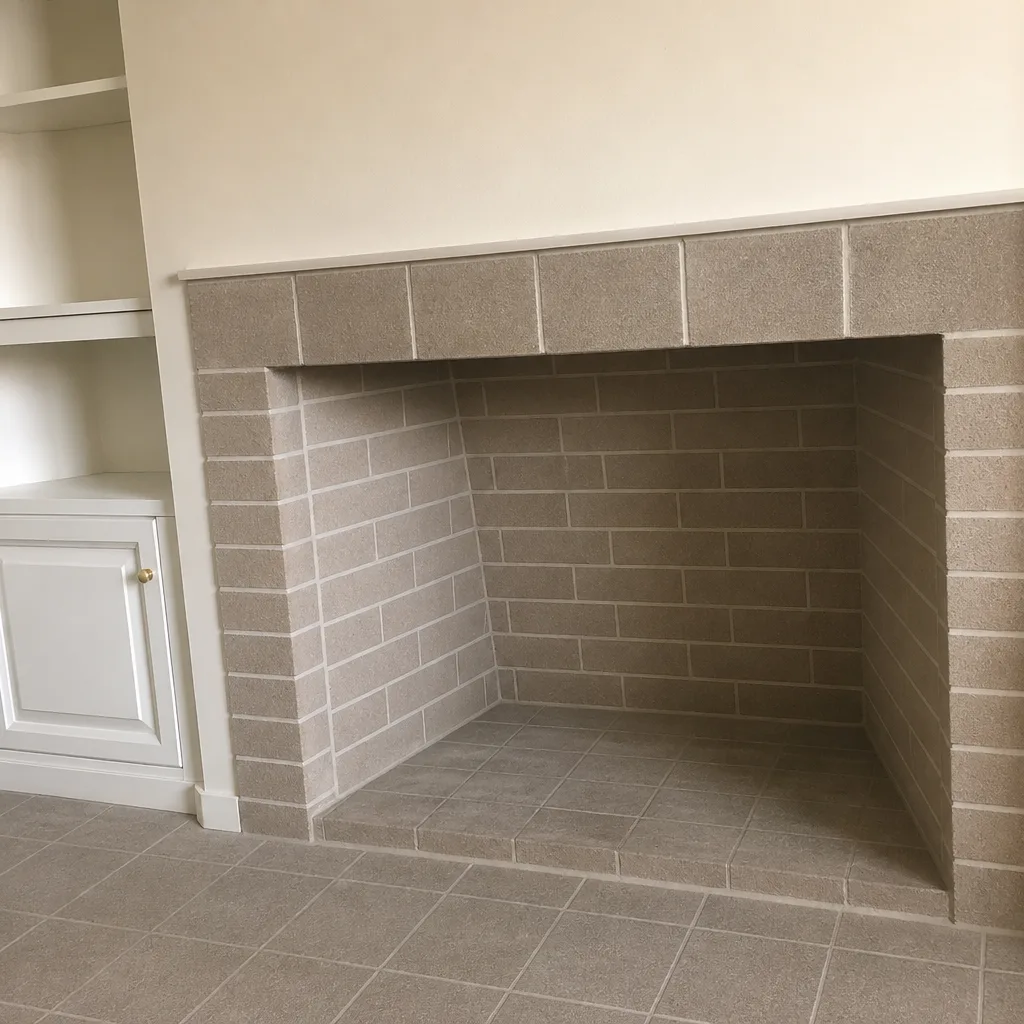
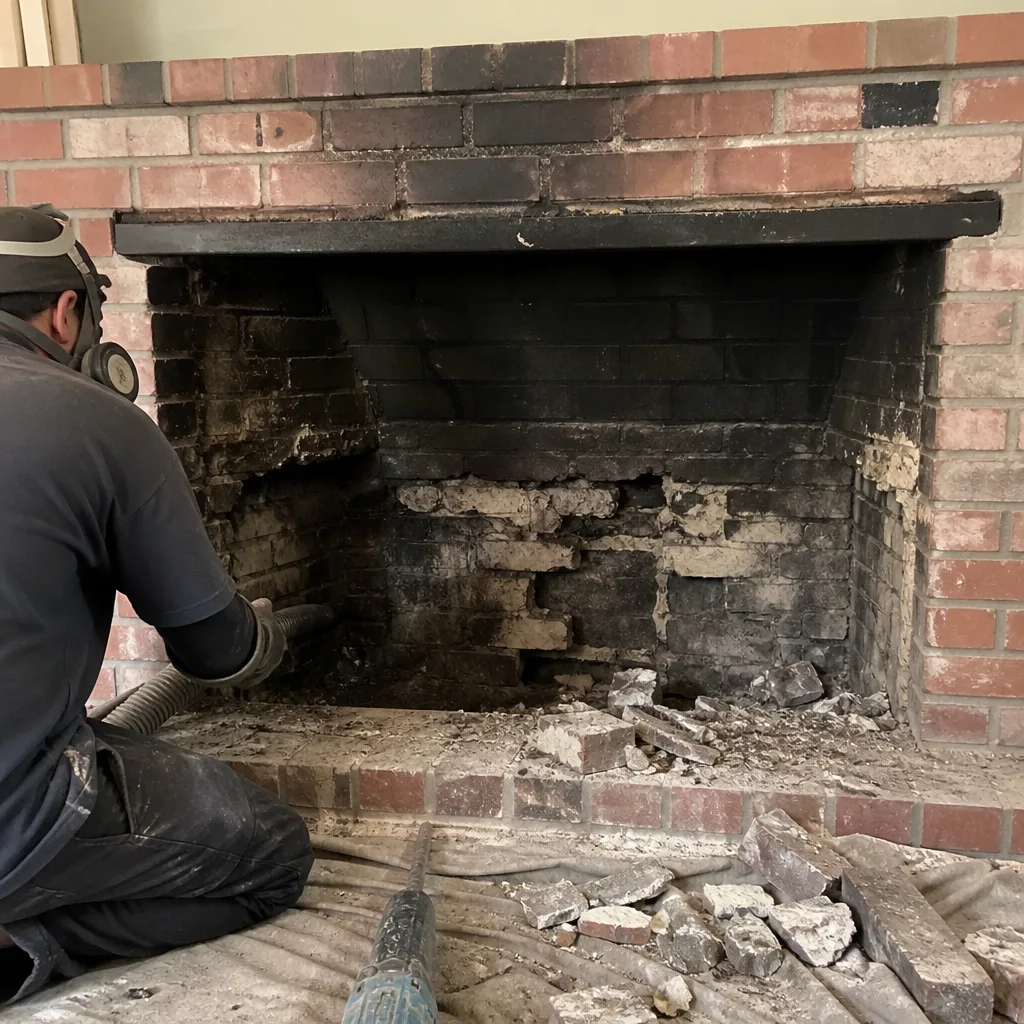
See the difference
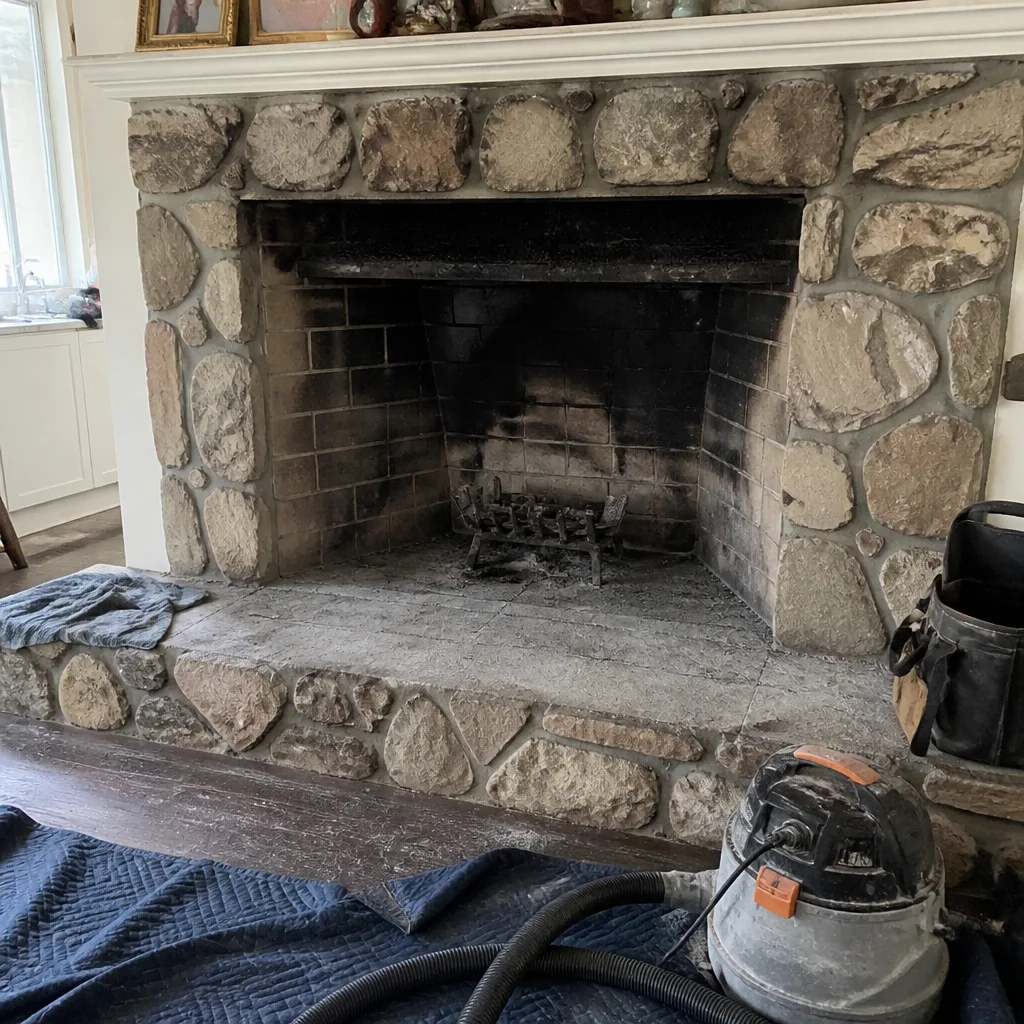 Before
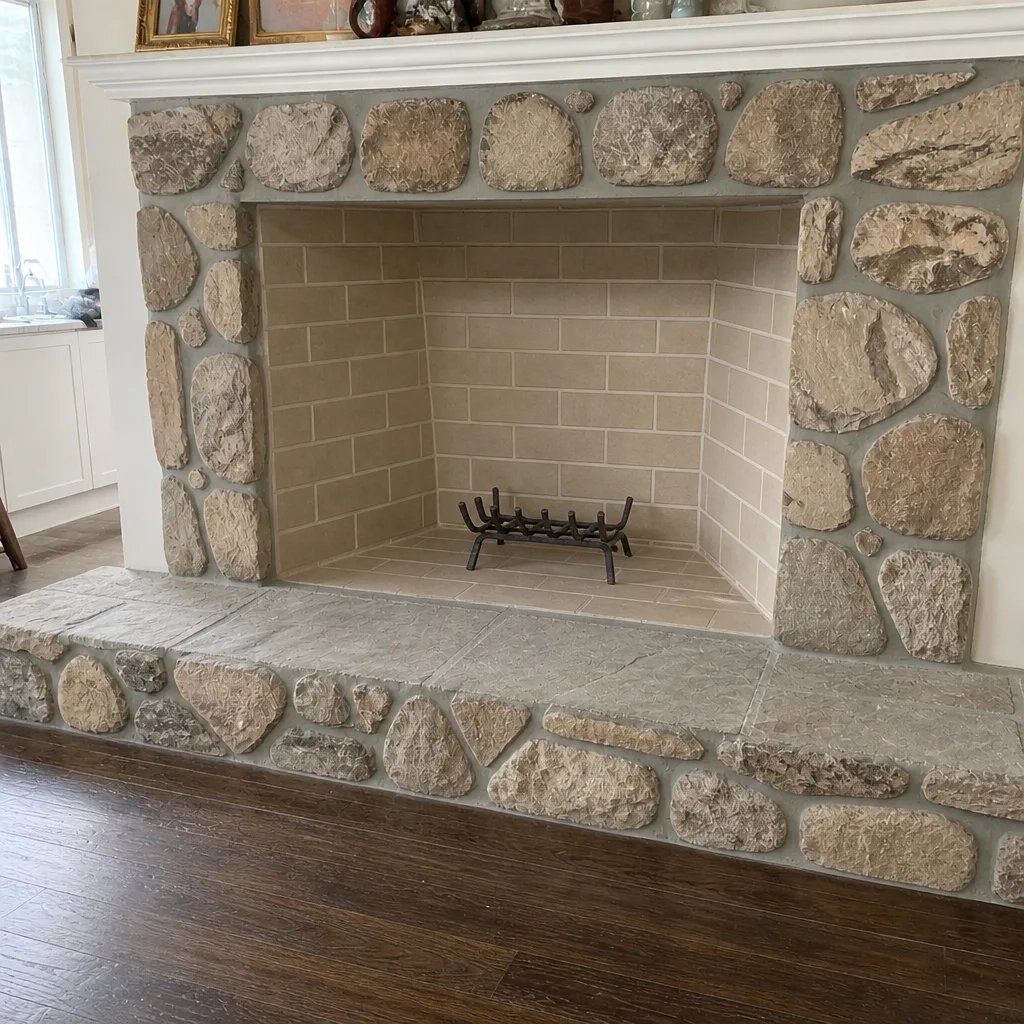 After
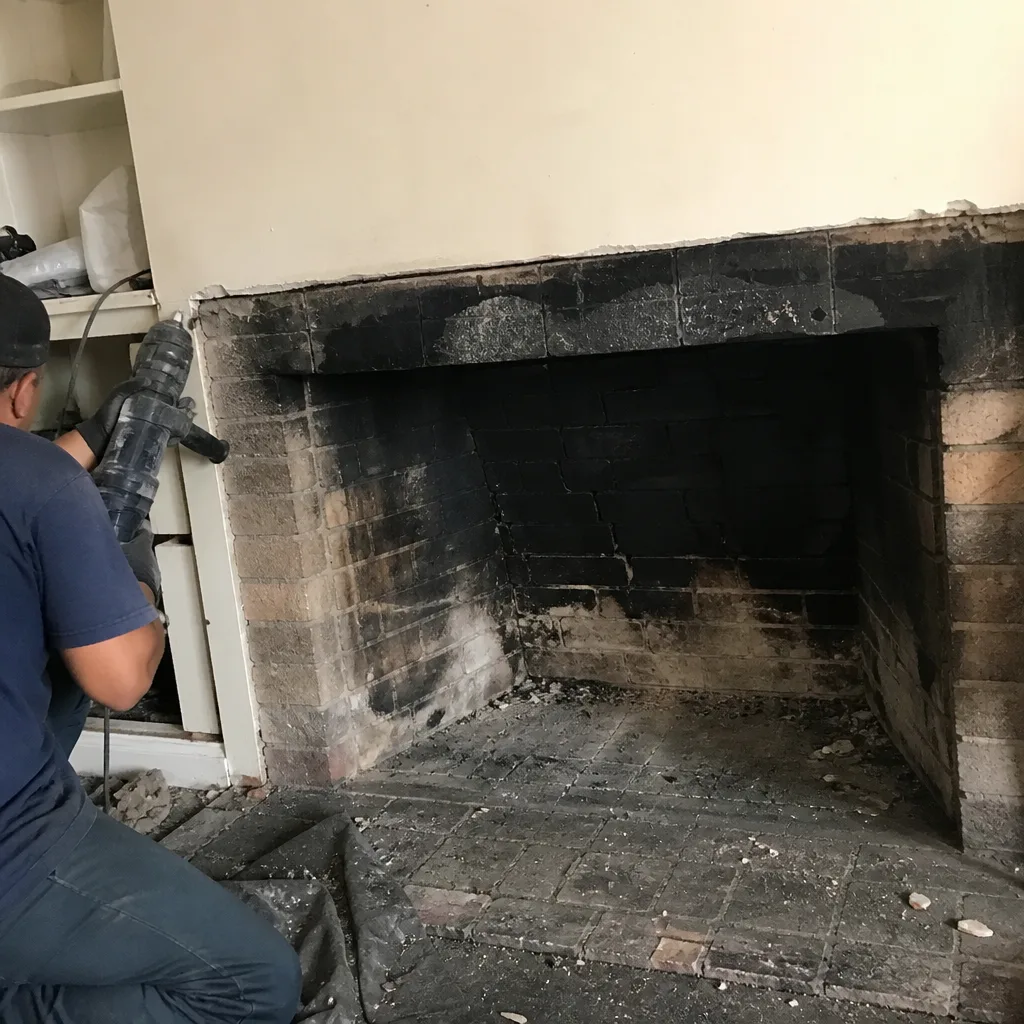 Before
 After
 Before
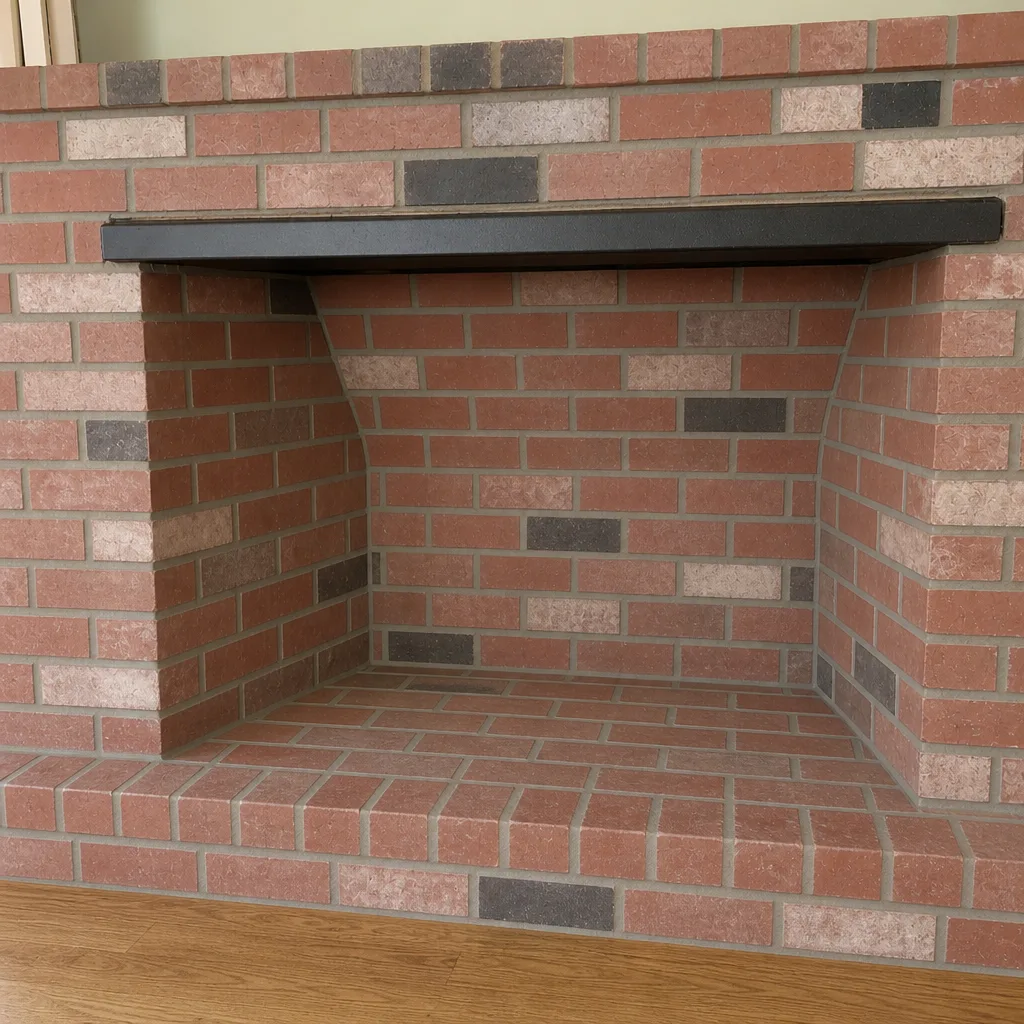 After
Frequently Asked Questions
Once a year for most Fullerton homes, and more often if you burn frequently or burn wood that produces heavy creosote. A professional inspection aligned with NFPA 211 levels should happen alongside the annual sweep. If you’ve had a cold snap or a strong Santa Ana wind event, it’s worth a check even outside the annual schedule. Call (833) 508-9170 to book.
Sometimes, but not as often as you’d think. A deteriorated clay tile liner can often be restored with HeatShield ceramic resurfacing rather than replaced entirely; a fully failed liner calls for a DuraFlex reline. What matters is that the recommendation is based on camera evidence you can see, not on a sales pitch. Ask to see the inspection photos before you approve any liner work. Call (833) 508-9170 for an exact quote – estimates are free.
Small issues stay small for a while, then compound. A hairline crack becomes a gap after a cold snap. A sticking damper becomes a rusted damper. A crown that loses its seal lets water into the masonry behind it. Skipping maintenance doesn’t cause a chimney fire, but it does let the conditions that enable one go unnoticed. The simplest step is an annual sweep and inspection. Call (833) 508-9170 to schedule.
Yes. Damper operation, firebox cracks, smoke shelf debris and ground-level exterior observation are all legitimate DIY checks. Anything that requires roof access, camera inspection, liner assessment or masonry repair needs a professional. Use the checklist above to know where the line is.
Keep the date of every service, what was found, what was repaired, which products were used, and any recommendation that was deferred. Photographs from any camera inspection belong in the same place. This is the record you’ll want when you sell the house, file an insurance claim or apply for a permit. We can provide a photo report with every inspection, which makes the log easy to maintain.
Look for visible cracks in the crown, crumbling edges, or staining on the chimney’s exterior that runs down from the top. In Fullerton’s climate, crown damage is gradual rather than freeze-driven, so the first sign is usually a hairline crack that grows over a few years. A crown repair now prevents most of the water intrusion issues we see. Call (833) 508-9170 to have it looked at.
No. It means different maintenance. You won’t be dealing with snow loads or freeze-thaw the way a colder climate would, but you will be dealing with slow mortar erosion from humid air, hairline liner cracks from occasional cold snaps, and damper corrosion from year-round moisture. The annual sweep and inspection is the same, but the specific items you watch for are local.
The Bottom Line
A Fullerton chimney checklist looks different from the national template because the problems are different: slow mortar erosion instead of freeze damage, hairline liner cracks after a rare cold snap instead of after a hard winter, and a crown and cap that do most of the real protective work through years of mild damp. Run the homeowner walkthrough twice a year, log every service, watch the local items – ficus roots, Santa Ana debris, crown corrosion – and book a professional sweep and inspection every year. If you need fireplace repair or chimney repair alongside the routine maintenance, Fullerton Chimney Sweep covers the whole system – sweep, inspection, repair, cap and crown – as a chimney specialist rather than a generalist. Call (833) 508-9170 for a free estimate.
Written by the team at Fullerton Chimney Sweep.