
Last updated November 25, 2026
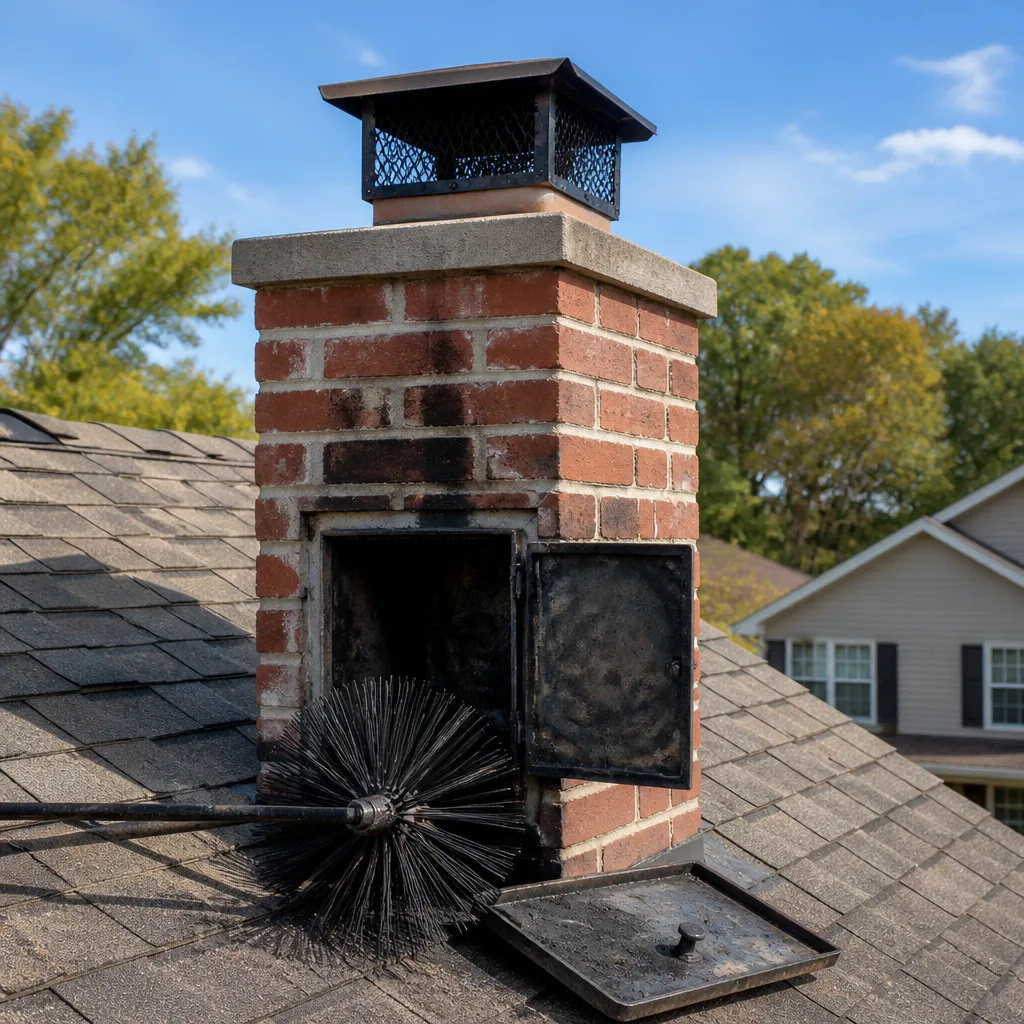 Sweep & inspection
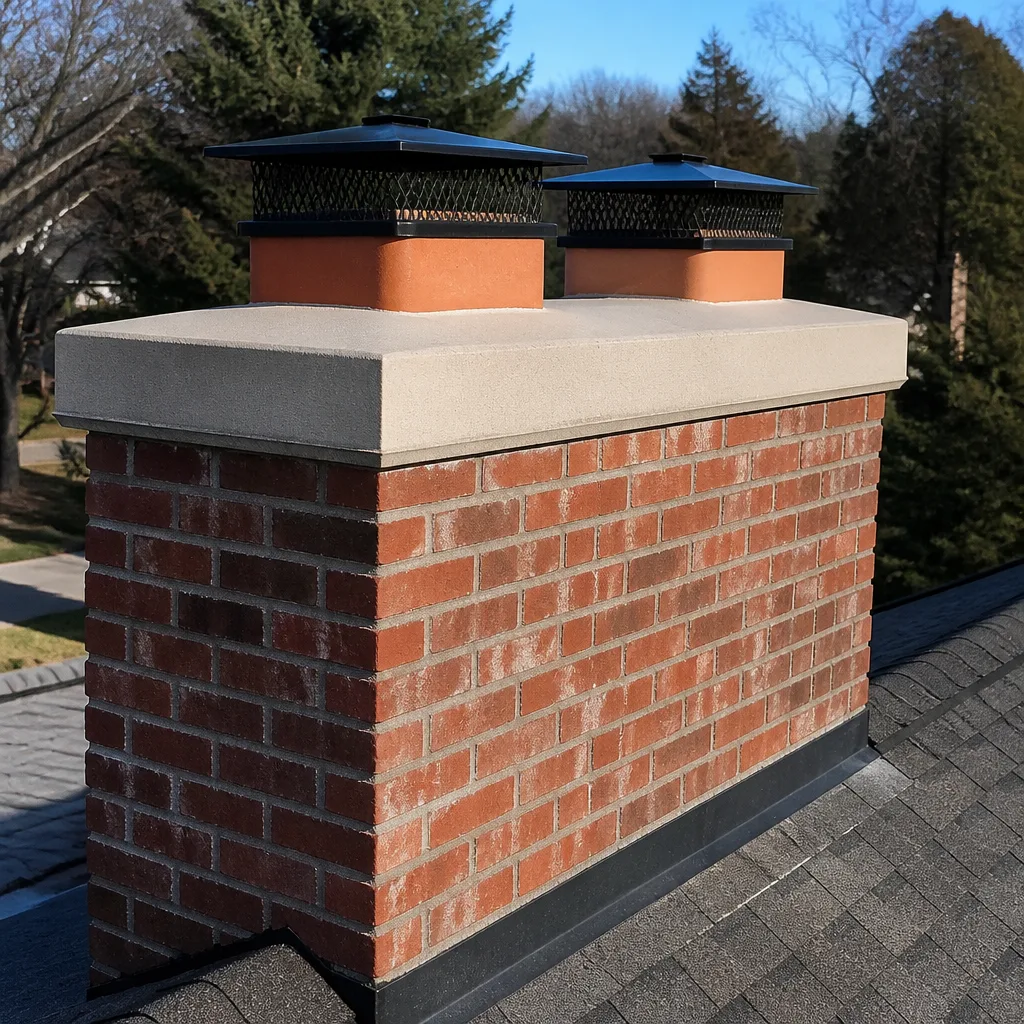 Caps & crowns
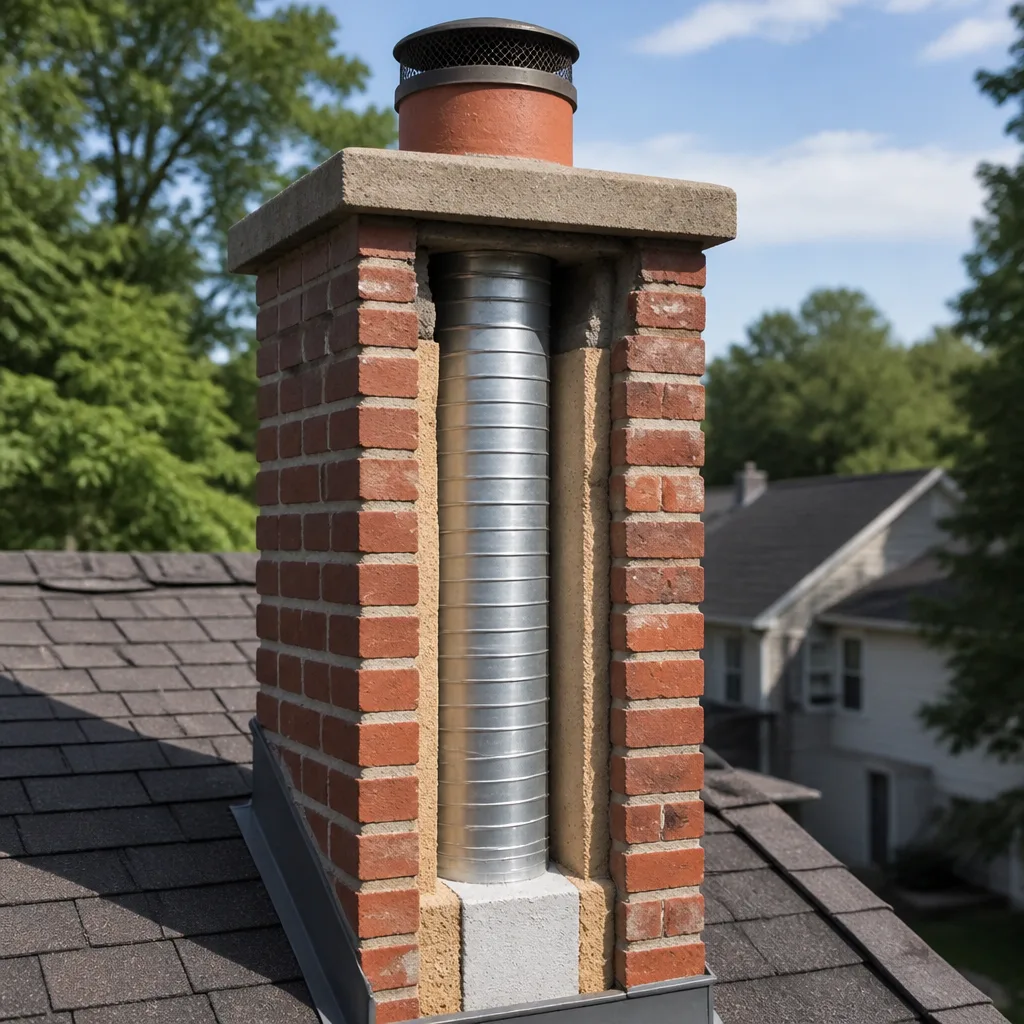 Flue relining
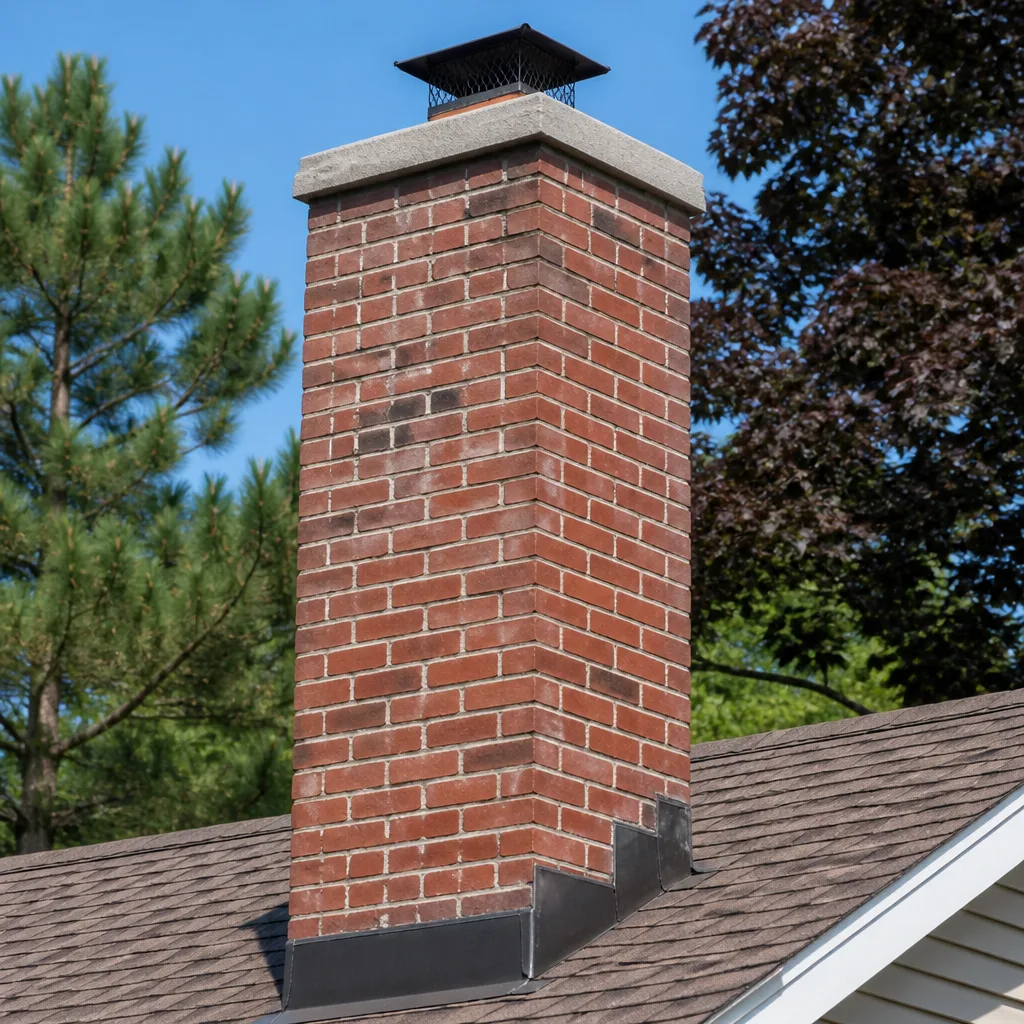 Masonry repair
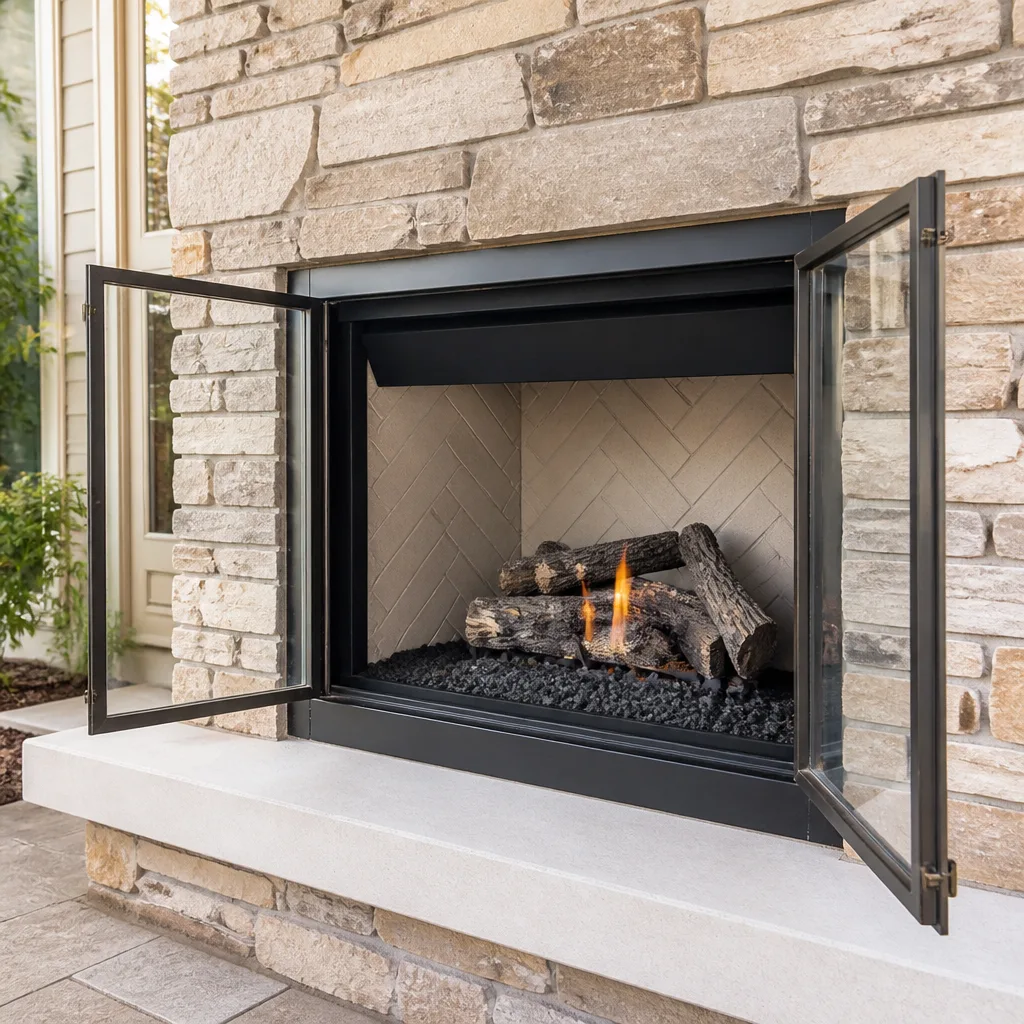 Gas fireplace service
Level 1 sweep and inspection to the NFPA 211 annual standard - flue, crown, cap, and flashing checked and photographed
Chimney sweep logs do not sweep chimneys. They loosen some creosote - which then falls where a brush and vacuum still have to collect it.
Chimney Cleaning Permits, Codes & Inspections in Fullerton, CA: What You Need to Know
Your sweep told you the flue liner needed relining. What they didn’t mention is that in California, that work may require a permit from the City of Fullerton, and without it your homeowner’s insurance claim could be denied. That’s the gap this guide closes. Most chimney cleaning itself needs no permit at all. But the moment a sweep finds something that needs repair, the job can cross into permit territory fast, and Fullerton homeowners who don’t know where that line sits end up with unpermitted repairs that surface at resale. You’ll learn what California Residential Code Section R1003 actually governs, when a repair becomes a permitted alteration, how to verify a contractor pulled the right permit, and what a CSIA inspection report means to a permit desk or an insurance adjuster.
Quick Answer
Routine chimney cleaning and sweeping in Fullerton generally do not require a permit. Structural repair or alteration work, including flue liner replacement, firebox rebuilding, and masonry repair beyond minor patching, typically does require a permit from the City of Fullerton’s building department under California Residential Code Section R1003. Cap installation usually falls outside permit scope, but confirm with the city, and always verify that your contractor pulled the permit before any repair work begins.
Styles & brands we work with
- Sweep & inspection
- Caps & crowns
- Flue relining
- Masonry repair
- Gas fireplace service
Table of Contents
- What California Residential Code Section R1003 Governs
- When Chimney Work Crosses From Maintenance Into Permit Territory
- How to Verify Your Contractor Pulled the Correct Fullerton Permit
- What a CSIA Level 2 or Level 3 Inspection Report Means for Permits and Insurance
- Common Code Violations Found in Fullerton Chimney Inspections
- How Fullerton’s Climate Affects Chimney Condition and Repair Decisions
- New Homeowners: What an Inherited Chimney History Means for Code Compliance
- What Chimney Work and Permits Typically Cost in Fullerton
What California Residential Code Section R1003 Governs
California Residential Code Section R1003 sets the rules for chimney construction, clearance, and flue requirements for one- and two-family dwellings. It’s the section a Fullerton building plan checker will pull up when a chimney permit crosses their desk, and it’s the section that determines whether the chimney in your home was built to code in the first place. The code applies whether you have a masonry chimney built from brick and mortar or a factory-built unit with a metal flue, though the requirements for each are different.
For masonry chimneys, R1003 covers wall thickness, flue lining, and the clearance required between the chimney and combustible materials. For factory-built chimneys, the governing code is often the manufacturer’s listing and installation instructions, which R1003 references. That distinction matters in Fullerton because the city has a mix of older masonry chimneys from mid-century homes and newer factory-built systems installed during remodels. A repair that would be straightforward on a masonry flue may require a specific listed component on a factory-built unit, and using the wrong part fails inspection.
Section R1003 also governs chimney height relative to the roofline, the crown, and the spark arrestor or cap. None of these are things most homeowners think about until an inspector flags them, but they’re exactly what a Fullerton permit reviewer will check. If you’re planning any repair that changes the chimney’s structure or flue, understanding R1003 before you hire anyone puts you in a much stronger position.
One practical point: R1003 is the residential code. If your chimney is part of a commercial building or a multi-family structure, different chapters apply, and the permit path is different. For most Fullerton single-family homeowners, R1003 is the reference point.
When Chimney Work Crosses From Maintenance Into Permit Territory
The line between maintenance and permit-required repair is the single most misunderstood thing about chimney work. Maintenance means cleaning, sweeping, and minor adjustments that don’t change the structure or the flue. Repair means changing something structural. The moment your sweep moves from a brush to a trowel, the permit question becomes real. Here’s how the threshold breaks down in practice.
Usually no permit required:
- Routine sweeping and cleaning of the flue, firebox, and smoke chamber
- Removing creosote, soot, and debris
- Inspecting the chimney at CSIA Level 1, 2, or 3
- Minor cap or spark arrestor replacement where the existing chase is unchanged (confirm with the city)
- Minor mortar touch-up that doesn’t alter structure
Typically requires a permit from the City of Fullerton:
- Flue liner replacement or relining, including the installation of a stainless-steel liner system
- Firebox rebuilding or significant masonry repair
- Chimney crown replacement or structural crown repair
- Any work that alters the chimney’s footprint, height, or clearance to combustibles
- Converting a fireplace from wood-burning to gas with new venting
- Demolition or partial demolition of a chimney
In our experience, the confusion usually lands on liner replacement. Homeowners hear “relining” and assume it’s a cleaning-adjacent task. It isn’t. A liner replacement changes the flue system itself, and in Fullerton that’s the kind of work the building department wants to see permitted and inspected. The same is true of crown work, which many people think of as cosmetic. A crown is structural and weather-protective, and replacing one often triggers a permit because it changes how the chimney sheds water.
When we recommend a repair, we tell you plainly whether we believe it needs a permit. We work with professional-grade materials from brands like DuraFlex, HeatShield, and Olympia Chimney because those systems are what the code expects to see installed to listing, and a permit reviewer will recognize them. If a contractor tells you a full relining job “doesn’t need a permit,” that’s a conversation worth having with the city before the work starts.
How to Verify Your Contractor Pulled the Correct Fullerton Permit
Verifying a permit is not complicated, but almost no homeowner does it. The City of Fullerton maintains a public permit portal where you can search by address and see what permits have been pulled, when, and for what scope. If your contractor says the permit is handled, the portal is how you confirm it. Here’s the step-by-step.
- Get the permit number in writing. Before work begins, ask your contractor for the permit number and the exact scope of work listed on it. A permit for “chimney repair” that doesn’t name the liner replacement you were quoted is a red flag.
- Search the Fullerton permit portal by your property address. The portal will show the permit, its status, and the contractor of record. If nothing appears, the permit may not have been pulled yet.
- Confirm the contractor of record matches the company doing the work. A permit pulled under a different company’s name means the wrong entity is on the hook for the inspection.
- Read the scope. The permit should describe the work in enough detail that you can match it to your written estimate. Liner replacement, crown replacement, and firebox work should each be named.
- Ask for the inspection schedule. Most permitted chimney work requires a rough inspection before the chimney is closed up and a final inspection after. Ask when those are expected.
- Keep a copy of everything. Permit number, inspection sign-off, and your written estimate all belong in your home records. They’ll matter at resale.
If something looks off, call the City of Fullerton building department directly. They’ll tell you whether a permit is required for the scope described and whether one exists for your address. That one phone call protects you from inheriting an unpermitted repair.
We pull permits when the work requires one. It’s not a selling point, it’s the law, and it’s what protects you if anything goes wrong. If you want to talk through whether your job needs a permit, we’re happy to walk through it before you commit to anything. Our technicians have up to 14 years of experience reading these situations, and we’ll tell you when work can safely wait.
What a CSIA Level 2 or Level 3 Inspection Report Means for Permits and Insurance
The Chimney Safety Institute of America (CSIA) defines three inspection levels, and the level you need depends on what’s being evaluated. A Level 1 is the basic visual inspection done during a sweep. A Level 2 is what most permits and insurance claims require because it goes into the flue and other concealed areas with a camera. A Level 3 is a diagnostic inspection that may involve opening walls or removing parts of the chimney. Knowing which level you have matters when a permit reviewer or an adjuster asks for documentation.
Level 1 inspection: A visual check of accessible portions of the chimney, firebox, and vent system without tools. It’s appropriate for a routine sweep when nothing has changed and no problem is suspected. It’s not usually sufficient for a permit application or an insurance claim because it doesn’t cover the interior of the flue.
Level 2 inspection: This is the standard for real estate transactions, after a chimney fire, after an earthquake or significant event, and for most permit applications. A Level 2 includes a camera inspection of the flue interior and a review of the chimney’s accessible components. It documents the condition of the liner, the crown, the cap, and the clearances. A written Level 2 report with photos is what a Fullerton permit reviewer or insurance adjuster will want to see.
Level 3 inspection: This is a diagnostic inspection used when a Level 2 identifies a problem that can’t be assessed without access to concealed areas. It may involve removing parts of the chimney or adjacent finishes. It’s the most involved and the most expensive, and it’s usually triggered by a specific concern rather than done routinely.
For permit purposes, a Level 2 is almost always the right call. For insurance claims, an adjuster will typically ask for a Level 2 report with photographic evidence of the condition being claimed. If you’ve been told you need a new liner, the report behind that recommendation should be a Level 2 with camera documentation of the interior of the flue. We include a camera inspection and a photo report with our inspections because that’s what you need to make an informed decision and to satisfy a reviewer.
Common Code Violations Found in Fullerton Chimney Inspections
Many Fullerton homeowners inherited code violations they never knew about. A previous owner’s repair, a DIY relining job, or a cap installed without the correct clearance can sit quietly for years until an inspection or a permit application surfaces it. Here are the violations we see most often during chimney inspections in Fullerton.
- Unlined or improperly lined flues. Older masonry chimneys sometimes have no liner at all, or a clay tile liner that’s cracked or missing sections. This is a code problem under R1003 and a genuine safety issue because heat and combustion gases can reach combustible materials.
- Missing or damaged chimney cap. A cap isn’t decorative. It keeps water, animals, and debris out of the flue. A missing cap allows rain into the chimney, which damages the liner and the masonry over time. Many homes in Fullerton have caps that were never installed or that have rusted through.
- Cracked or deteriorated crown. The crown is the concrete cap at the top of a masonry chimney, and it’s the first line of defense against water. A cracked crown lets water into the chimney structure, and that damage compounds quickly in a climate with wet winters.
- Insufficient clearance to combustibles. R1003 requires specific clearance between the chimney and wood framing or other combustible materials. Remodels sometimes reduce that clearance, and it’s a serious fire risk.
- Wrong liner for the appliance. A wood-burning fireplace and a gas appliance need different venting. A liner installed for one and used for the other can fail inspection and create a carbon monoxide risk.
- Unpermitted repairs from a previous owner. This is the one that most often surfaces at resale. A liner replacement done without a permit, a crown rebuilt by a general handyman, or a firebox patched with the wrong material all show up when a buyer’s inspector looks.
We work on the whole chimney system, not just the part you can see. That means when we spot one of these violations, we tell you what it is, show you the photo evidence, and explain what the fix involves and whether a permit is required. Nothing gets recommended without camera evidence you can review yourself, and we’ll tell you plainly when a repair can safely wait and when it can’t.
How Fullerton’s Climate Affects Chimney Condition and Repair Decisions
Fullerton’s climate is mild, and that shapes how chimneys age here compared to colder parts of the country. Winters are wet but not severe, and summers are dry and warm. The biggest threat to a Fullerton chimney isn’t freezing, it’s water. Rain that gets past a damaged crown or a missing cap works into the masonry, which is porous, and over time that water damages the liner, the mortar joints, and the firebox. That’s why crown and cap work matters so much here, and why we specify Gelco and Famco products for those jobs. They’re engineered for chimney weather protection, not adapted from something else.
The local housing stock also plays a role. Many Fullerton homes date from the mid-twentieth century, which means their masonry chimneys were built to older standards. A chimney that was fine in the 1950s may not meet current R1003 clearances, and that gap matters when a repair triggers a permit. When a Fullerton permit reviewer looks at a repair on an older chimney, they’re evaluating the whole system against current code, not just the part being repaired. That’s why an inspection before a repair is so valuable: it surfaces what the permit will require before the work begins.
On the repair side, we use HeatShield for liner restoration because it’s an industry-recognized resurfacing solution that can bring a deteriorated flue back into service without a full relining. For jobs that need a full liner, we install DuraFlex flexible stainless-steel systems. Both are materials professional restoration contractors use, and both are what a permit reviewer expects to see installed to manufacturer’s listing. The point isn’t to sell you a specific brand, it’s that the wrong material fails inspection and the right one doesn’t.
One more local note: Fullerton has a lot of homes with gas fireplaces and inserts that were added during remodels. A gas appliance changes the venting requirements, and a liner that was correct for wood may not be correct for gas. If your home has been converted at some point, ask about it during your next inspection.
New Homeowners: What an Inherited Chimney History Means for Code Compliance
When you buy a home in Fullerton, you inherit the chimney’s entire history, including every repair that was done or not done before you arrived. The seller’s disclosure often says nothing about it. Your home inspector may have looked at the firebox and called it serviceable without ever inspecting the flue interior. That’s not a knock on home inspectors, it’s just outside their scope. The result is that many new homeowners discover a code problem only when they call for their first sweep.
Here’s what we recommend for a newly purchased Fullerton home with a fireplace or wood-burning appliance:
- Get a CSIA Level 2 inspection before you use the fireplace. This is the standard for a real estate transaction because it documents the interior of the flue with a camera. Don’t skip it because the firebox looked fine.
- Ask the city whether any permits were pulled for chimney work on the property. A quick search on the Fullerton permit portal tells you whether a relining or crown replacement was ever permitted. If it wasn’t, treat that repair as unverified.
- Check that the cap is present and intact. This is the single cheapest thing to fix and the one that prevents the most water damage.
- Look at the crown from the ground with binoculars. A crack in the crown is visible from below if you look for it. Catching it early is the difference between a minor repair and a liner replacement.
- Document what you find. Keep the inspection report, photos, and any permit records with your home files. If you sell, the next owner will ask.
- Ask about the last time the chimney was swept. If the seller doesn’t know, assume it hasn’t been done recently and schedule a sweep before the first fire.
If the inspection turns up a problem, you have options. Some repairs can wait, some can’t. We’ll tell you which is which, and we won’t recommend anything we can’t show you on camera. If the previous owner left you an unpermitted repair, we’ll explain what the city will require to make it right and what it involves.
What Chimney Work and Permits Typically Cost in Fullerton
Chimney work in Fullerton isn’t priced by a national average, it’s priced per job by a written estimate that accounts for the specific chimney, the scope, and whether a permit is required. That said, there are typical ranges for the common jobs, and knowing them helps you evaluate an estimate. These are estimates; the written estimate you receive sets the final price.
- Routine chimney sweep and Level 1 inspection: typically a few hundred dollars, varies by chimney type and access
- CSIA Level 2 inspection with camera and photo report: typically higher than a Level 1 because of the camera work and documentation
- Chimney cap installation: varies with cap type and chimney configuration; Gelco and Famco caps are specified for weather protection
- Chimney crown repair or replacement: priced per job; a cracked crown is often the first repair recommended because it prevents water intrusion
- HeatShield liner restoration: priced per job based on flue length and condition
- Full DuraFlex stainless-steel relining: the most involved liner job; priced per job and typically requires a permit in Fullerton
- Firebox rebuilding or masonry repair: priced per job with scope determined by inspection
- Permit fees: set by the City of Fullerton based on the scope of work and paid by the permit applicant
The permit fee isn’t something a contractor can quote you in advance with certainty because it depends on the scope the city approves. Ask for the permit as a separate line item on your estimate so you can see what’s being paid to the city versus what’s being paid for the work. That transparency is something you should expect.
When you get an estimate, ask three questions: what’s the scope, does it require a permit, and what evidence backs the recommendation. A written estimate that addresses all three is one you can actually evaluate. If a contractor can’t answer those questions, that tells you something. Call (833) 508-9170 for an exact quote; estimates are free.
Common Mistakes to Avoid
- Assuming “relining” is a maintenance item. Liner replacement is a structural alteration, and in Fullerton it typically requires a permit. An unpermitted relining job can surface at resale and complicate an insurance claim.
- Taking a contractor’s word that “no permit is needed.” Verify it with the City of Fullerton before any structural work begins. A quick search on the permit portal takes five minutes.
- Skipping the Level 2 inspection because the firebox looked fine. The firebox is the part you can see. The flue liner is the part that matters, and you can’t evaluate it without a camera.
- Letting a cracked crown go because it’s “just cosmetic.” The crown keeps water out of the chimney. In Fullerton’s wet winters, a cracked crown is the start of liner damage.
- Hiring a general handyman for chimney repair. A handyman may not have access to liner-restoration systems like HeatShield, may not know R1003 clearances, and probably won’t pull the permit.
- Not asking for photo evidence. If a repair is recommended, ask to see the camera photos. You shouldn’t be asked to spend money on work you can’t verify.
- Ignoring the chimney history of a home you just bought. New Fullerton homeowners often inherit unpermitted repairs. A Level 2 inspection before the first fire is the cheapest insurance you’ll buy.
See the difference
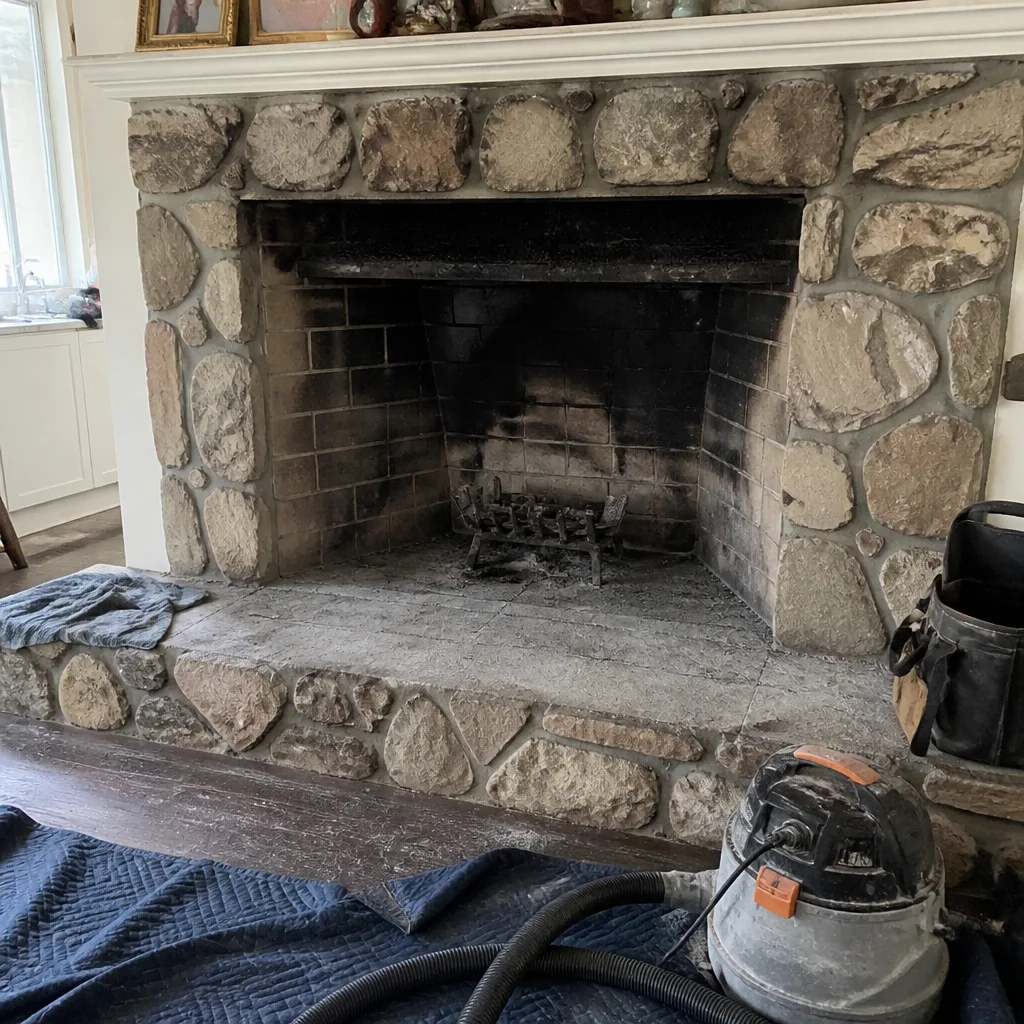 Before
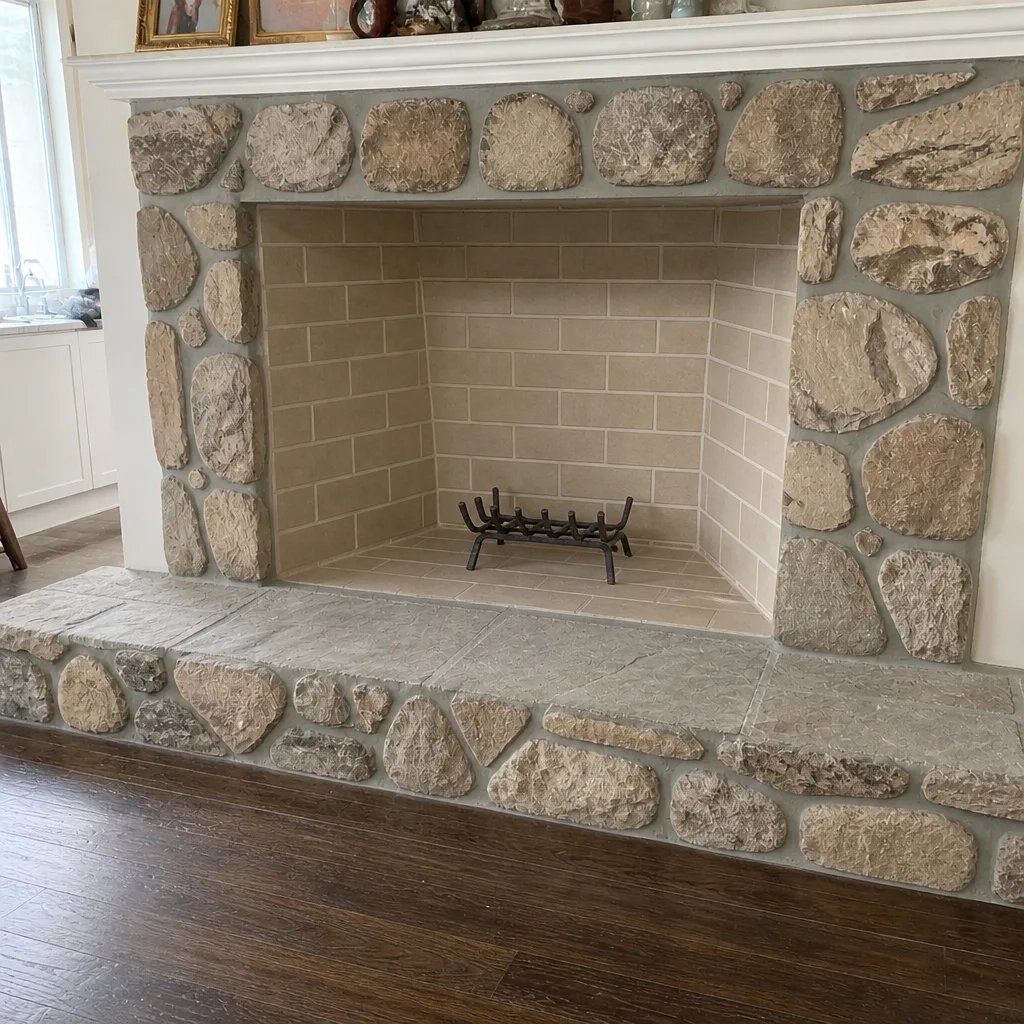 After
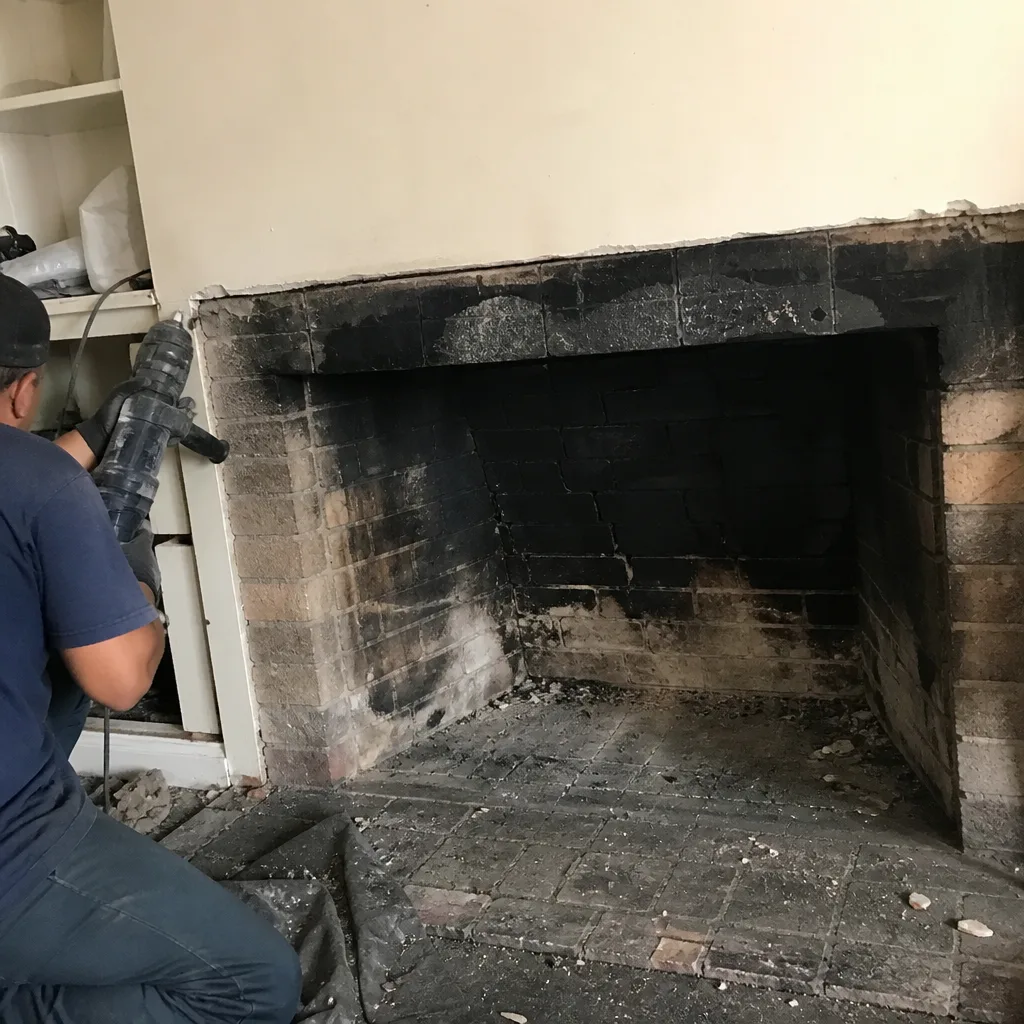 Before
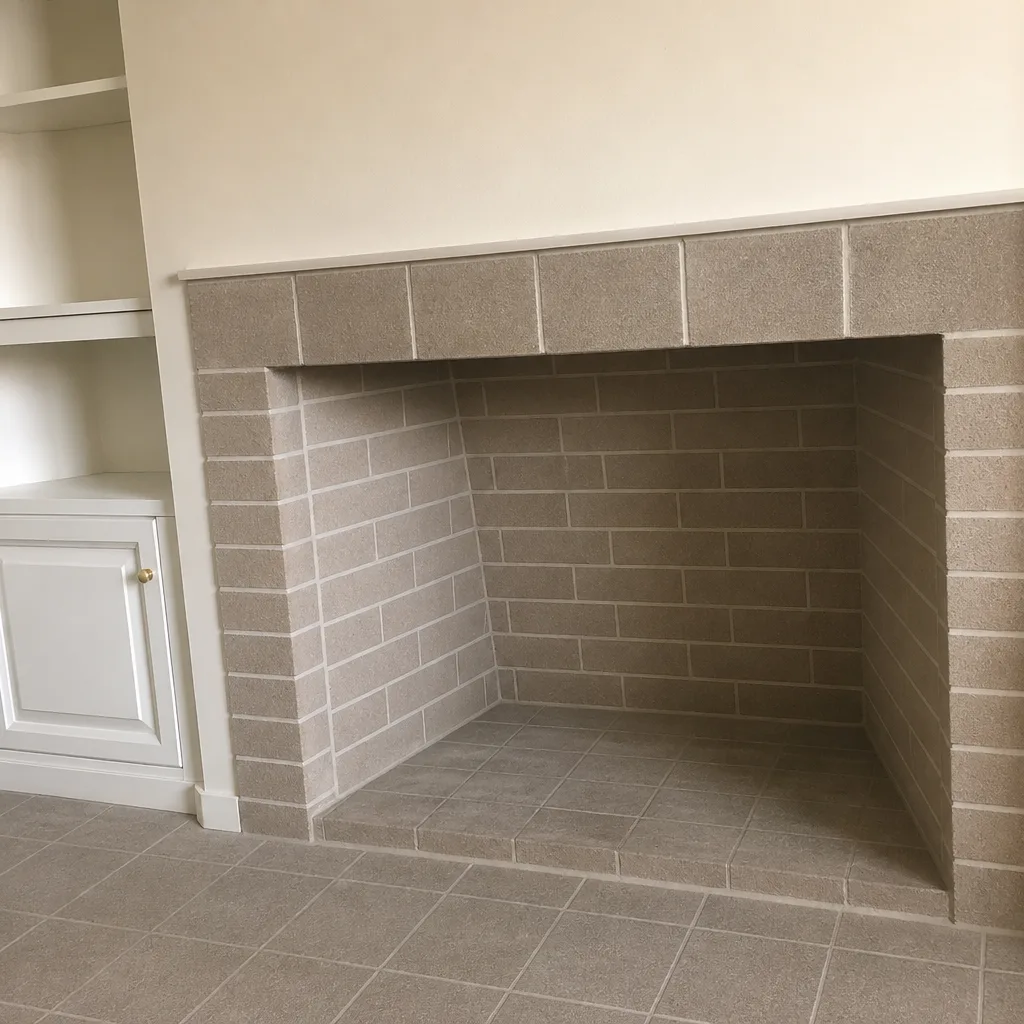 After
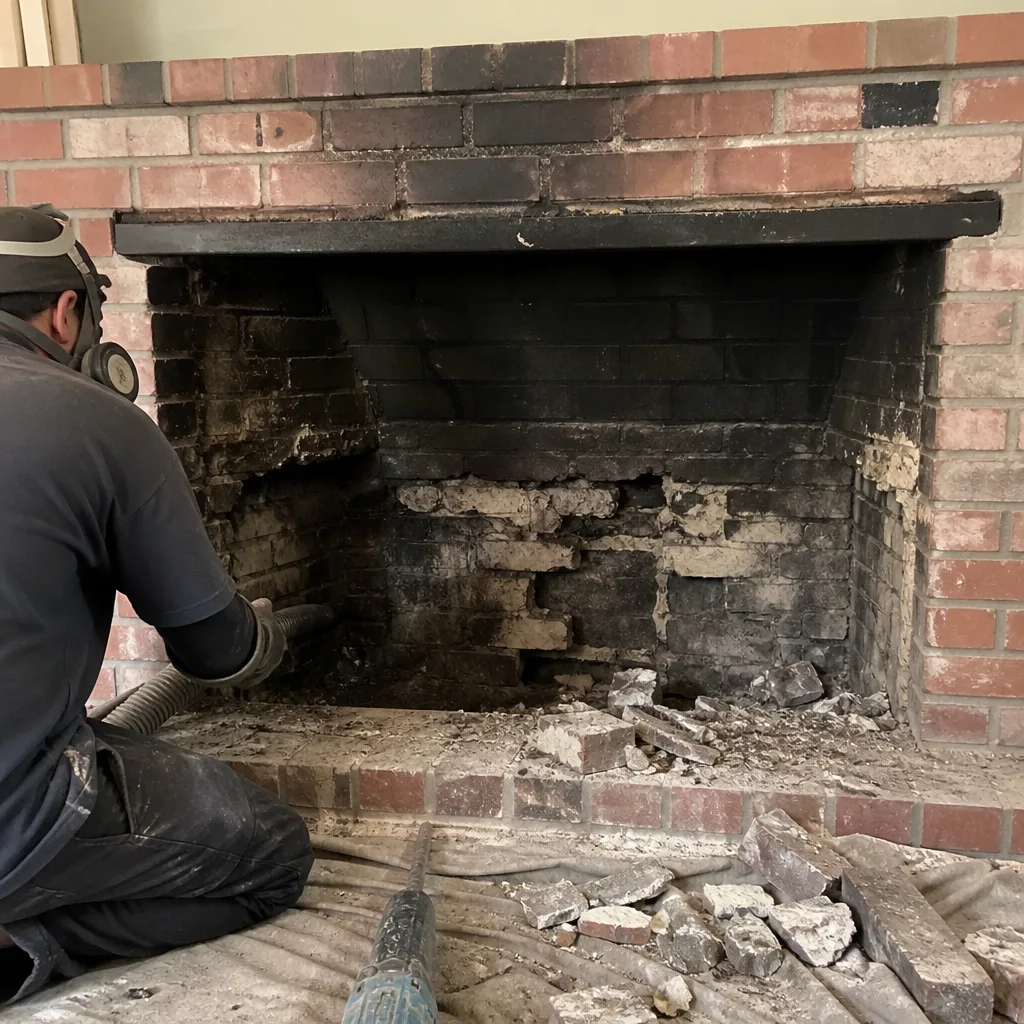 Before
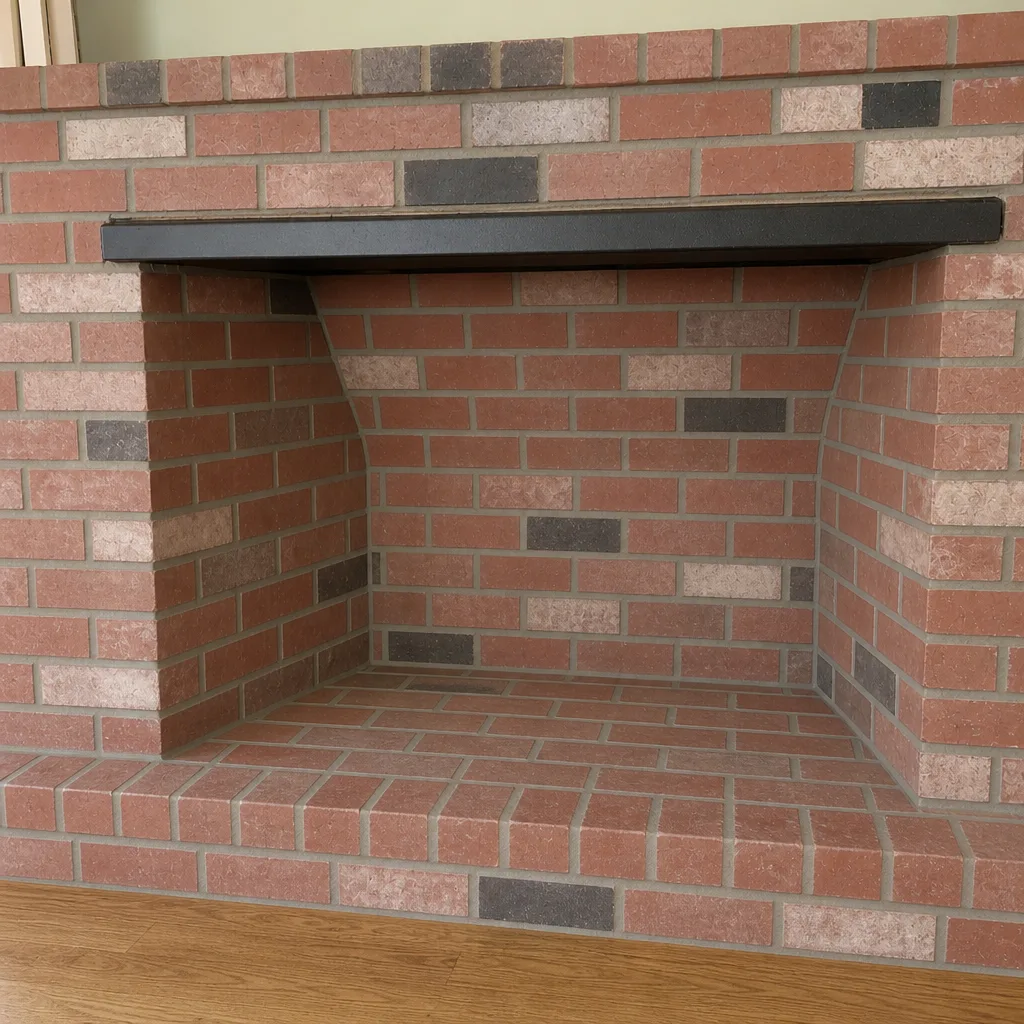 After
When to Call a Professional
Some chimney issues announce themselves: smoke spilling into the living room, a strong creosote smell, water stains on the firebox walls, animals in the flue. Others don’t, and those are the ones that matter. Call us if you’ve never had a Level 2 inspection, if you’ve been told by an inspector or your insurer that repair work is needed, if you’re buying or selling a home with a fireplace in Fullerton, or if it’s been more than a season since your last sweep. Call us if you’re not sure whether a repair needs a permit; we’ll tell you before you commit to anything. Call us if you want a second opinion on a contractor’s recommendation and the evidence behind it.
Fullerton Chimney Sweep offers free estimates in Fullerton. Call (833) 508-9170. We answer 24/7. Fast dispatch from 7am to 7pm, Sunday through Friday. A call outside dispatch hours is booked into the next opening, Sunday through Friday, 7am to 7pm. Our inspections include a camera inspection and photo report, and every estimate is a flat-price sweep agreed before booking, backed by a satisfaction guarantee.
Frequently Asked Questions
No. Routine chimney cleaning and sweeping do not require a permit in Fullerton. A permit becomes necessary when the work crosses into structural repair or alteration, such as liner replacement, firebox rebuilding, or crown replacement. If a sweep finds a problem that needs repair, ask your contractor whether a permit is required before the work begins. Call (833) 508-9170 for an exact quote on your inspection or repair; estimates are free.
In most cases, yes. Flue liner replacement is a structural alteration to the chimney system and typically requires a permit from the City of Fullerton’s building department. The permit ensures the installation is inspected for compliance with California Residential Code Section R1003 and the manufacturer’s listing requirements. If a contractor tells you a full relining job doesn’t need a permit, verify that with the city before work starts. Call (833) 508-9170 to talk through your job; estimates are free.
A Level 1 inspection is a visual check of accessible chimney components, typically done during a routine sweep. A Level 2 inspection includes a camera inspection of the flue interior and is the standard for real estate transactions, after a chimney fire, and for most permit applications and insurance claims. If you’ve been told you need a liner or a repair, request a Level 2 report with photo documentation so you can see the evidence for yourself. Call (833) 508-9170 to schedule; estimates are free.
Search your property address on the City of Fullerton permit portal to see every permit pulled for your address, its status, and the contractor of record. Confirm the contractor named on the permit matches the company doing the work, and read the scope to make sure it matches your written estimate. If the permit isn’t there, it wasn’t pulled. Call (833) 508-9170 if you want to talk through what your inspection found; estimates are free.
Send a CSIA Level 2 inspection report with photo documentation of the flue interior and the specific defect being claimed. Insurers typically want to see the condition documented by a qualified inspector, not just a contractor’s opinion. A report that shows the liner, the crown, the cap, and the clearances gives the adjuster what they need to evaluate the claim. Call (833) 508-9170 to schedule a Level 2 inspection; estimates are free.
The most common are missing or deteriorated caps, cracked crowns, unlined or improperly lined flues, and insufficient clearance to combustibles in homes that have been remodeled. Unpermitted repairs from a previous owner are also common and often surface at resale. None of these are hard to find with a proper inspection, and catching them early is what keeps small problems from becoming liner replacements. Call (833) 508-9170 to schedule; estimates are free.
The Bottom Line
Chimney cleaning in Fullerton doesn’t need a permit, but the repairs it can uncover might. Liner replacement, firebox rebuilding, and crown repair typically require a permit from the City of Fullerton under California Residential Code Section R1003. The permit protects you at resale and with your insurer, and it’s easy to verify on the city’s permit portal before work begins. Get a CSIA Level 2 inspection with photo documentation before you commit to any repair, ask to see the evidence, and choose a contractor who specializes in chimneys and pulls the permit when required. If you’re unsure where your job sits, ask. We’ll tell you plainly.
Written by the team at Fullerton Chimney Sweep.