
Last updated November 25, 2026
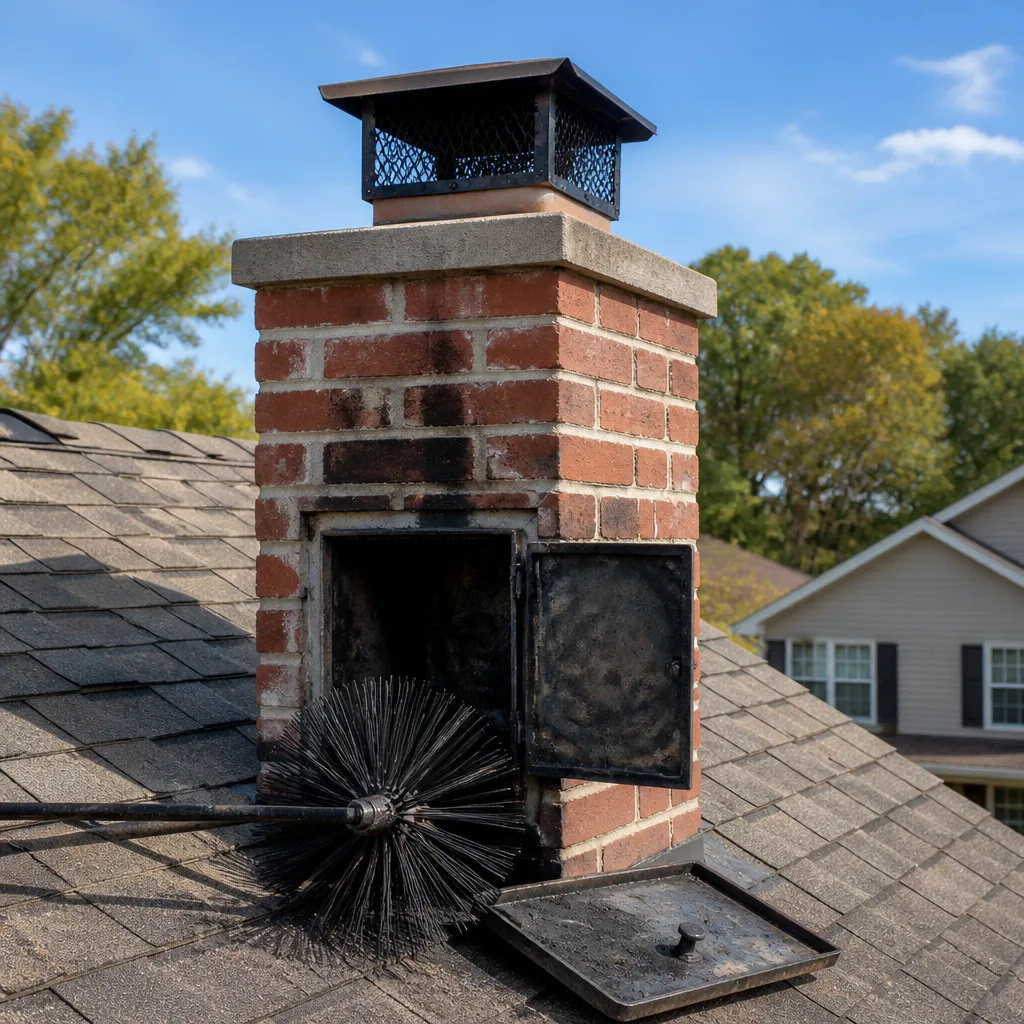 Sweep & inspection
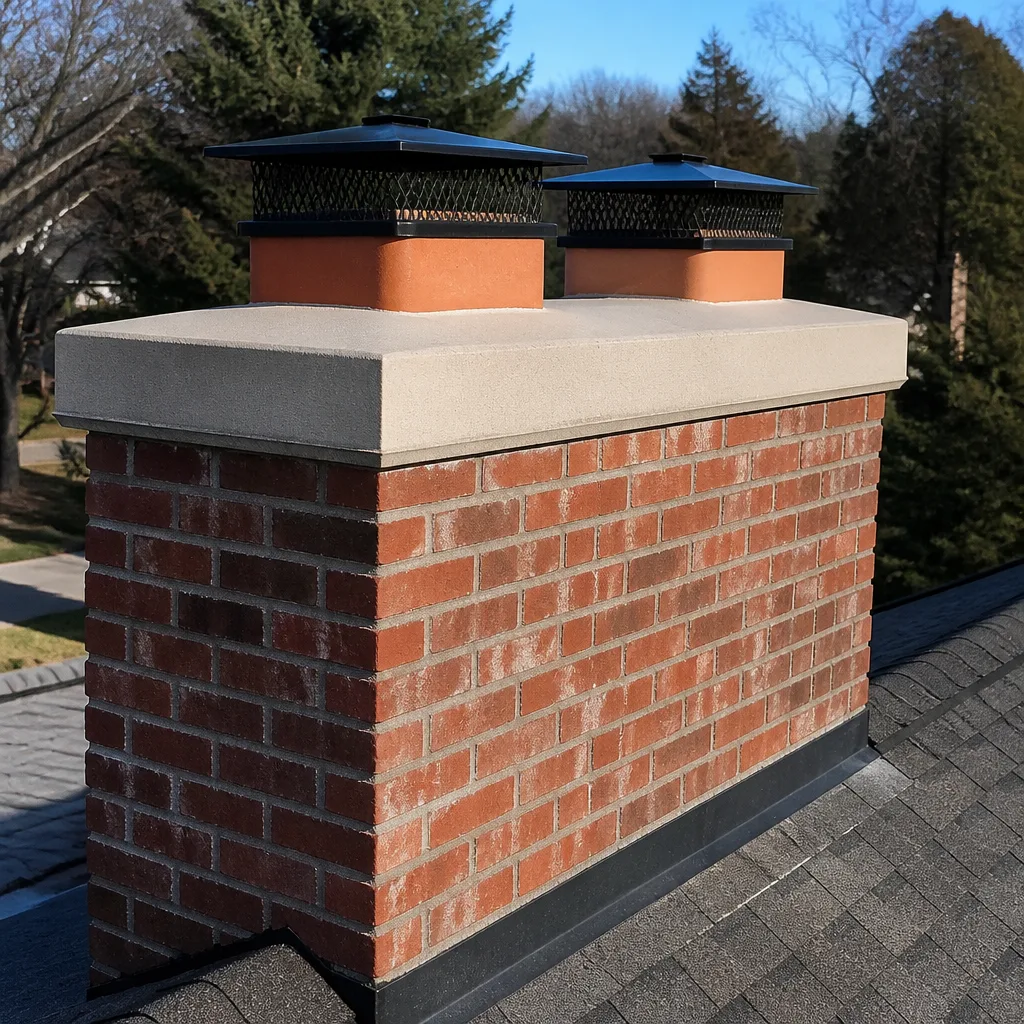 Caps & crowns
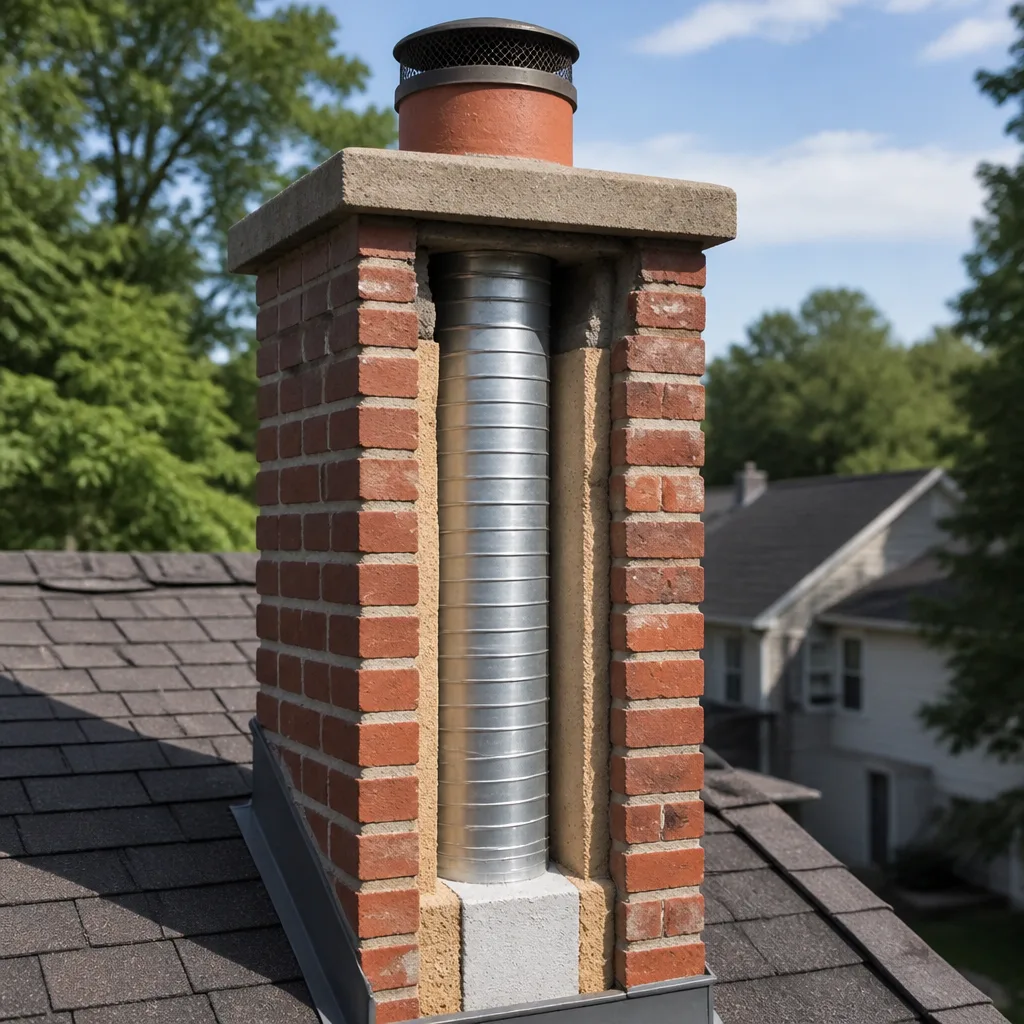 Flue relining
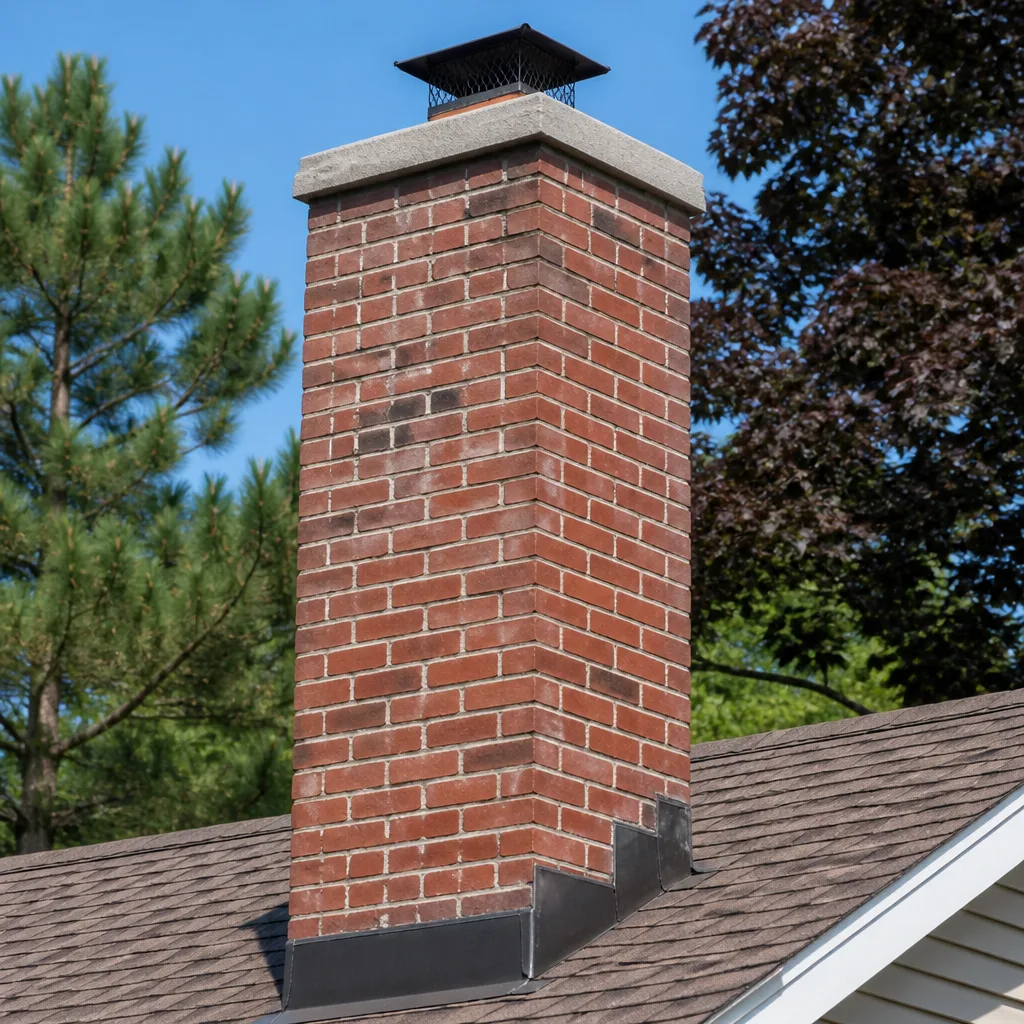 Masonry repair
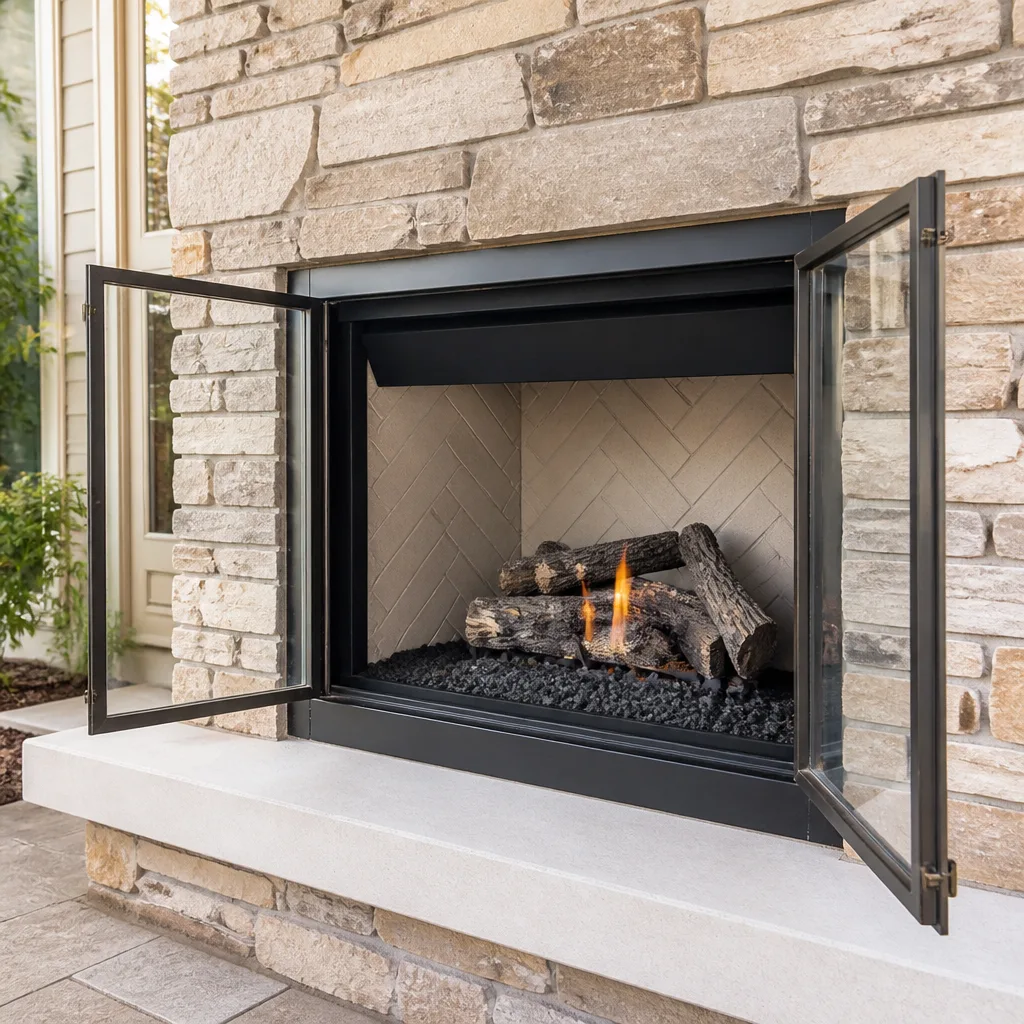 Gas fireplace service
Level 1 sweep and inspection to the NFPA 211 annual standard - flue, crown, cap, and flashing checked and photographed
Chimney sweep logs do not sweep chimneys. They loosen some creosote - which then falls where a brush and vacuum still have to collect it.
Chimney Cleaning Emergency Preparedness Guide for Fullerton Homes
A chimney fire doesn’t always look like a fire. Sometimes it’s a low roar you feel more than hear, a vibration inside the wall, or a sound like a distant train. It can burn itself out in minutes and leave cracked tiles and warped metal behind, damage nobody finds until the next sweep. That’s the part most homeowners miss: the emergency is rarely the flames you can see. It’s the ones you can’t. This guide walks through what to do in the first sixty seconds of a suspected chimney fire, a carbon monoxide event, or an animal in the flue, plus what to document afterward and how to get ready before Fullerton’s dry wind season arrives.
Quick Answer
If you suspect a chimney fire, close the damper if you can reach it safely, get everyone out of the house, and call 911. Don’t open windows to “let smoke out” – that feeds the fire more oxygen. After any chimney emergency, have the chimney inspected by a CSIA-certified technician at Level 2 before you burn again, and document the damage with photos for your insurer. In Fullerton, the dry Santa Ana wind season raises chimney fire risk, so annual sweeping and a properly fitted cap are the real preparedness measures.
Styles & brands we work with
- Sweep & inspection
- Caps & crowns
- Flue relining
- Masonry repair
- Gas fireplace service
Table of Contents
- The First 60 Seconds of a Suspected Chimney Fire
- Carbon Monoxide and Backdraft: Chimney Causes vs. Appliance Causes
- Animal Intrusions Through an Uncapped Flue
- What to Document After a Chimney Emergency
- Which Inspection Level You Need Before Burning Again
- Fullerton’s Santa Ana Wind Risk and How to Prepare
- How to Time a Sweep Before Emergency Season
The First 60 Seconds of a Suspected Chimney Fire
Most people freeze in the first minute of a chimney fire because they can’t tell if what they’re hearing is real. A low rumble, a tapping sound like someone knocking on metal, a sudden dark smoke smell that wasn’t there a moment ago. If you notice any of those, treat it as real. A chimney fire moves fast, and action taken in the first minute is worth more than action taken in the tenth.
- Close the damper. A fully open damper is a chimney. Shutting it cuts the airflow feeding the fire and is the single best thing you can do if the damper handle is reachable without stepping into smoke.
- Leave the house with everyone inside. Don’t stop to grab belongings. Once outside, call 911. Even a fire that seems “out” can reignite in the flue lining or in accumulated creosote higher up.
- Do not open windows or doors near the fireplace. The instinct in a smoke-filled room is to ventilate. In a chimney fire that instinct is backwards. Fresh air drawn into the firebox feeds the fire, and a sudden gush of oxygen can intensify a flue fire beyond what a closed damper was stopping.
- Wait for the fire department to clear the house. Don’t return to the fireplace to inspect it yourself. The chimney may be hot enough to cause contact burns, and the roof structure above needs eyes on it, not a flashlight in the dark.
In our experience, the homeowners who come through a chimney fire with the least damage are the ones who had rehearsed the response mentally at some point. Fullerton homes with older masonry chimneys are especially vulnerable because the flue lining can degrade quietly, leaving gaps where heat moves into the surrounding structure. When that’s the case, a fire that dies in the firebox can still do damage inside the wall. That’s why the inspection after an event matters so much – more on that below.
What a Chimney Fire Can Feel Like
Not all chimney fires sound dramatic. Some are quiet, almost sullen, burning close to the flue wall without enough fuel to roar. Signs worth naming: a puffy, black smoke coming from the cap, a strong hot smell, a sudden increase in smoke coming into the room, or a popping sound from the flue. Any one of those is enough to act.
Carbon Monoxide and Backdraft: Chimney Causes vs. Appliance Causes
Carbon monoxide and chimney problems overlap, but not every CO event points to the chimney. Knowing the difference saves time and tells you who to call first. Broadly, CO events split into two buckets: appliance-side causes and chimney-side causes.
Appliance-Side Causes
These are the ones to call your gas company about first.
- A cracked heat exchanger in a gas furnace, which lets combustion gases into the supply air.
- A gas water heater or furnace that has been recently installed and may have a venting issue.
- A strong smell of gas near an appliance, or a CO alarm that only triggers when a specific unit runs.
If you smell gas, leave the house and call your gas utility and 911. We don’t handle appliance gas lines and neither should any chimney specialist.
Chimney-Side Causes
These are the ones we address.
- Blocked or partially blocked flue. A nest, soot pile, or collapsed tile can block flow and force combustion gases back into the living space.
- Backdraft from pressure imbalance. A modern tightly sealed home can push air down the chimney, especially when a bath fan or kitchen fan runs at the same time.
- Deteriorated flue lining. Cracks and spalling let gases escape into the wall cavity rather than up and out.
- Improperly sized flue for the appliance. A flue that’s too large cools smoke too quickly and can weaken draft.
If your CO alarm sounds and you’re not sure of the source, get out and call 911 first. Once the house is cleared and everyone is safe, a Level 2 inspection gives you a definite answer about whether the chimney is part of the problem. In Fullerton, older homes near the downtown core often have flues that were sized for a different era of heating, and we end up checking more of them than you might expect for exactly this reason.
Animal Intrusions Through an Uncapped Flue
A bird in the firebox is startling but common. A raccoon in the flue is a different problem entirely. Either way, the instinct to light a fire to “smoke it out” is the wrong move, and it’s one we hear about constantly.
Here’s why. Raccoons, squirrels, and birds that get into a chimney are trapped. They can’t climb out the way they went in. Lighting a fire creates a life-threatening situation for the animal and a serious safety situation for you: nests are usually made of dry twigs, grass, and leaves, and they burn fast. A nest fire inside a flue can ignite creosote further up, and the animal itself may panic, wedge itself deeper, and block the flue altogether – which is exactly the condition that sends carbon monoxide into your house. Never burn a nest out.
What to Do Instead
- Contain the room. Close the firebox doors. Keep children and pets out of the room. A raccoon that gets into a living space is a bigger problem than a raccoon in the firebox.
- Turn down the lights. Animals in the firebox settle in the dark. Bright light keeps them agitated.
- Call a chimney professional. Removing an animal from a flue is a chimney job, not an animal control job alone. Both are often needed. Extraction requires working from the top of the chimney or from the firebox with tools sized for the flue, and it must happen without damaging the lining.
- Book a sweep and inspection immediately after removal. Nests pack into tight spaces, and even a light nest leaves debris that affects draft.
- Install a cap. The real fix. A properly fitted cap is the one piece of hardware that makes this kind of emergency stop happening.
We specify Gelco and Famco caps because those brands make chimney tops that are engineered for the specific job: full coverage, secure attachment, and materials that hold up to Southern California sun without warping. Most water damage on Fullerton chimneys starts at the crown and cap anyway, so a cap that seals out rain and animals does double duty.
What to Document After a Chimney Emergency
Insurance companies don’t pay for what they can’t see, and after a chimney fire or an animal emergency the scene changes fast. The best documentation is done before anything gets cleaned up. Here’s what to have in hand.
- Photos of the firebox interior – the firebrick, the damper, and the smoke chamber, taken with the same camera and lighting for consistency.
- Photos of the exterior chimney – from the roofline up. Cracks in the crown, missing mortar, or a damaged cap are all insurable damage, and a photo taken from the ground is often enough to establish the claim.
- Photos of any room-side damage – smoke staining on the mantel, damaged hearth materials, or anything on the wall in front of the firebox.
- The fire department report, if 911 responded. Keep a copy.
- A written, camera-recorded inspection report from a CSIA-certified technician.
The last item matters most. Most insurers won’t accept a claim for chimney-related damage without a professional inspection, and they want one that documents what the flue looked like before and after any repairs. Our inspections follow the NFPA 211 standard levels, which means the report covers safety, structure, and clearances rather than just a photo of the firebox. The camera goes down the flue, we see what’s there, and you get a written photo report you can hand to your adjuster. That last part tends to matter more than homeowners expect, because it also answers the question of whether repairs are actually needed or whether the work can safely wait.
If the emergency included fire suppression water, add photos of any water-damaged ceiling or wall materials to the file. Documentation is time-sensitive. If you’re reading this after an event, take the photos you’re missing first, then call for the inspection.
Which Inspection Level You Need Before Burning Again
Chimney inspections are classified by the National Fire Protection Association, and the levels are stacked. Before you light another fire after any chimney emergency – fire, animal intrusion, a CO event, or a storm event – you need a Level 2 inspection. Not a Level 1. A Level 2.
What Each Level Covers
- Level 1: Readily accessible portions of the chimney, the firebox, and the visible flue. Standard for an annual sweep on a system with no known problems and no changes.
- Level 2: Everything in Level 1 plus video scanning of the flue interior and inspection of accessible attics, crawlspaces, and chimney clearances to combustibles. This is the level required after a chimney fire, after a change of fuel type, after a new appliance connection, and before resuming use after an animal intrusion.
- Level 3: Everything in Level 2 plus removal of parts of the chimney or surrounding structure to access a suspected problem. Reserved for confirmed safety hazards.
If you’ve recently bought a home in Fullerton – and a lot of people have, in neighborhoods across the city – a Level 2 inspection covers the “we don’t know the history” problem outright. It’s also the right level when an insurance company tells you repairs are needed. You don’t want to take the word of an inspector you can’t see the evidence from. You want a camera report, and that’s a Level 2 deliverable.
Why You Can’t Skip the Inspection
A chimney fire that looks over can still leave cracked flue tiles that leak combustion gases into the structure on the next burn. This is the exact scenario that turns a small fire into a carbon monoxide emergency weeks later. The only way to know is to look. If nothing else in this guide stays with you, let it be that one: no fire in the fireplace until the Level 2 report is in your hands.
Fullerton’s Santa Ana Wind Risk and How to Prepare
Santa Ana winds are the wildcard in any Southern California fire conversation, and they matter for chimney readiness in a way that’s easy to underestimate. The winds themselves don’t cause chimney fires. What they do is drop humidity fast and dry out every bit of vegetation and accumulated debris around a home, and the fire risk that follows is higher than at any other point in the year.
For Fullerton homeowners, Santa Ana season is the reason chimney readiness isn’t an annual fire-season checklist item you can push to the fall. The main job is done before the first windy week. What that looks like:
- A sweep before wind season. Creosote that builds over a winter’s use is the fuel a chimney fire needs. Sweeping it out in late summer or early fall means the fuel isn’t there when the dry winds arrive.
- A cap and crown check. Wind-blown debris packs into an uncapped chimney and can block the flue. Cracks in the crown are easier to see and fix when it’s dry. A Gelco or Famco crown, properly installed, seals the top of the chimney against the kind of slow erosion that lets water in all winter.
- Roof-level inspection of the chimney cap and flue screen. Screens bent by prior wind events let animals through. A quick look now saves a wildlife emergency later.
- A ready firebox. Creosote isn’t the only fuel that builds up. Household paper, cardboard, or last season’s wrapping paper stored near the fireplace adds to the risk in ways most people don’t think about.
The full picture here belongs to the Santa Ana wind window, not to a specific date on the calendar. Dry, warm winds are the trigger for the top of the fireplace safety list in Fullerton, and any homeowner who has been through one season of them tends to remember. If you’re new to the area, build your chimney routine around them.
How to Time a Sweep Before Emergency Season
Chimney sweeping is preventative in a way that a lot of home maintenance isn’t. A sweep doesn’t just clean; it’s the moment when mechanical problems get caught, and your best preparation for any emergency is a chimney that’s been looked at before the emergency can happen. The question isn’t whether to sweep, it’s when.
Timing Guidelines
- Annual, at minimum. A wood-burning fireplace that sees regular use needs at least one sweep and Level 1 inspection every year.
- More than annual if you burn a lot. Fireplaces that see daily winter use during cold snaps can build creosote faster than annual. Homeowners who burn a cord or more of wood per winter usually need twice-yearly sweeps.
- Before the season, not after. Sweeping in summer or early fall means you find problems while you still have months to handle them. Sweeping in winter means you find them while you need the fireplace.
- Before the first Santa Ana wind event of the season, if you haven’t swept yet.
- After any event at all. A fire, an animal intrusion, a CO scare, or a major roof storm – a Level 2 inspection follows.
A scheduling reality worth being honest about: chimney work in Fullerton can back up as the weather turns. Homeowners who call in October often find themselves on a wait list. The good news is that an annual chimney sweep in the summer costs the same as one in winter and gives you far more time to act on whatever the inspection turns up. Our technicians have up to 14 years of experience, and the pattern is consistent: the calls that come in before the season are the easy ones. The calls that come in during it are the ones that have a real problem on their hands.
What a Sweep Actually Covers
A proper sweep isn’t just a brush down the flue. It includes brushing the firebox, the smoke chamber, and the flue, cleaning the smoke shelf, checking the damper and the firebox for damage, and visual inspection of the flue from the top. Any deteriorated tile, cracked mortar joint, or damaged cap gets flagged in writing. We use camera inspection on every sweep so you see exactly what we see, and nothing gets recommended without that evidence in front of you.
Common Mistakes to Avoid
- Opening a window or door during a suspected chimney fire. It feels like the right thing to ventilate the smoke. It feeds the fire. Close the damper, get out, call 911.
- Lighting a fire to flush out a nest. Nests burn fast, and burning one can start a flue fire while trapping the animal. Remove the animal and the nest, then inspect.
- Using a Level 1 inspection after a chimney fire. Level 1 doesn’t include video scanning, and a fire leaves damage that’s often invisible from the firebox. Level 2 or nothing.
- Believing “it looks fine” after a fire. A clean-looking firebox can sit on a cracked flue tile for months. The damage that matters is inside the wall, not the part you see.
- Skipping the sweep before Santa Ana season. Creosote is the fuel. Removing it before the dry winds arrive is the actual preparedness step, not cleaning up afterward.
- Leaving a chimney uncapped. Most animal emergencies and a surprising share of water damage start with an open flue top. A proper cap is the fix.
- Relying on a general handyman for chimney work. Chimney systems need someone trained on them specifically. The tools, the codes, and the diagnosis are all different from general repairs.
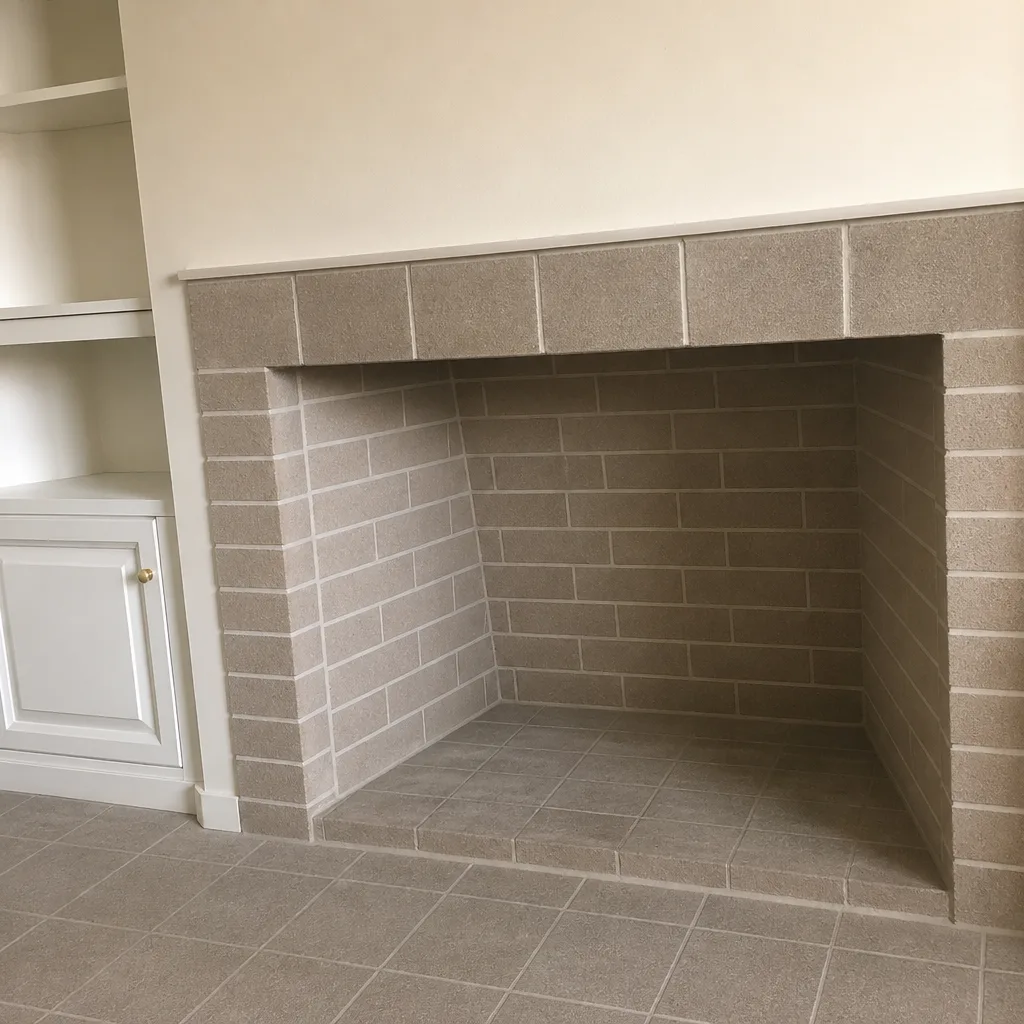
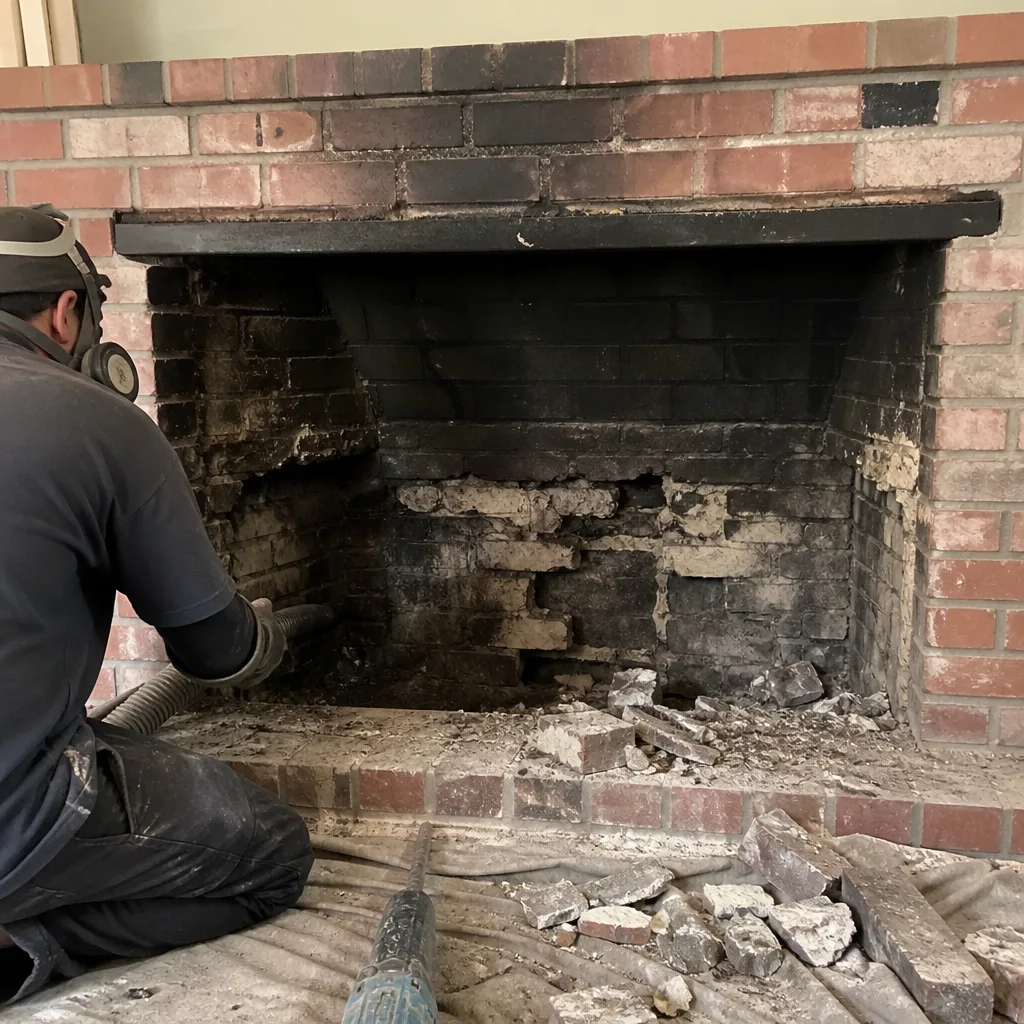
See the difference
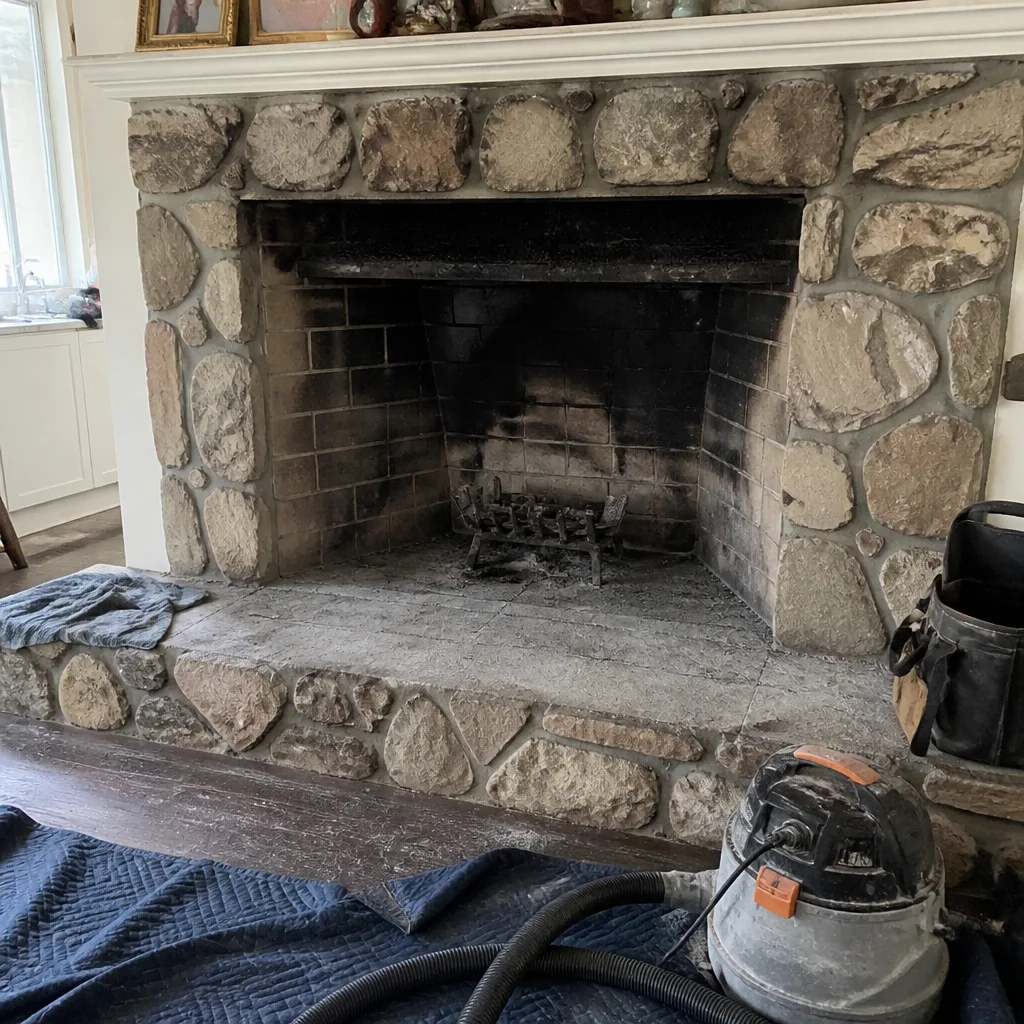 Before
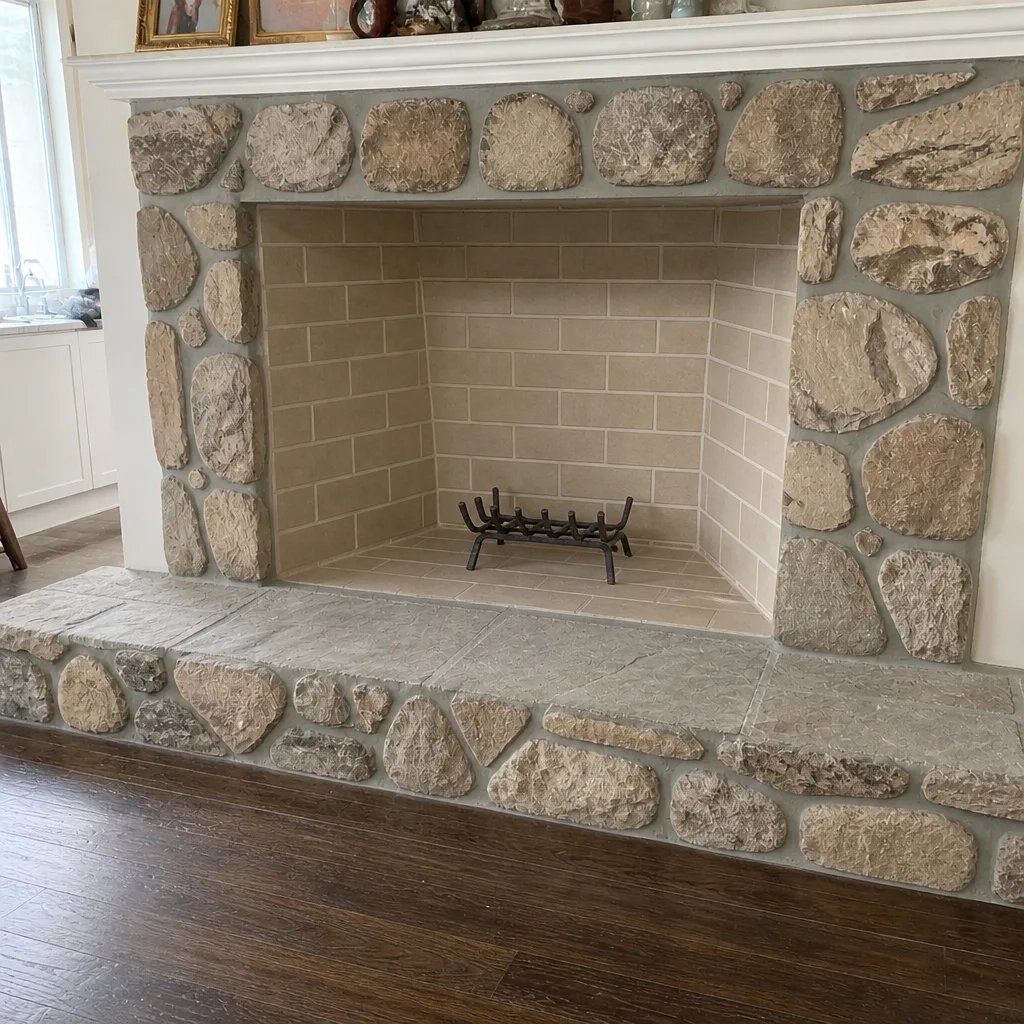 After
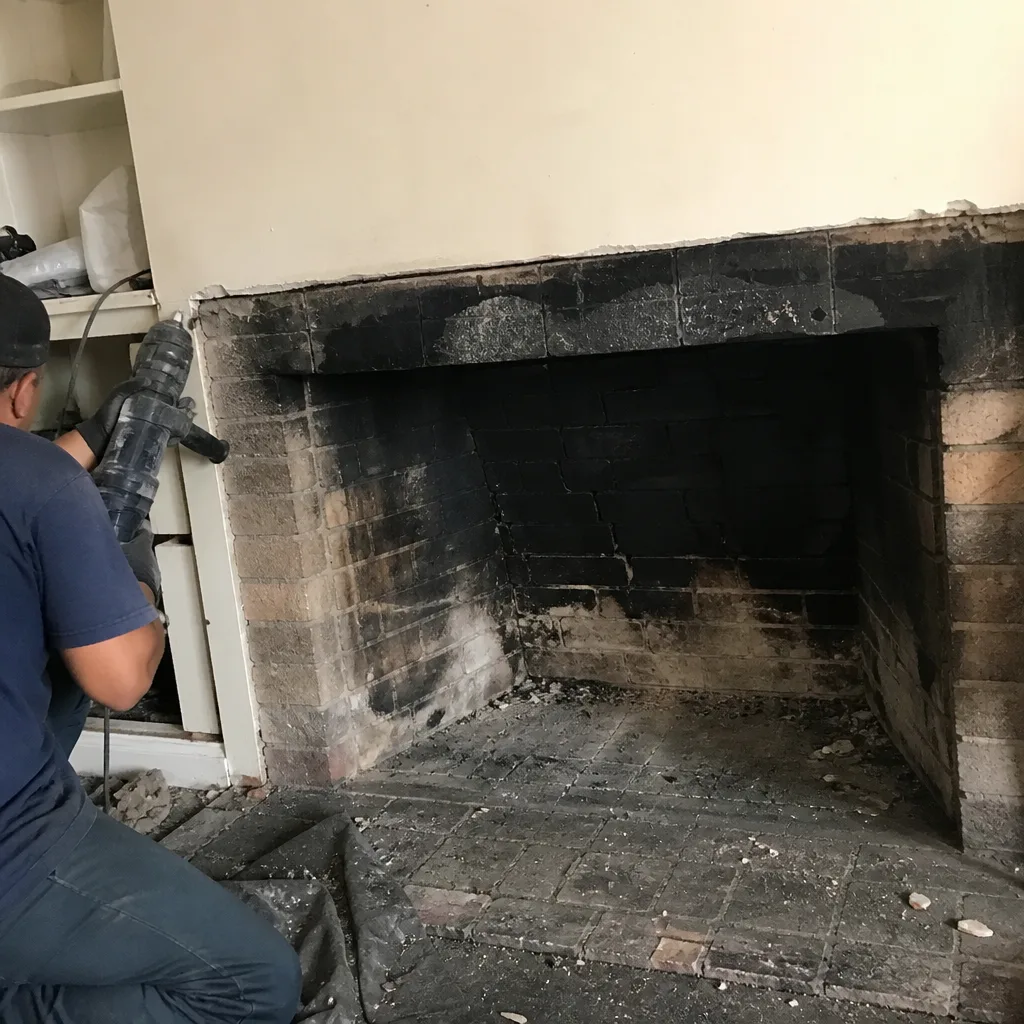 Before
 After
 Before
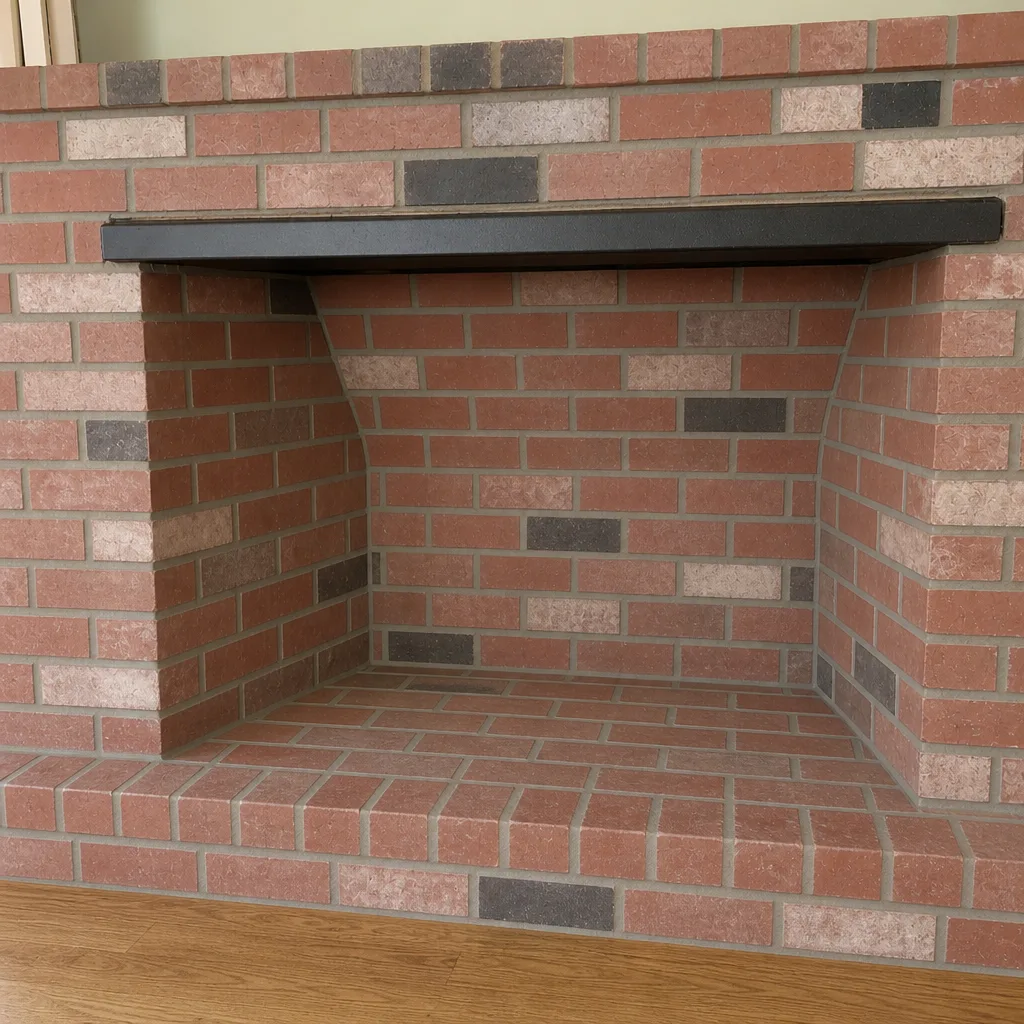 After
When to Call a Professional
Call a professional after any of the following: a suspected or confirmed chimney fire, a CO alarm that could be tied to the flue, an animal intrusion, a visible crack in the crown or missing mortar, smoke coming back into the room when the fireplace is burning, a strong creosote smell on a warm day, or a house purchase where the chimney’s history is unknown. Also call if an inspector or insurance company has told you that work is needed – we can give you an honest second opinion with camera evidence, including telling you when the work can safely wait. Fullerton Chimney Sweep offers free estimates in Fullerton – call (833) 508-9170.
Frequently Asked Questions
You may have had a chimney fire if you’ve heard a low roar or popping from the flue, seen puffy black smoke from the cap, or noticed a sudden strong burning smell. Many chimney fires burn quietly and leave no obvious sign, which is why a Level 2 inspection after any suspicious event matters more than trying to diagnose it yourself. Call (833) 508-9170 for an inspection.
No. Do not light another fire until a CSIA-certified technician has completed a Level 2 inspection, which includes video scanning of the flue. Fires can crack flue tiles and open gaps that leak combustion gases into the structure on the next burn. Call (833) 508-9170 to schedule one – estimates are free.
It’s not a same-minute emergency, but it’s a same-day problem. Don’t light a fire. Close the firebox doors, keep pets and children out of the room, and call for extraction. Once the bird is out, sweep and inspect the flue before burning, then install a cap so it doesn’t happen again. Call (833) 508-9170.
Leave the house and call 911. Once everyone is safe, the next step depends on the source. A gas appliance with a suspected gas line issue needs your gas company. A blocked, damaged, or backdrafting chimney needs a sweep with Level 2 inspection capability. We handle the chimney side. Call (833) 508-9170 for an inspection.
Indirectly, yes. The dry winds don’t ignite chimneys, but they dry out vegetation and debris and elevate fire risk across the region. The preparation step is sweeping creosote out before the winds arrive, not afterward. Call (833) 508-9170 to book a sweep before the season.
At least once a year for a regularly used wood-burning fireplace, and more often if you burn heavily. In our experience, homeowners in Fullerton who burn a cord or more per winter benefit from two sweeps. Sweep in summer or early fall so any problems the inspection uncovers have time to be handled before you need the fireplace. Call (833) 508-9170 to book.
The Bottom Line
Chimney emergencies are rare, but they’re not hypothetical, and the best preparation is not a panic plan. It’s the boring stuff done on schedule: an annual sweep, a Level 1 inspection, a properly fitted and installed cap using products from Gelco, Famco, or Olympia Chimney, and a Level 2 inspection after anything unusual. Know the first sixty seconds of a fire response, don’t light a fire to flush an animal, and don’t treat a fire that “seemed out” as the end of the story. Fullerton’s dry winds and older housing stock make these steps more important than the average guide suggests. Have the number ready, know the steps, and call before the emergency, not after.
We work on the whole chimney system, not just the part you can see. From a routine sweep and inspection through fireplace repair, cap and crown work, and chimney repair, our focus is chimney systems specifically. If you’ve had a scare, or if you’re new to a home and don’t know its history, we can help. Call (833) 508-9170 for a free estimate. We answer 24/7. Fast dispatch from 7am to 7pm, Sunday through Friday, and we’re closed Saturday. You can also start by learning more about Fullerton Chimney Sweep.
Written by the team at Fullerton Chimney Sweep.