
Last updated November 25, 2026
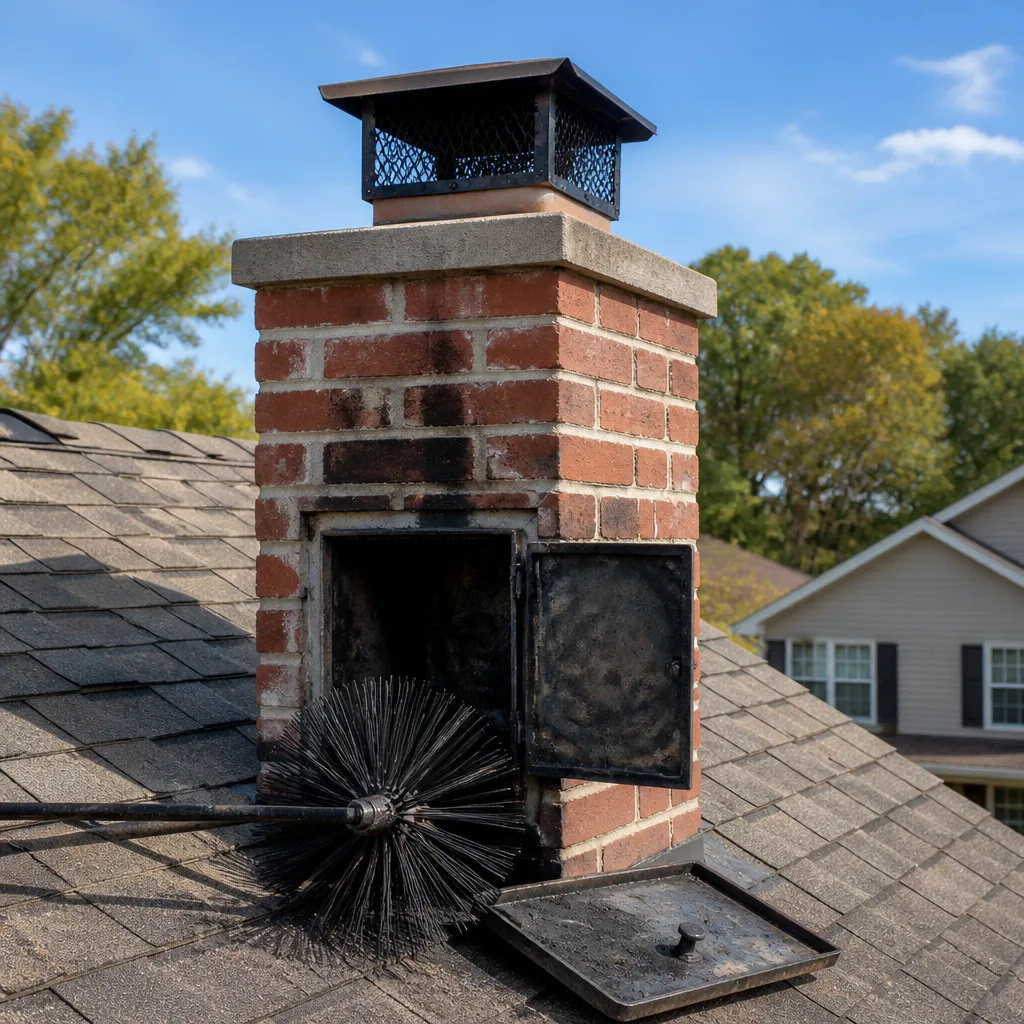 Sweep & inspection
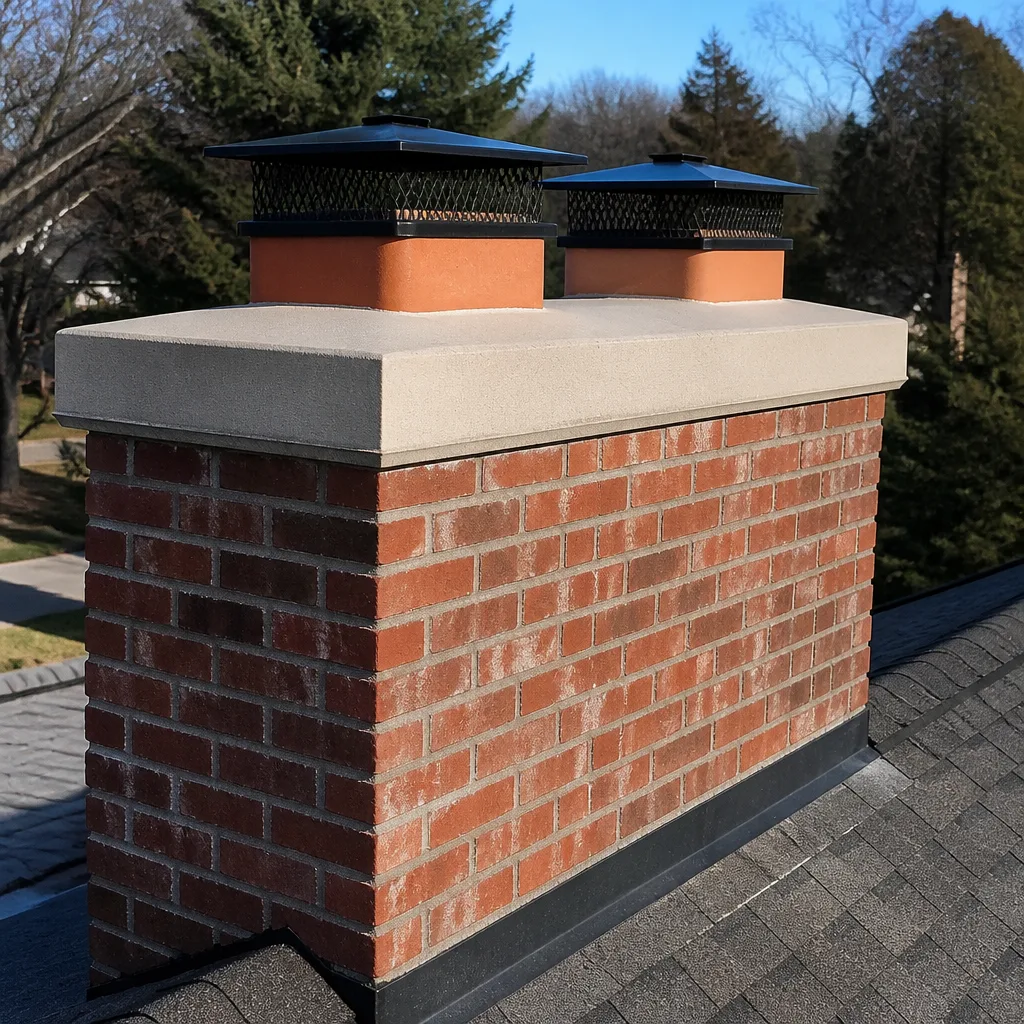 Caps & crowns
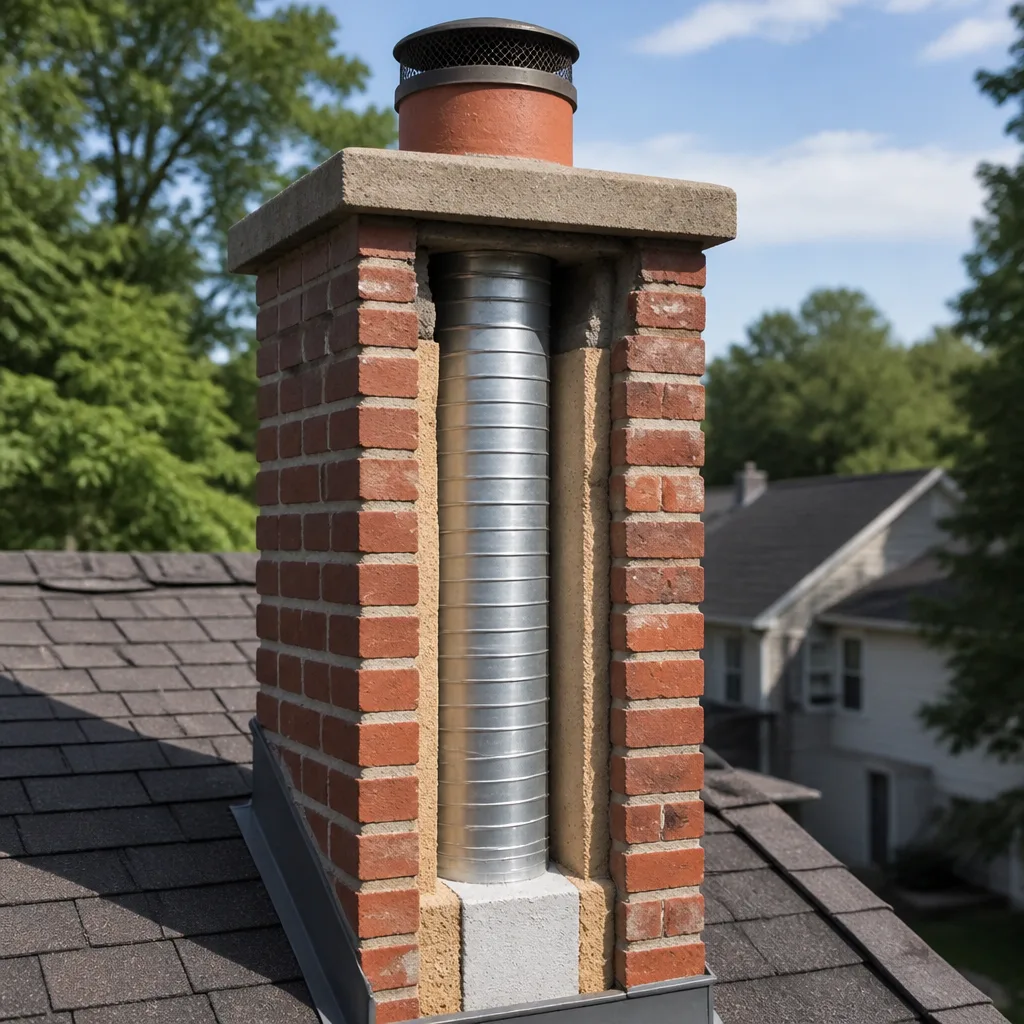 Flue relining
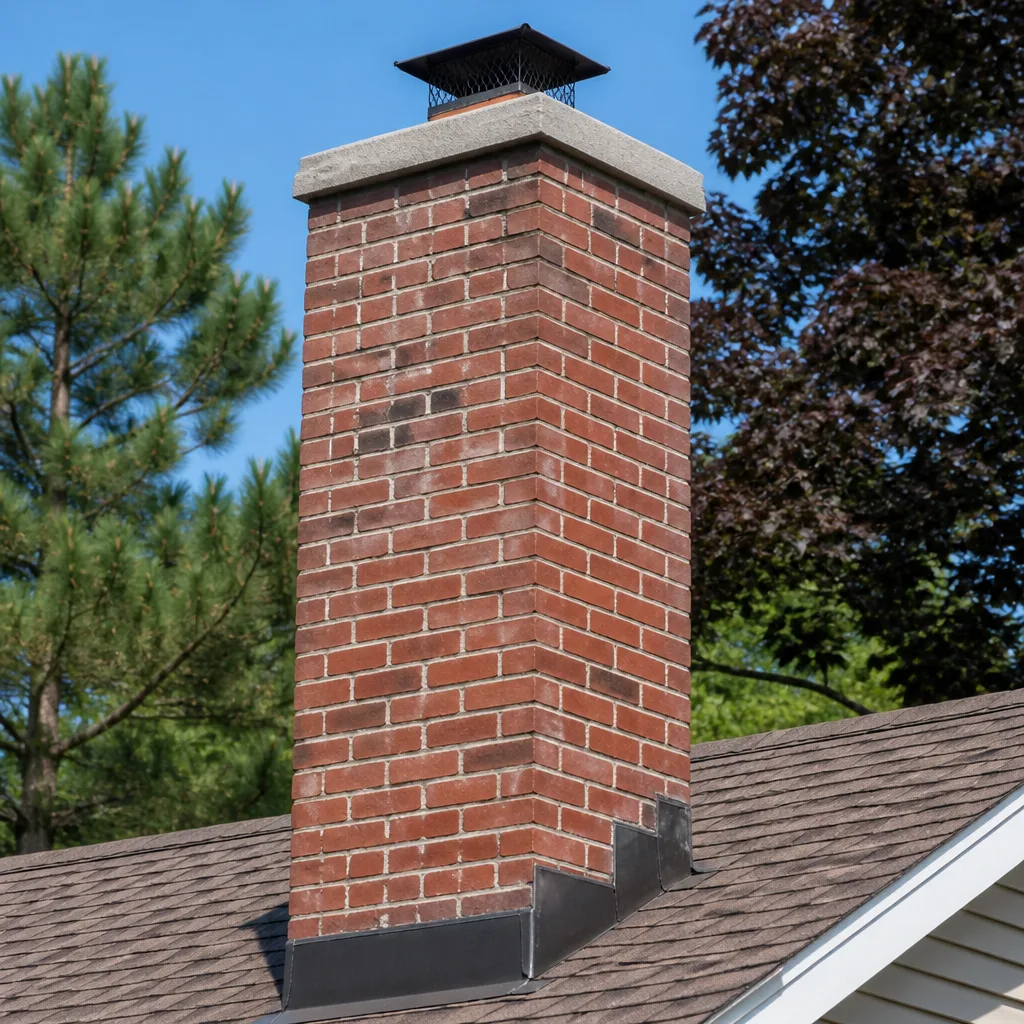 Masonry repair
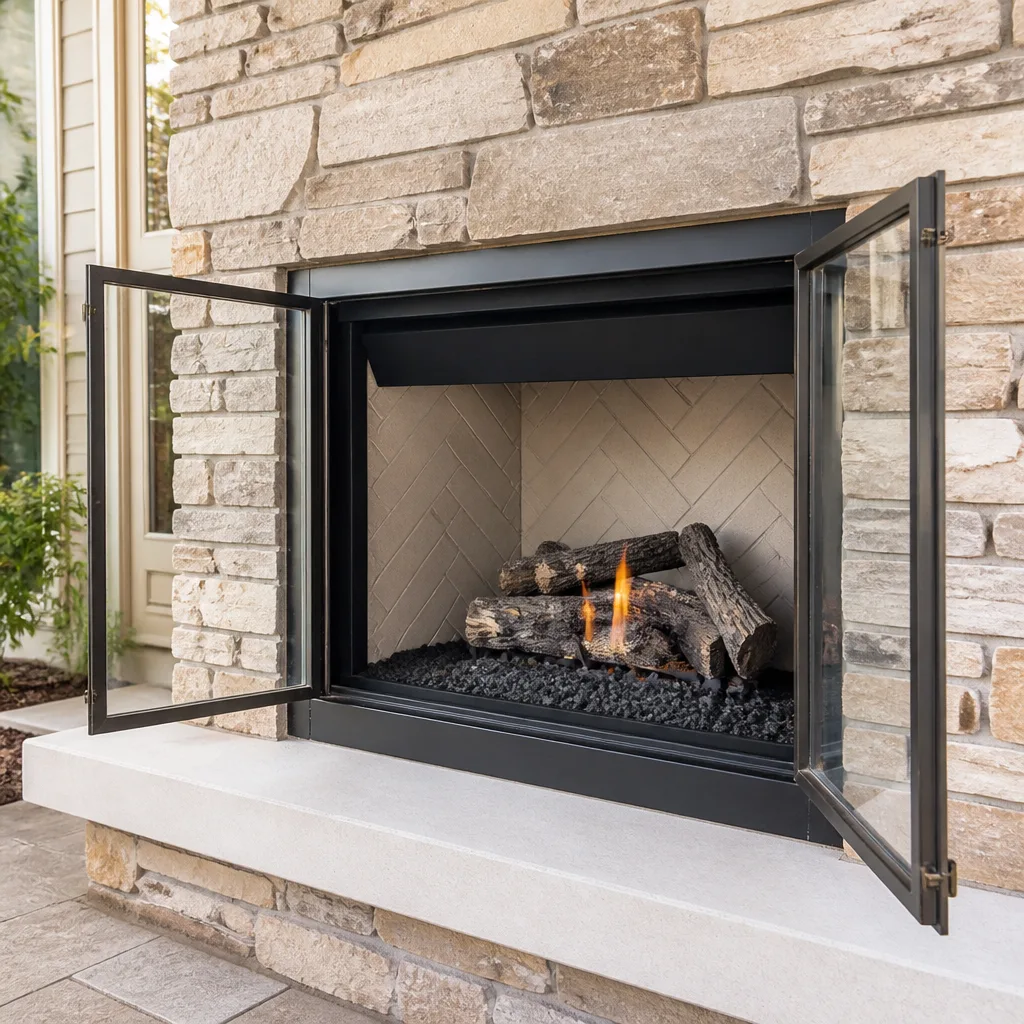 Gas fireplace service
Level 1 sweep and inspection to the NFPA 211 annual standard - flue, crown, cap, and flashing checked and photographed
Chimney sweep logs do not sweep chimneys. They loosen some creosote - which then falls where a brush and vacuum still have to collect it.
Chimney Cleaning Cost Breakdown: The Fullerton Homeowner’s Reference for 2026
That $79 sweep coupon you found online covers a visual look and a quick brush pass. It doesn’t cover the Level 1 inspection most reputable companies fold into a cleaning, and it definitely doesn’t cover what happens when the technician pulls a camera out and finds glazed creosote or a cracked flue tile. Fullerton has a lot of older homes with unknown chimney histories, and the gap between a cheap cleaning and a real one is where the bills hide. In this reference we lay out what each service tier actually costs in the Fullerton and Orange County market for 2026, the five variables that drive every quote up or down, and a scope checklist you can hold against any estimate so you’re comparing identical work instead of two different bottom lines.
Quick Answer
A standard chimney cleaning with a Level 1 inspection in Fullerton typically runs $180 to $340 for a straightforward masonry flue, and a Level 2 inspection with a camera adds roughly $100 to $200. Creosote removal beyond a routine brush out, flue relining, and cap or crown work are quoted separately and usually start in the several-hundred-dollar range and climb from there depending on height, access and material. The written estimate you get before any work begins always sets the final price.
Styles & brands we work with
- Sweep & inspection
- Caps & crowns
- Flue relining
- Masonry repair
- Gas fireplace service
Table of Contents
- What a chimney cleaning actually includes
- 2026 service tier pricing in Fullerton
- The five variables that drive your quote
- Why an inspection must be a line item
- Creosote classification and what it costs
- Professional-grade materials versus hardware-store substitutes
- How to compare quotes apples-to-apples
- Common mistakes to avoid
What a Chimney Cleaning Actually Includes
A chimney cleaning is not one task. It’s a set of tasks, and the honest ones take longer than a ten-minute brush pass. When we talk to Fullerton homeowners who’ve been quoted a suspiciously low number, the difference usually comes down to what got left out.
A proper cleaning starts with protecting the floor and nearby surfaces, then working the flue with the correct brush size for the material. Masonry gets a poly brush; stainless liner systems call for something gentler that won’t score the wall. From there the firebox and smoke chamber get scraped and brushed, the damper is checked for smooth operation, and everything ends with a HEPA vacuum so no dust escapes into the room. A visual check of accessible components finishes the job.
What separates a real cleaning from a coupon special:
- Floor and hearth protection with drop cloths and a vacuum running the whole time
- The right brush for the flue material, not one universal brush
- Scraping of the firebox and smoke chamber, where creosote sets hardest
- Damper and cap check, since both affect draft and safety
- A written description of what was found, not just “you’re all set”
If you’re weighing what a fair price looks like, our chimney sweep page lays out the standard service. In Fullerton, most homes have a straightforward masonry flue with a firebox that sees moderate winter use, so a standard cleaning is usually the whole story. It’s when the inspection turns up deterioration that the scope grows, and that’s the part this guide helps you predict.
2026 Service Tier Pricing in Fullerton
The single biggest reason homeowners get surprised by a chimney bill is that they booked one service and got quoted for another. Below is a typical price range by tier for the Fullerton and Orange County market in 2026. Treat these as estimates and as a way to sanity-check a quote, not as a fixed schedule. The local professional we connect you with confirms the actual price in writing before any work starts.
- Standard cleaning with Level 1 inspection: typically $180-$340
- Level 1 inspection as a standalone visit: typically $100-$200
- Level 2 inspection (camera, more in-depth): typically $250-$450, or roughly $100-$200 beyond the cleaning
- Creosote removal beyond routine brushing (heavier deposits): typically $250-$600, depending on severity and method
- Relining with a stainless system (e.g. DuraFlex): quoted per job, generally several thousand dollars and up for a full reline
- Cap replacement (e.g. Copperfield or Gelco products): typically $250-$650 installed, depending on style and fit
- Crown repair or rebuild: quoted per job based on size and condition
Two things drive the spread. First, a cleaning is priced on effort, and effort scales with height and access. A single-story ranch in the Fullerton flats is a different job than a two-story home near the hills. Second, add-on scope discovered during inspection is quoted separately, which is exactly how it should be. You should be able to see the number for the core service, then a separate number for anything the inspection turns up, with the reason written down.
What you should not see is a “diagnostic charge” or a “trip fee” that appears only at the end. When we work with local professionals, the estimate is free, and the written estimate sets the final price. The Fullerton Chimney Sweep home page is a good place to see the full spectrum in context.
The Five Variables That Drive Your Quote
Chimney pricing isn’t random. Five variables explain almost every difference between two quotes for the same house. Understand them and you can read a bid like a tradesperson.
- Chimney height and roofline. Taller flues and steeper roofs take more time and safer setup. A two-story chimney with a difficult pitch takes longer than a low, accessible one, and the quote reflects it.
- Flue type: masonry versus factory-built. Masonry flues are brushed and scraped differently than a factory-built system with a stainless liner. Factory-built sections can call for specialized tools and a closer look at joints, which changes labor and sometimes material.
- Creosote classification. Light, flaky creosote is routine brushing. Glazed, hardened creosote (the tar-like stage) requires more aggressive removal and can turn a cleaning into a much bigger job. This is the single most common reason a quote changes mid-service.
- Accessibility. A chimney you can reach safely from a roof that’s walkable is straightforward. A chimney behind a steep ridge, with a cap that’s bolted down hard, or with a firebox crowded by a tight hearth layout slows a technician down and adds to the labor.
- Add-on scope found during inspection. A cracked crown, a missing cap, deteriorated mortar, or a damaged liner tile all become line items. These are quoted after the inspection, and a good company shows you the photo or camera evidence before recommending a thing.
When you see a quote, ask yourself which of these five the number is accounting for. If a quote doesn’t mention height, flue type, or accessibility, the pricing is a guess, and guesses have a way of getting revised once the technician is on the roof.
Why an Inspection Must Be a Line Item
Here’s the trap worth understanding. Quotes that don’t include an inspection as a separate, named line item almost always create surprise upsells. A cheap cleaning that “includes a look” is not the same as a documented inspection, and when the technician discovers the real problem, the price jumps. The homeowner feels blindsided, and the company looks opportunistic, even when the repair is legitimate.
A proper inspection follows a defined scope. Chimney inspections are commonly aligned with NFPA 211 levels, each covering different ground:
- Level 1: a visual check of accessible components during a routine cleaning. Covers the firebox, damper, accessible flue sections, and obvious condition issues.
- Level 2: adds a camera inspection of the flue and more detailed evaluation, often needed after a chimney fire, a property change, or a change in fuel or appliance.
- Level 3: a targeted, invasive inspection when a specific problem is suspected and requires opening up parts of the structure to confirm.
A quote that names “Level 1 inspection” on its own line tells you the scope is defined. A quote that only says “sweep” and then adds “inspection available on request” is telling you the pricing is set up to grow. When you book, ask directly: “Is the inspection included, and at what level?” You want a company that answers without hesitation and puts it in writing.
We’ve seen how much cleaner a job goes when the inspection is priced up front and the findings come with photos. That’s the standard our chimney inspection and chimney repair work is built around: nothing is recommended without camera evidence you can see for yourself. And when a chimney is safe for now, we say so plainly, because work that can wait should wait.
Creosote Classification and What It Costs
Creosote is the black, tarry residue that builds up on the inside of a flue as wood burns. It matters for two reasons: it’s the fuel for chimney fires, and its severity is the number one variable that turns a routine cleaning into an expensive one. Understanding the stages helps you predict where you’ll fall.
The common way the industry grades it is in three stages:
- Stage 1 – flaky and dusty. Soft soot that brushes away easily. This is what a standard cleaning handles, and it’s the best case for pricing.
- Stage 2 – crusty and flaky. Harder deposits that cling to the flue wall. Still removable with scraping and brushes, but it takes longer and requires more care.
- Stage 3 – glazed and tar-like. Hardened, shiny creosote that standard brushing won’t touch. This stage typically calls for specialized removal methods, and the job can be significant. It’s also the stage that signals a chimney has been run hot and restricted, so a thorough inspection follows.
Why creosote forms depends on how the fireplace is used. Burning unseasoned or wet wood, restricting the air supply, and letting deposits accumulate between cleanings all push the buildup faster. In Fullerton, winters are mild, so many households run the fireplace in bursts rather than steadily. Short, cool burns tend to leave more residue than a hot, well-ventilated fire. A schedule that matches your actual burning habit matters more than a rule of thumb.
If a technician tells you your chimney is at Stage 3, that’s a serious finding, but it’s not a scare tactic. The right response is a clear explanation of why it happened, the plan to remove it safely, and photo or camera evidence. If someone tells you a liner replacement is urgent, ask to see the footage before agreeing to anything.
Professional-Grade Materials Versus Hardware-Store Substitutes
When a quote includes a cap, a damper, or liner work, the material matters as much as the labor. The difference between a professional-grade product and a hardware-store substitute isn’t branding, it’s service life and fit. This is one area where it pays to look beyond the bottom-line number.
Here’s how the products we work with come into a job:
- HeatShield is a ceramic resurfacing system used to restore a deteriorated flue liner without tearing out the existing structure. It’s an industry-recognized solution for liners that are cracked or spalling but still have enough integrity to be resurfaced. Not every chimney is a candidate, which is why the inspection comes first. Generalists don’t typically have access to this product or the training to apply it correctly.
- DuraFlex is a flexible stainless-steel liner system for full relining jobs. When the original flue is beyond resurfacing, a stainless system can restore a safe flue. It’s specified because it’s what the job calls for, not because it’s the cheapest option.
- Gelco and Famco make caps and crown components engineered specifically for weather protection. A cap that fits loosely or a crown that’s just a thin smear of mortar lets water in, and water intrusion is the root of most chimney damage we see. A proper cap and crown installed with the right products is the cheapest insurance against bigger repair bills.
The Fullerton climate doesn’t hit chimneys with hard freeze-thaw the way colder regions do, but water still does the damage. Rain blowing against an uncapped flue, a crown with hairline cracks, and a firebox that never dries out all shorten a chimney’s life. That’s why we spec the top-of-chimney pieces seriously. Most water damage starts at the crown and cap. Getting them right is the difference between a chimney that lasts and one that needs masonry work in a few years.
How to Compare Quotes Apples-to-Apples
Three quotes for “chimney cleaning” can range from $79 to $400 and describe wildly different work. Comparing them on price alone is comparing apples to lightbulbs. The fix is a scope checklist. Bring the same questions to every company and judge the answers, not just the bottom line.
Use this numbered list to score each quote:
- Is the inspection named and leveled? Look for “Level 1 inspection included” or “Level 2 inspection, camera included.” If it’s vague, ask.
- Is the cleaning method specified? Brush type, firebox scraping, and vacuum type should be described or confirmed.
- Is the price itemized? Core cleaning on one line, inspection on another, and any add-ons as separate lines. A single lump sum hides the scope.
- Is the add-on scope quoted in writing if discovered? Ask what happens if the inspection finds a problem. The answer should be a separate written estimate, not a verbal surprise.
- Are the materials named? A cap or liner quote should say what product is being installed. “Standard cap” is not a product.
- Is there a stated process for showing evidence? Camera photos and a written report should be part of the deal, so you can verify what you’re paying for.
- Is the estimate free and the price fixed before work? A written estimate should set the final price. Ask what could change it and why.
When you’re comparing two quotes that both score well, price can break the tie. When one scores badly on scope, the lower number is usually the more expensive path once the surprise add-ons land. If you need a deeper repair conversation, the fireplace side of the house is covered through our fireplace repair service, which handles the firebox, damper and surround work that often gets quoted alongside a cleaning.
Common Mistakes to Avoid
- Booking a sweep with no inspection in the scope. A cheap sweep that includes only a “visual look” leaves you blind to the actual condition of the flue. Insist on a named inspection level before you book.
- Comparing bottom lines instead of scope. Two quotes for the same house can differ because one includes the inspection, vacuum, and firebox scraping and the other doesn’t. Use the checklist, not the number alone.
- Ignoring the cap and crown until water shows up. In Fullerton, rain against an uncapped flue is quiet damage. A missing or loose cap is one of the most common problems we see on older homes, and it’s a cheap fix compared to what it prevents.
- Letting an inspector talk you into a liner without evidence. A liner replacement is a significant cost. Ask to see the camera footage and the written findings before you agree. A company that won’t show you is a company to walk away from.
- Burning wet wood to save money. Unseasoned wood deposits creosote faster and pushes your chimney toward Stage 3. Dry, seasoned wood burns cleaner and costs less in cleaning over time.
- Skipping the sweep because the fireplace “works fine.” A chimney can draft well and still be accumulating a hazard. Regular cleaning and inspection catch the problem before it becomes a fire risk.
- Assuming the same schedule fits every home. A household that burns cord after cord needs more frequent cleaning than one that lights the fire a dozen times a season. Match the schedule to your habits, not a generic rule.
One more worth adding: don’t take a quote over the phone from a company that won’t come look. The five variables above need a set of eyes on the chimney.
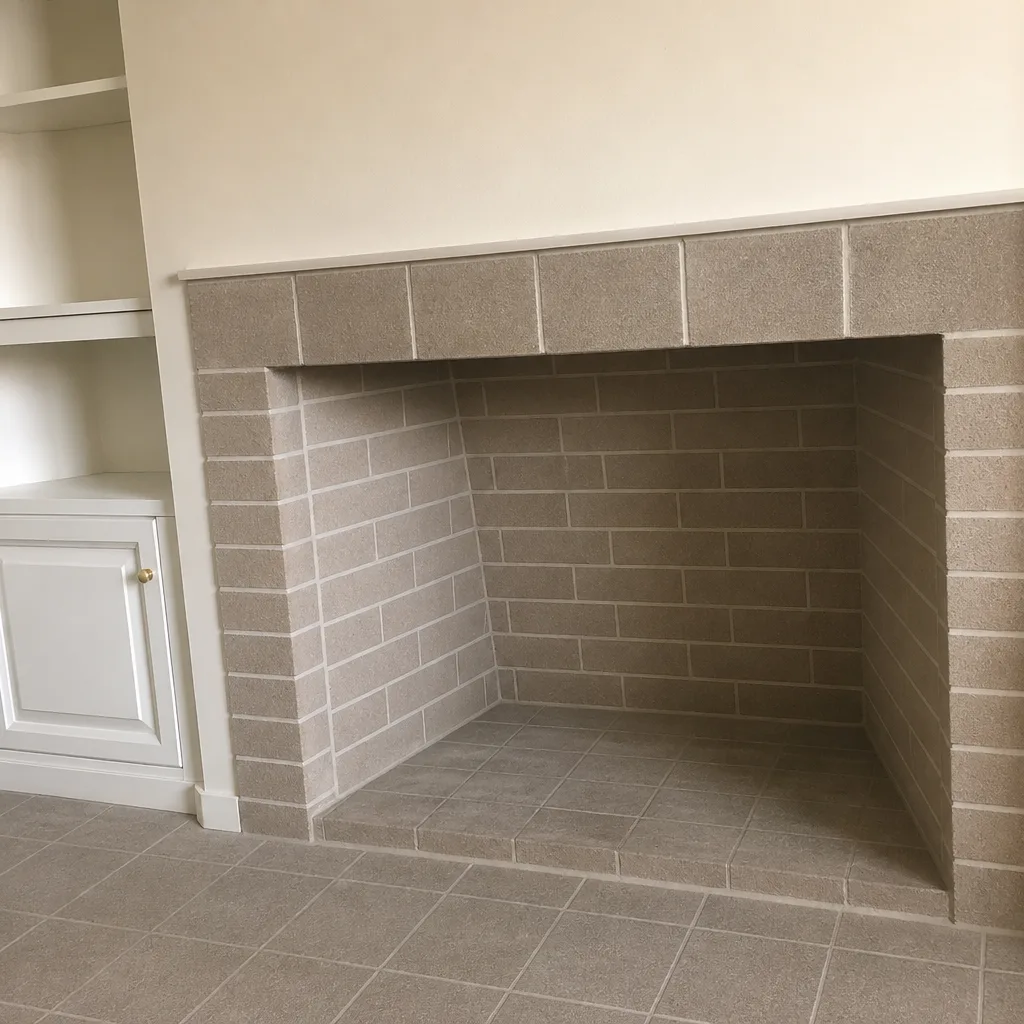
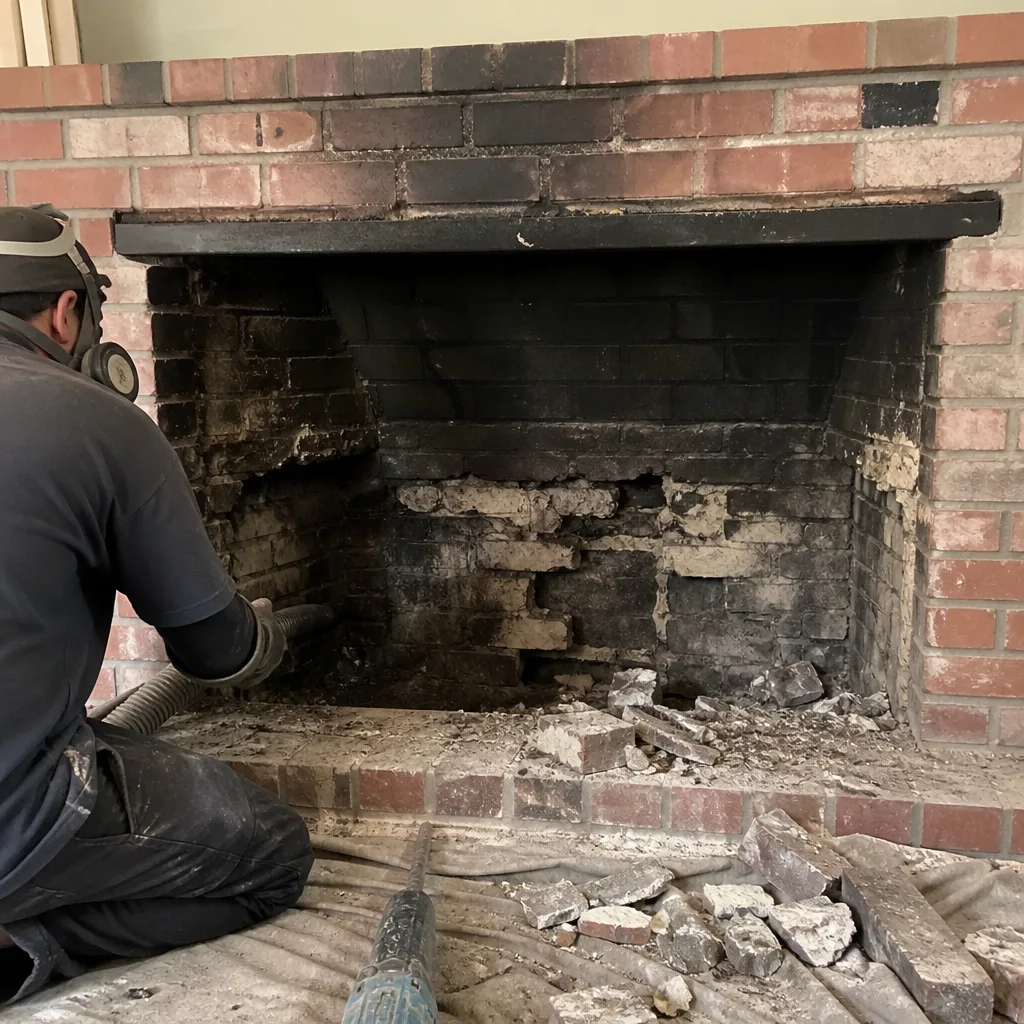
See the difference
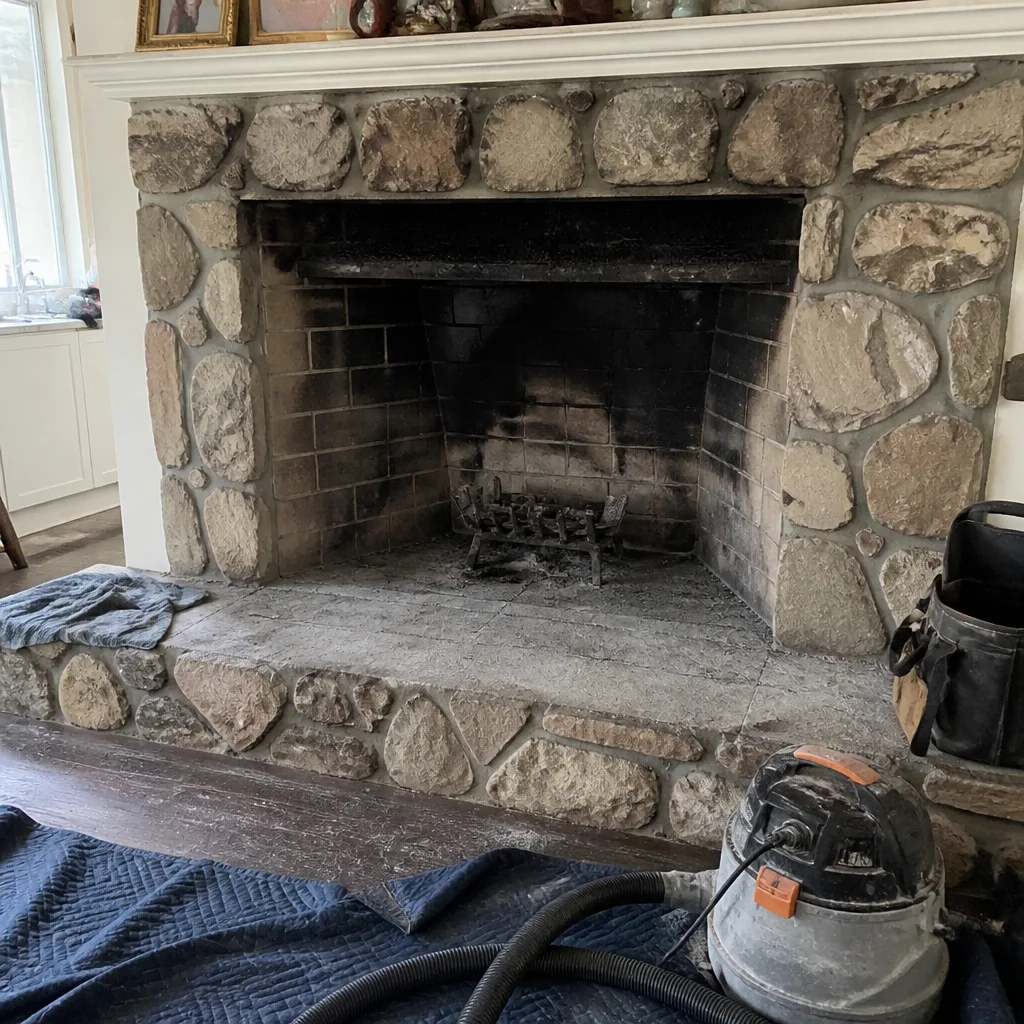 Before
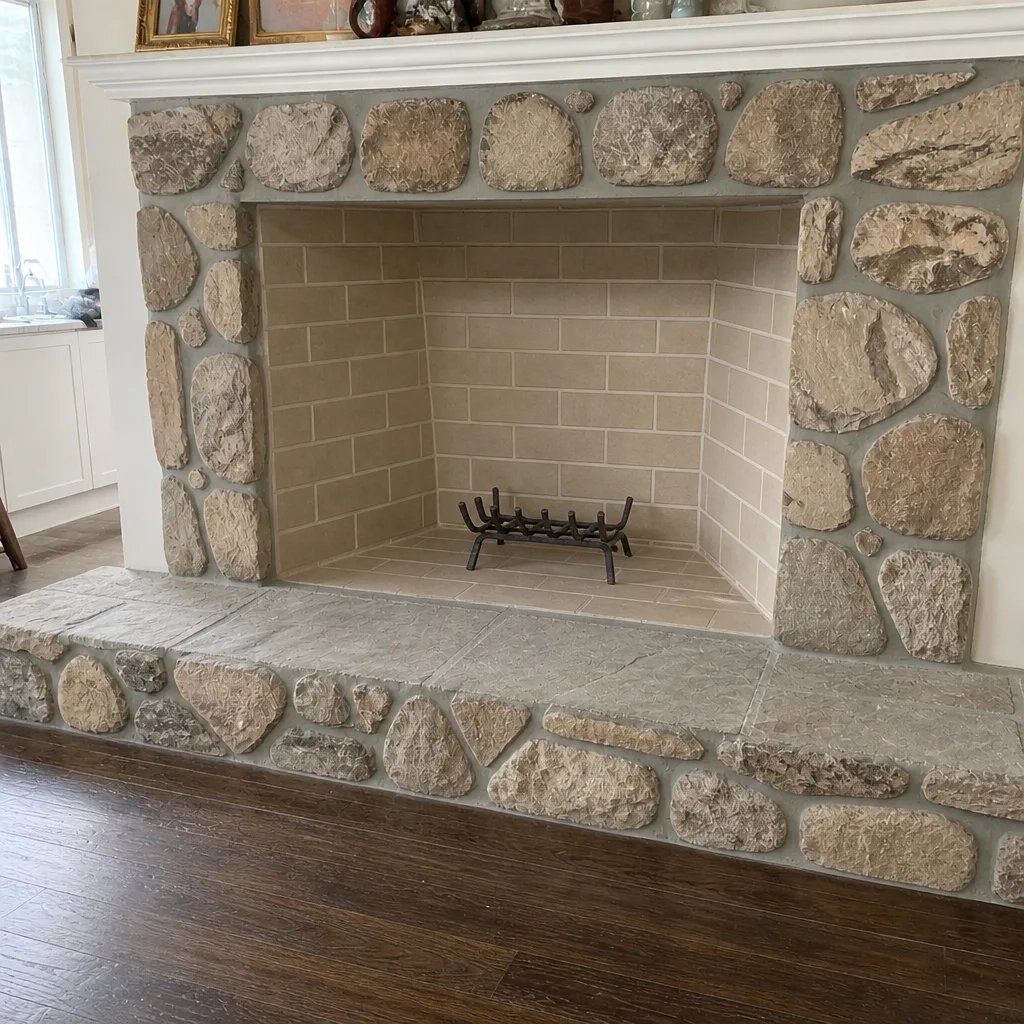 After
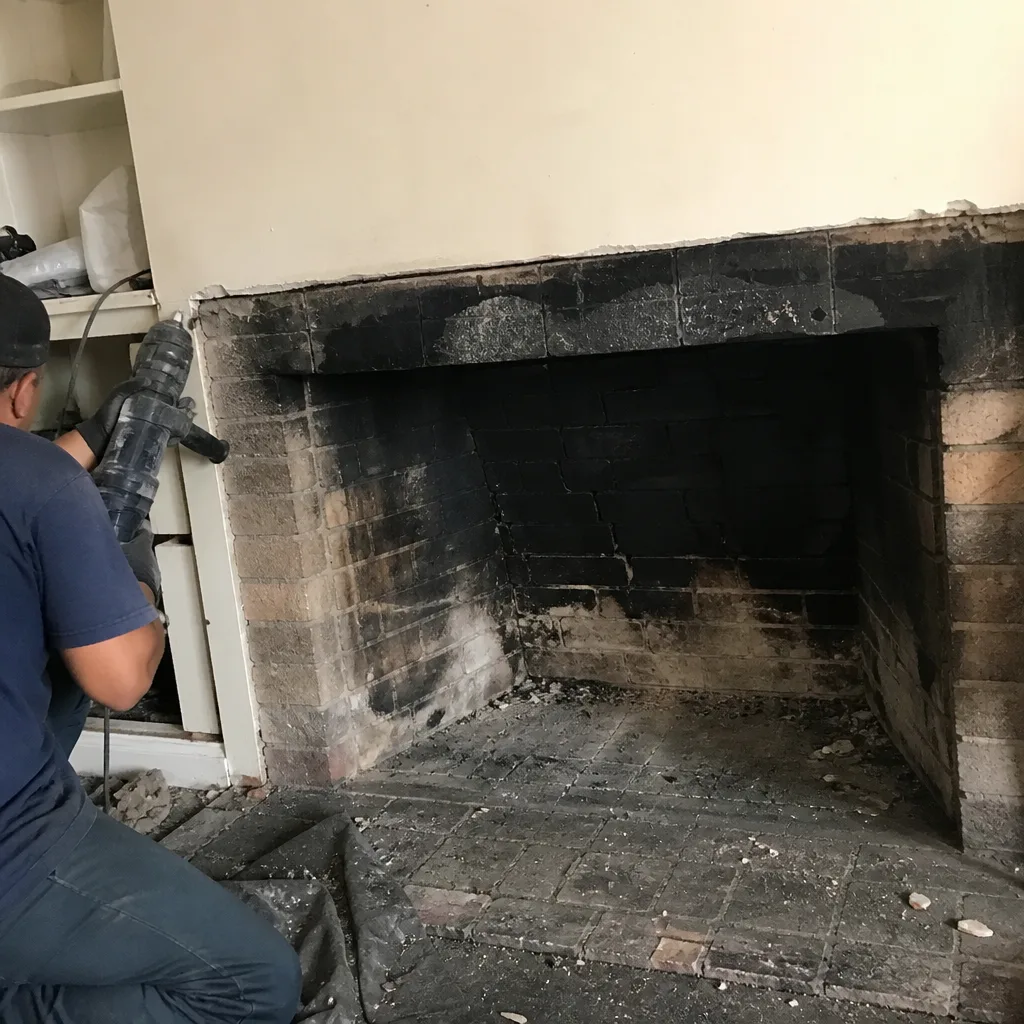 Before
 After
 Before
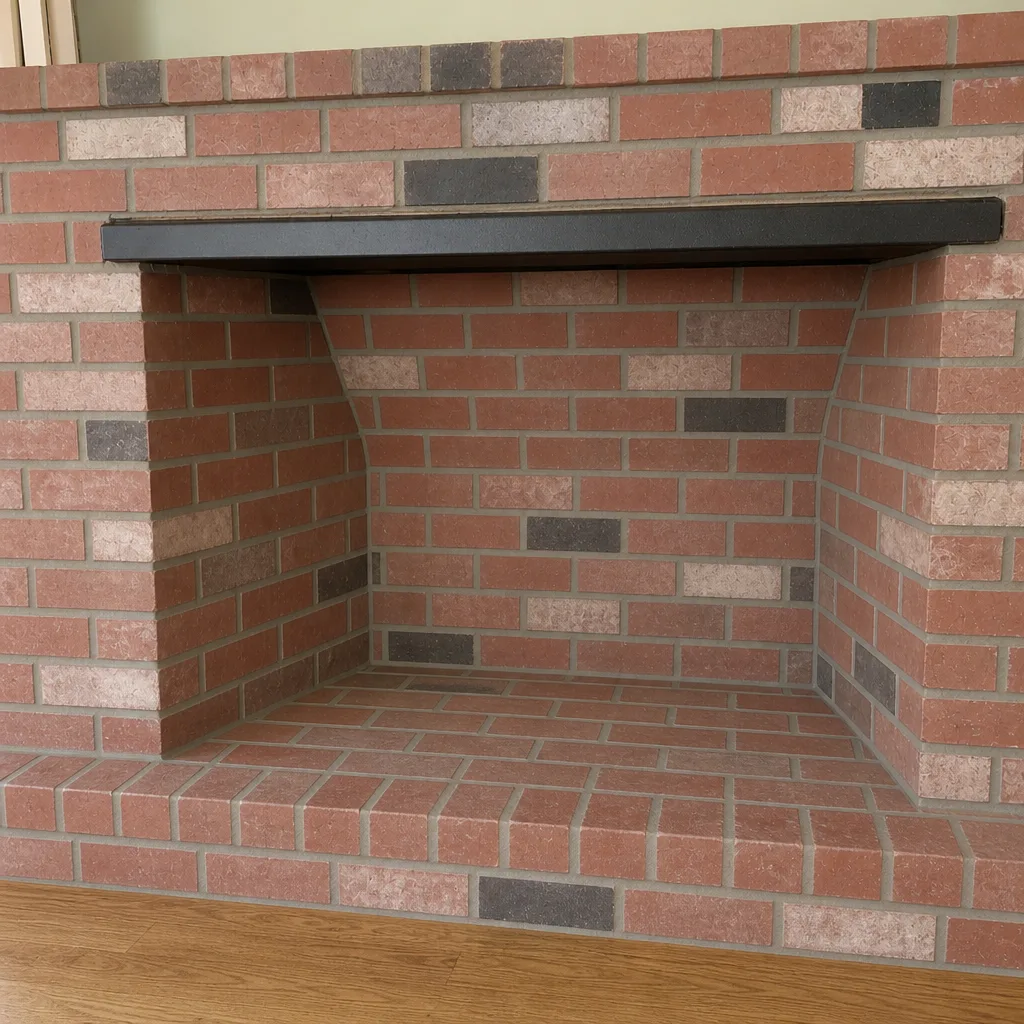 After
When to Call a Professional
Some chimney work is routine, and some is genuinely dangerous to ignore. Call a professional when you notice any of the following: a strong creosote or smoke smell in the house, visible soot or black staining around the firebox, a damper that won’t open or close smoothly, water stains on the ceiling near the chimney, crumbling mortar or a cracked crown visible from the ground, or a fireplace that drafts poorly or smokes into the room. Also call if your insurer or a home inspector flagged the chimney, or if you’ve just bought a home and don’t know its chimney history. Carbon monoxide is a serious concern with gas appliances and blocked flues, so if you suspect a venting problem, treat it as urgent and get it checked. The systems that carry exhaust and hold fire are not a place to improvise.
Fullerton Chimney Sweep offers free estimates in Fullerton. Call (833) 508-9170. We answer 24/7. Fast dispatch from 7am to 7pm, Sunday through Friday.
Frequently Asked Questions
A standard chimney cleaning with a Level 1 inspection in Fullerton typically costs $180 to $340 for a straightforward masonry flue. A Level 2 inspection with a camera adds roughly $100 to $200, and any add-on scope is quoted separately. The written estimate sets the final price. Call (833) 508-9170 for an exact quote; estimates are free.
Not always. A liner replacement is only recommended when the inspection shows the existing liner can no longer safely contain the fire and exhaust, and it should come with camera evidence you can see. Sometimes a deteriorated liner can be restored with HeatShield ceramic resurfacing instead of a full reline. If a technician tells you a liner is urgent, ask to see the footage before agreeing to anything. Call (833) 508-9170 and we’ll book a free estimate.
Most homes should be swept and inspected about once a year, or more often if you burn heavily. In Fullerton, where winters are mild and many households burn in bursts, a yearly inspection is the safest baseline. The right schedule depends on your actual burning habits and the condition found at each inspection. Call (833) 508-9170 to book a sweep and get a straight answer on your schedule.
Skipped cleanings let creosote accumulate, and at the glazed stage it becomes the fuel for a chimney fire. A blocked or deteriorated flue can also back exhaust into the home. The risk grows quietly, which is why a yearly inspection is worth more than waiting for a visible problem. Call (833) 508-9170 for an inspection; estimates are free.
It shouldn’t, if the quote was built correctly. A well-structured estimate names the cleaning and inspection as line items and quotes any add-on scope separately, in writing, based on what the inspection actually finds. Surprises come from quotes that skip the inspection line. Call (833) 508-9170 and we’ll show you a written estimate before any work begins.
A Level 1 inspection is a visual check of accessible components during a routine cleaning. A Level 2 adds a camera inspection of the flue and more detailed evaluation, and it’s often needed after a chimney fire or a change in fuel or appliance. If you’re unsure which you need, call (833) 508-9170 and we’ll talk it through.
The Bottom Line
Chimney cleaning pricing in Fullerton is predictable once you know the five variables: height, flue type, creosote stage, access, and add-on scope. A standard cleaning with a Level 1 inspection typically runs $180 to $340, with a camera inspection adding $100 to $200. The quotes that surprise homeowners are the ones that leave the inspection off the page and add it back once the technician is on the roof. Compare scope, not just price, insist on evidence before any repair is recommended, and match your cleaning schedule to how you actually burn. Our technicians have up to 14 years of experience, and we work on the whole chimney system, not just the part you can see.
Contact
If you’ve read this far, you already know more than most homeowners about what a fair chimney quote looks like. Whether you need a standard sweep, a camera inspection, or a straight answer on whether that liner really needs replacing, we’ll show you the evidence and quote the work in writing before anything begins. Call (833) 508-9170 for a free estimate. We answer 24/7. Fast dispatch from 7am to 7pm, Sunday through Friday.
Written by the team at Fullerton Chimney Sweep.