
Last updated November 25, 2026
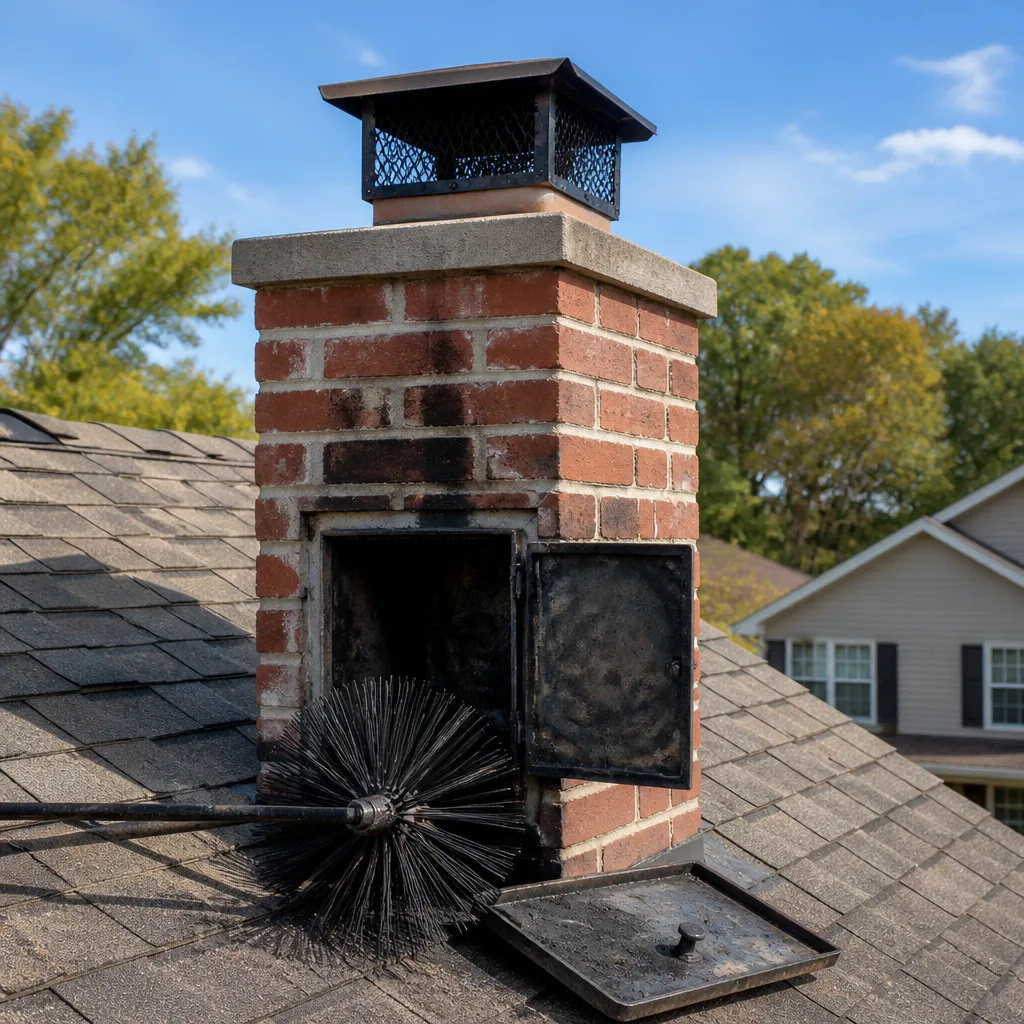 Sweep & inspection
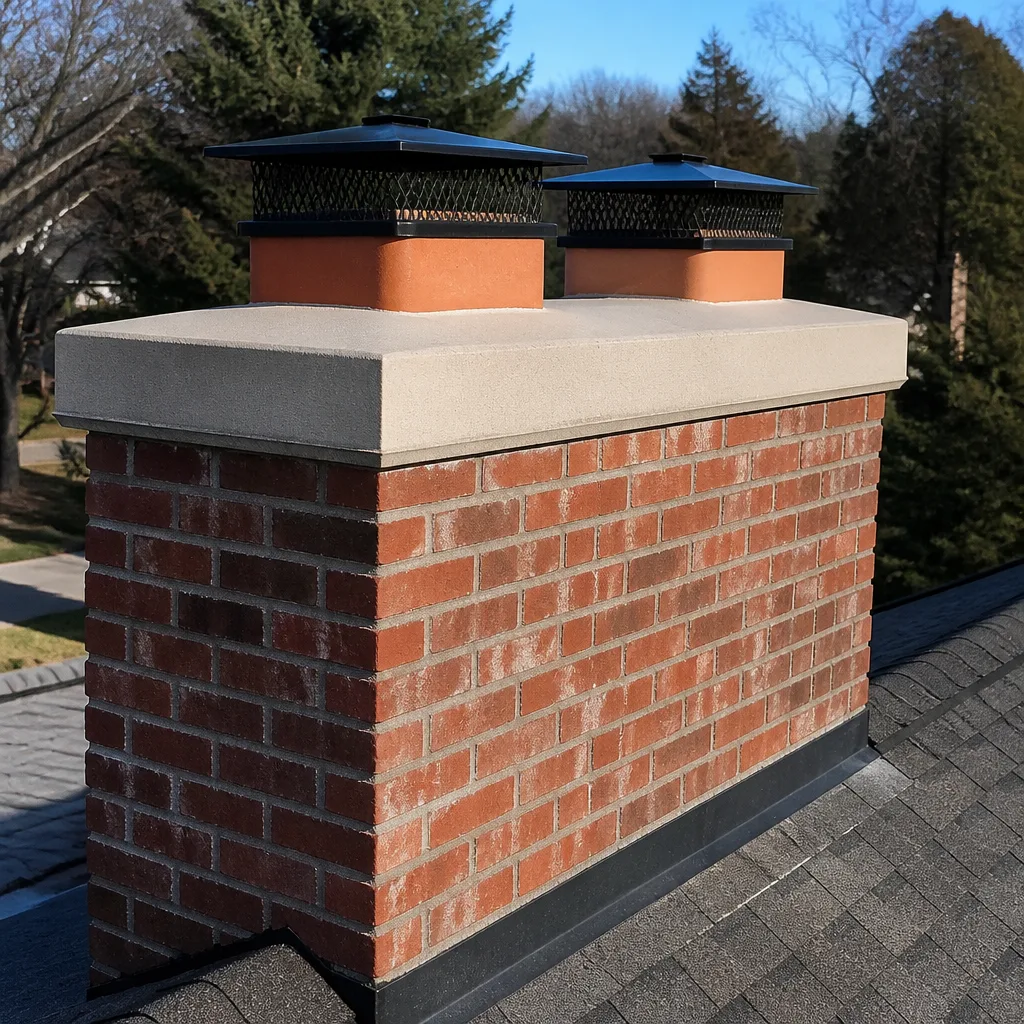 Caps & crowns
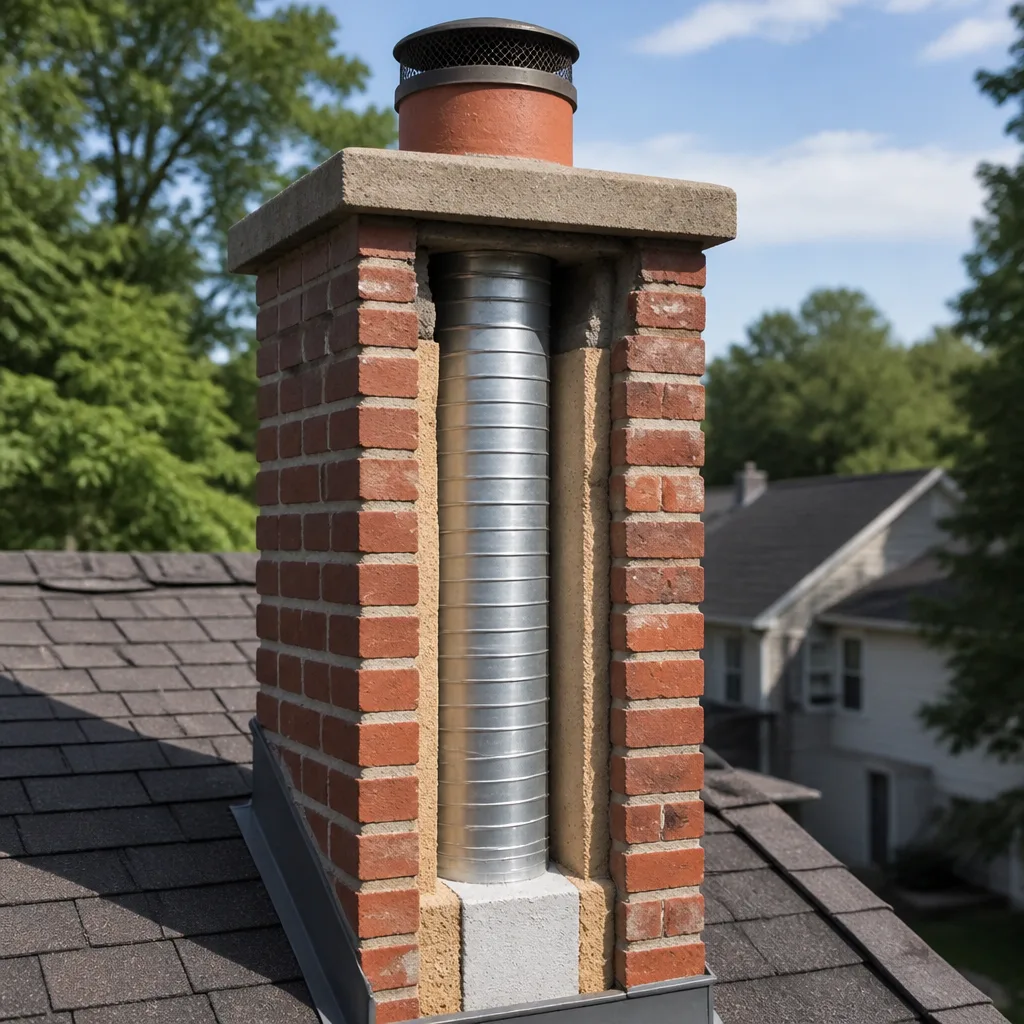 Flue relining
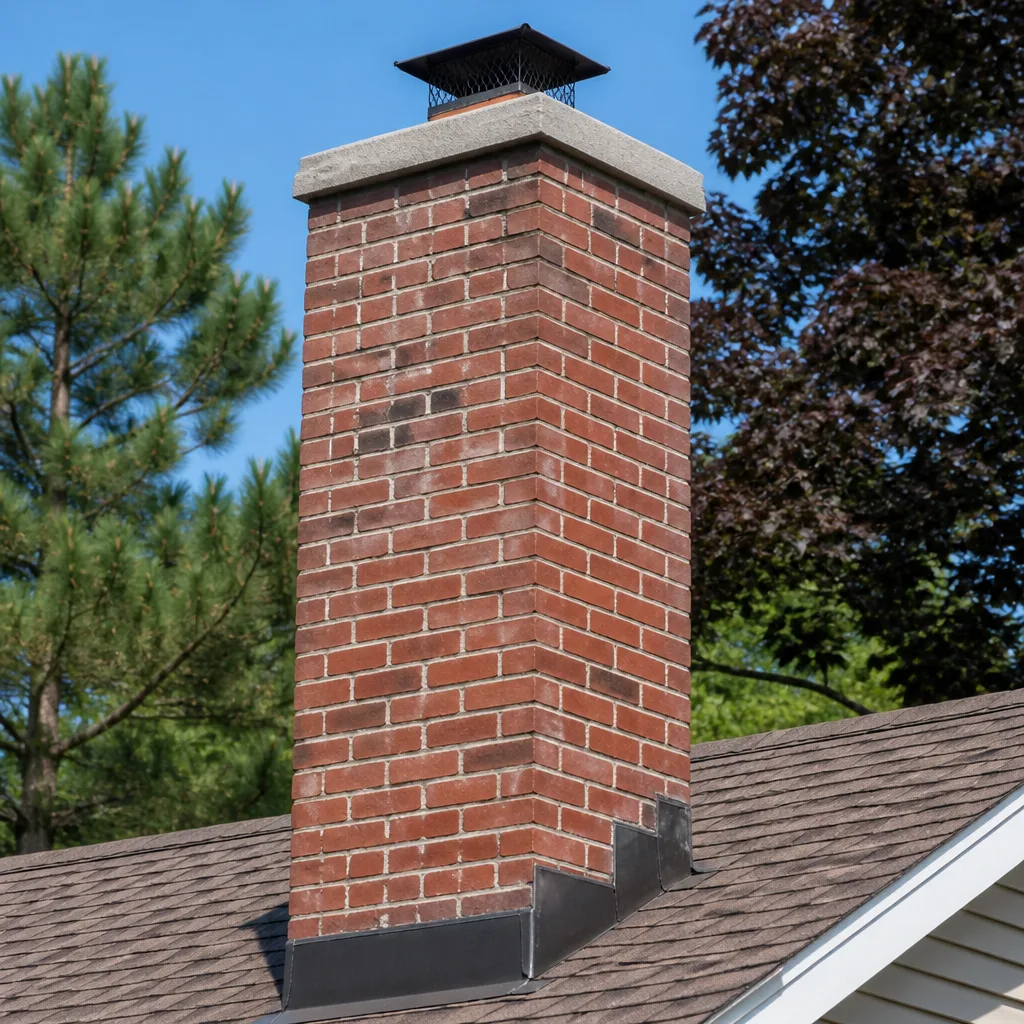 Masonry repair
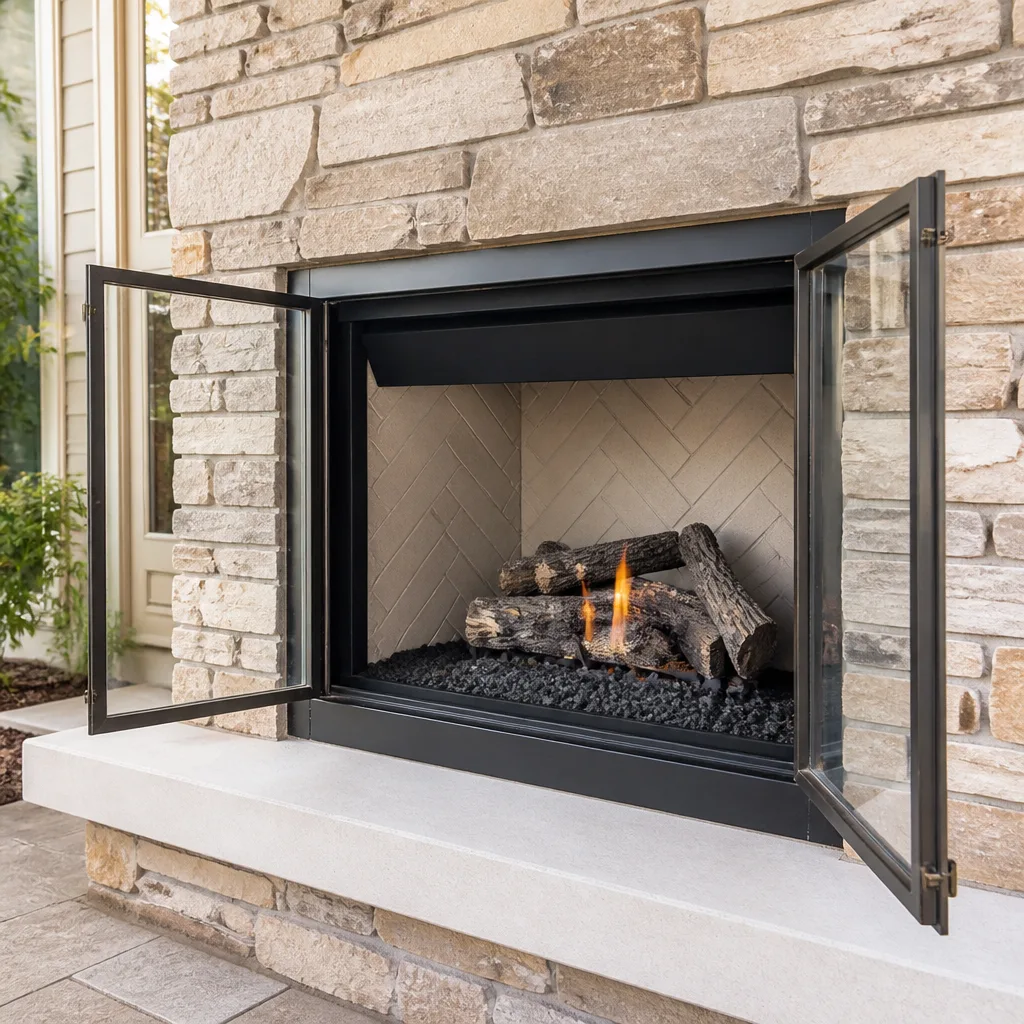 Gas fireplace service
Level 1 sweep and inspection to the NFPA 211 annual standard - flue, crown, cap, and flashing checked and photographed
Chimney sweep logs do not sweep chimneys. They loosen some creosote - which then falls where a brush and vacuum still have to collect it.
Seasonal Chimney Cleaning Care for Fullerton: Year-Round Homeowner’s Guide
If you’re waiting until October to think about your chimney, you’ve already missed the optimal cleaning window for a Fullerton home. Most chimney advice you’ll read was written for a place with four hard seasons and a long, cold winter. Fullerton doesn’t work that way. Our fire season is fall, our burning stretches across cool spring and fall evenings rather than one deep winter, and the weather does its quiet damage in the warm months, not the cold ones. This guide replaces the standard calendar with one built around how Fullerton actually behaves, month by month. You’ll learn when to book a cleaning, why the shoulder seasons matter, and the one task almost every homeowner here skips.
Quick Answer
The best time to have your chimney cleaned in Fullerton is late August through September, before the Santa Ana winds arrive and before your first fall fire. A chimney should be swept and inspected once a year if you burn regularly, and inspected annually even if you don’t. Because Fullerton’s burning happens in cool spring and fall evenings rather than one cold stretch, creosote builds in smaller, more erratic layers that are easy to misjudge by eye. The single most-skipped task here is damper lubrication and sealing, which protects both fire safety and the hardware itself.
Styles & brands we work with
- Sweep & inspection
- Caps & crowns
- Flue relining
- Masonry repair
- Gas fireplace service
Table of Contents
- Why Fullerton’s Climate Breaks the Standard Chimney Calendar
- Why August and September Are the Ideal Cleaning Window in Fullerton
- What Shoulder-Season Fireplace Use Does to Creosote
- A Month-by-Month Chimney Care Calendar for Fullerton
- Protecting an Unused Chimney Through Fullerton’s Dry Summer
- The One Task Fullerton Homeowners Skip: Damper Lubrication and Sealing
- What a Year-Round Care Visit Actually Includes
- Understanding Your Inspection: What the Levels Mean
Why Fullerton’s Climate Breaks the Standard Chimney Calendar
Most chimney care advice assumes a long, sustained cold season. That model doesn’t fit Fullerton, and following it can leave you cleaning at the wrong time and ignoring the problems that actually show up here. The local conditions that change the picture are specific, and once you understand them, the whole schedule rearranges itself.
Start with the fire season. In much of the country, the chimney is worked hardest in the dead of winter. In Fullerton, the heaviest burning tends to land in fall, when the evenings cool off and the fireplace becomes the center of the house again. That means the buildup you most need to clear happens right before and during the fall, not in January. A homeowner who cleans in spring is cleaning after the buildup has already happened once and is about to happen again.
Then there’s the shoulder season. Fullerton gets cool evenings in spring and again in fall, with warmer days in between. People light a fire for a few hours in the evening, let it die, and don’t relight for days. That on-again, off-again pattern matters because it changes how creosote forms. Sustained cold-weather burning produces a steady, even layer. Short, intermittent burns produce something more uneven: thin deposits that cool quickly, sometimes glazing where flue temperatures swing. It looks minor and it isn’t always.
And the humidity. The air here carries moisture much of the year, and that moisture finds every metal and mortar surface on the outside of the system. Dampers, hinges, and mortar joints at the top of the chimney take the brunt. None of this shows up as dramatic damage. It shows up as hardware that sticks, mortar that crumbles at the crown, and prefab fireplace components that age faster than their paperwork suggests.
Put those three things together, and the conclusion is simple: Fullerton doesn’t need a winter-first calendar. It needs a fall-first one, with eyes on the top of the chimney and the damper all year. That’s the framework the rest of this guide builds on. When you’re ready to schedule the cleaning itself, our chimney sweep service covers the whole visit, and we work on the whole chimney system, not just the part you can see.
Why August and September Are the Ideal Cleaning Window in Fullerton
Late August through September is the best window to have your Fullerton chimney cleaned and inspected, and there are two clear reasons. First, the post-summer bird nesting season winds down, so the flue is less likely to be occupied and more likely to be clear of nesting material. Second, the Santa Ana winds typically start in October and push debris downward into the flue and cap. Clean before both, and you start the season with a clear system instead of one that fills up the week you want to light your first fire.
Here’s the logic in order:
- Nesting season ends. Birds and other animals use chimneys as shelter through the warm months. Once they’ve moved on, a sweep clears out what they left behind before it becomes fuel or a blockage.
- Summer debris is at its peak. Dry months mean dry debris: leaves, twigs, and dust that collect on the cap and in the flue. Cleaning after that accumulation, not before, means you remove all of it at once.
- The Santa Ana winds are still ahead. October winds drive debris downward. A clean flue and a properly fitted cap handle that far better than a dirty, open one.
- You still have time to repair. If the inspection finds a cracked crown or a deteriorated liner, a September visit leaves you room to get the work done before the first burn. A November visit leaves you deciding between a rushed repair and a fire you shouldn’t light.
- The shoulder season is about to start. The cool evenings that get people lighting fires tend to arrive right after this window. Cleaning just before that means the buildup you create this season starts from zero.
The practical takeaway: book the visit for late summer, not the first cold night. If you’ve already burned through a fall and winter, that’s fine too, you just want to catch up before the next season rather than during it. Our technicians have up to 14 years of experience, and they can tell you quickly whether the timing has already cost you anything.
What Shoulder-Season Fireplace Use Does to Creosote
Shoulder-season burning in Fullerton, meaning those cool spring and fall evenings with warm days in between, produces creosote differently than a steady cold-weather burn. When a fire burns hot and long, the flue stays warm and deposits tend to form in a more even layer. When a fire burns short and cool, the flue cools between burns and deposits form in uneven patches, sometimes with glazing in spots where temperatures swing hardest. That unevenness is the problem: it’s easy to look at and assume it’s minor.
Creosote is the residue left when wood smoke cools before it leaves the chimney. It comes in stages, and the stages matter for safety and for how easily the chimney can be cleaned.
- Light, flaky soot. The earliest stage, easily brushed. This is what most short shoulder-season burns produce at first.
- Crumbly, crusty deposits. The second stage, harder to remove and a sign the flue is running cool enough to condense more residue.
- Glazed, hard deposits. The third stage, dense and difficult, and the stage that raises real fire risk because it’s fuel clinging to the flue wall.
What makes shoulder-season burning distinct is how it moves through these stages. A homeowner who burns a few evenings in spring and a few in fall might think they’re only at the first stage. Often they’re further along than they expect, because the short, cool burns are exactly the conditions that condense more residue. We’ve seen a Fullerton homeowner’s annual amount of wood produce more buildup than the same amount burned steadily through a cold winter.
The response is not to stop using the fireplace in spring and fall. It’s to check more often than the standard once-a-year rule would suggest, and to pay attention to what the fire is doing. Dense smoke that lingers, a fire that struggles to draw, or a flue that smells strong between burns all point to buildup worth a professional look.
A Month-by-Month Chimney Care Calendar for Fullerton
A Fullerton chimney calendar runs fall-first, with the warm months focused on protection and the cool months focused on burning safely and checking the residue. The table below is the whole schedule at a glance; the notes underneath explain why each stretch matters here.
- January to February: Peak burning for many homes. Watch the fire’s draw and smoke; check the cap and crown for storm-season wear.
- March to April: Spring shoulder season. Cool evenings mean intermittent burns and uneven creosote. Do a visual check of the firebox and flue.
- May to June: Burning largely stops. This is when summer pests and debris start using the chimney, so a fitted cap matters most.
- July to August: Dry-season protection mode. Debris peaks, nesting season is wrapping up, and the visit you book for late summer is the one that clears it all.
- September: The ideal cleaning and inspection window. Get the sweep and inspection done before the Santa Ana winds and the first fall fire.
- October to November: Santa Ana winds push debris down. The first fall burns begin. A clean flue and sound cap handle all of it.
- December: Full burning season. If the inspection flagged anything in September, it should be resolved by now.
The reasoning behind the warm-weather half of the calendar is covered in its own section below, but the short version is this: Fullerton’s dry summer is when the chimney is most exposed to debris and animals and least likely to be inspected, which is exactly the wrong combination. The cool-weather half is about residual buildup and hardware wear. Follow the table loosely and you’ll stay ahead of both.
Protecting an Unused Chimney Through Fullerton’s Dry Summer
An unused chimney in a dry Fullerton summer is the most vulnerable it will be all year, and for reasons that have nothing to do with fire. Dry months are when debris accumulates most and when animals look for shelter with the least resistance. A chimney nobody is using and nobody is checking becomes a collection point. Protecting it is mostly about three things: a sound cap, a clear crown, and a habit of looking up.
The cap is the first line. A properly fitted cap keeps out rain, birds, and the larger debris that otherwise lands in the flue all summer. If the cap is missing, loose, or damaged, that’s a summer problem before it’s a winter one. We use Gelco and Famco products engineered for chimney weather protection because the cap has to survive a dry, sunny, dusty season and still seal when the rain eventually arrives.
The crown is the second line. The crown is the concrete surface on top of the chimney that sheds water away from the structure. A cracked or crumbling crown lets water in at the top, and water in at the top travels down. Most serious water damage on a chimney starts here, not in the firebox. Checking the crown at the end of summer, before the rains return, is one of the higher-value habits a Fullerton homeowner can build.
The habit is the third. A quick look at the top of the chimney a few times through the summer catches a missing cap or a crumbling crown before either turns into a repair. For the parts you can’t see from the ground, an annual inspection does the job. If you’re catching up on repairs, our chimney repair service covers crown work, cap installation, and structural fixes so the whole system is handled by people trained on chimneys specifically.
The One Task Fullerton Homeowners Skip: Damper Lubrication and Sealing
Damper lubrication and sealing is the maintenance task Fullerton homeowners skip most often, because almost nobody associates the damper with fire safety. It’s easy to see why: the damper is a metal flap, it opens and closes, and as long as it moves you assume it’s fine. What goes unnoticed is that a damper that’s stiff, corroded, or not sealing properly affects both how the fireplace burns and how much conditioned air and moisture enter the house between burns.
The damper sits between the firebox and the flue. When it’s open, the fire draws. When it’s closed, it’s supposed to seal the flue off from the room. In Fullerton’s humid air, the metal parts of the damper and its hinge wear quietly. Dust, moisture, and time make it stiff. A stiff damper tends to be left open more often than it should be, and an open damper is an open path for air, moisture, and anything else that finds its way down the flue. A damper that doesn’t seal well does the same thing even when it looks closed.
Here’s what’s worth checking:
- How it moves. The damper should open and close smoothly by hand. A hard, gritty, or sticking motion points to corrosion or a dry hinge.
- How it sits. When closed, it should seat against its frame with no obvious gap. A visible gap means it isn’t sealing.
- Whether the fire draws properly. A fire that smokes into the room, especially at startup, may be a damper that isn’t opening fully or a flue that’s partly blocked.
We service dampers as part of the broader fireplace repair work, because the damper is part of the fireplace system and treating it separately does the homeowner no favors. It’s a small task with an outsized effect: a damper that works and seals keeps the fireplace behaving the way it should and keeps the moisture and pests out between burns.
Understanding Your Inspection: What the Levels Mean
A chimney inspection tells you exactly where things stand, which is why it’s worth understanding what you’re buying. Not every inspection is the same depth, and the level that’s appropriate depends on what’s going on with the chimney. The industry uses three standard levels, and knowing the difference helps you ask the right questions.
- Level 1. The basic annual inspection. It covers the readily accessible parts of the chimney and fireplace, the firebox, damper, and visible flue, and it’s appropriate when the chimney is in regular use and nothing has changed.
- Level 2. A more thorough inspection that includes the attic, crawl spaces, and other accessible areas. It’s appropriate after a change: a new home purchase, a change in fuel type, an event like a chimney fire or a storm, or a repair. Many homeowners need this level when they’ve inherited a chimney they don’t know the history of.
- Level 3. The most detailed level, appropriate when a problem requires opening up parts of the chimney to investigate. It’s used when the first two levels identify something that can’t be resolved without access.
The point of an inspection is honesty about the system, not upsell pressure. A good inspection tells you what’s sound, what needs attention, and what can safely wait. If someone recommends a repair you can’t see, ask what evidence supports it. That’s a fair question and a specialist should be able to answer it plainly. If you’re new to a Fullerton home and don’t know your chimney’s history, a Level 2 inspection is usually the right starting point, and our team can walk through what applies to your setup.
What a Year-Round Care Visit Actually Includes
A yearly care visit, done right, covers the whole system rather than just the flue. It’s a sweep, an inspection, and a check of the parts that show wear first: the crown, the cap, the damper, and the mortar joints. This is the difference between a quick brush-out and a real assessment, and it’s why we work on the whole chimney, not only the visible firebox.
The sweep itself removes soot and creosote from the flue and the firebox. The inspection follows, and it’s where most of the value sits, because it’s where problems get caught while they’re still small. The crown and cap get checked for cracks, gaps, and wear. The damper gets checked for movement and sealing. Prefab fireplace components get an eye, because they age and corrode in humid air and are easy to overlook. If a liner needs attention, we use HeatShield ceramic resurfacing for liner restoration or DuraFlex stainless-steel liner systems for full relining, and we specify those because it’s what the job actually calls for, not because they’re the easiest products to source.
We stock and install products from six professional chimney brands, including Olympia Chimney, DuraFlex, HeatShield, Gelco, Famco, and Copperfield, so the parts and materials match the work. That matters in Fullerton, where humid air finds hardware and mortar and ages them faster than the homeowner expects. Every visit ends with a clear answer on what we found and what’s recommended, so you’re not left deciding on a repair you don’t understand. When you’re ready to book, call us and we’ll get the visit on the calendar.
Common Mistakes to Avoid
- Cleaning in spring instead of late summer. Spring cleaning clears last season’s buildup just as the next buildup period is about to start. Sweep in late August or September instead.
- Judging creosote by eye. Shoulder-season burning produces uneven, sometimes glazed deposits that look minor but aren’t. Let a professional measure what’s actually on the flue wall.
- Ignoring the crown and cap. Most water damage on a Fullerton chimney starts at the top. A cracked crown or missing cap is a leak waiting for the first rain.
- Skipping the damper. A stiff or poorly sealing damper lets moisture and pests in and makes the fireplace burn worse. It’s the most-skipped task in the house.
- Leaving a summer chimney unsupervised. An unused chimney in Fullerton’s dry months collects debris and pests. A fitted cap and a look at the top are worth the few minutes.
- Leaving an open flue between burns. A damper left open is an open path. Check that it closes properly, not just that it opens.
- Booking the visit on the first cold night. That’s the busiest, most rushed time of year. Book the sweep before the shoulder-season fires start, not after.
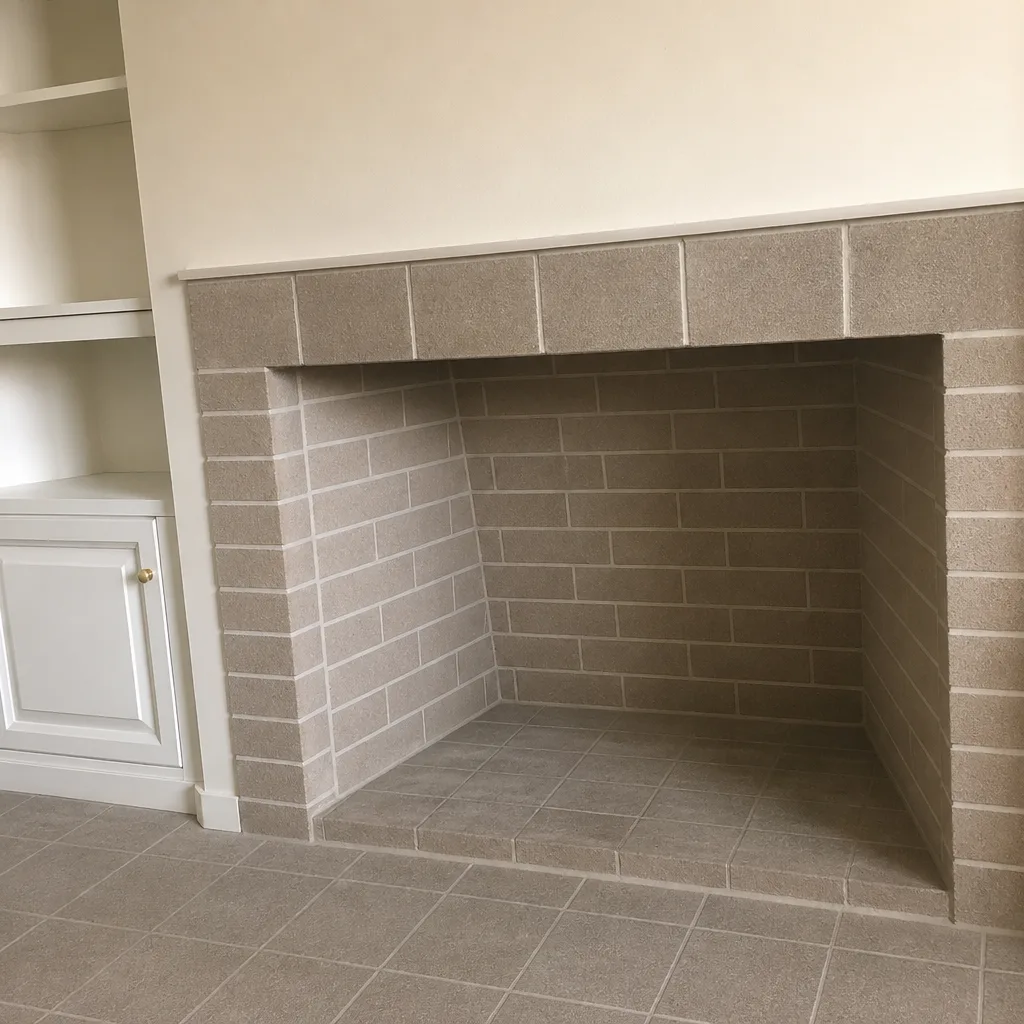
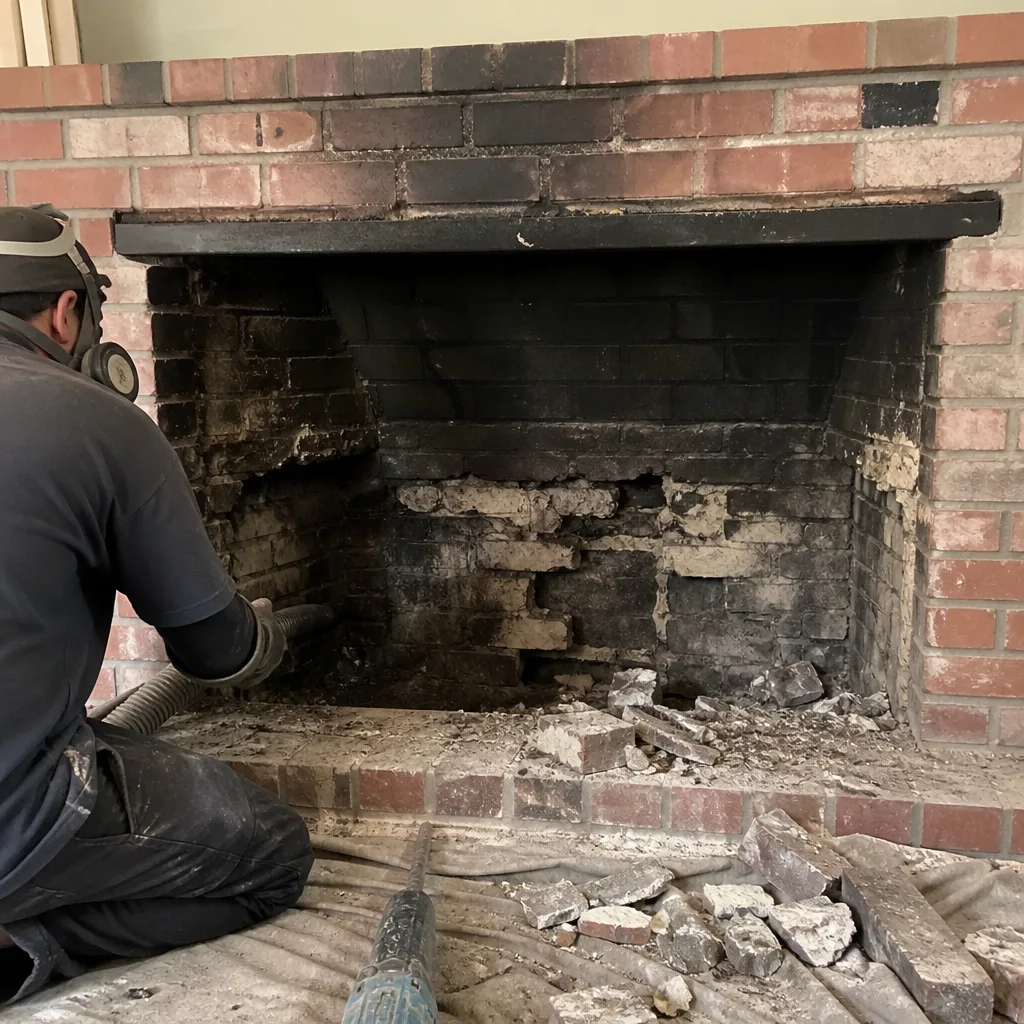
See the difference
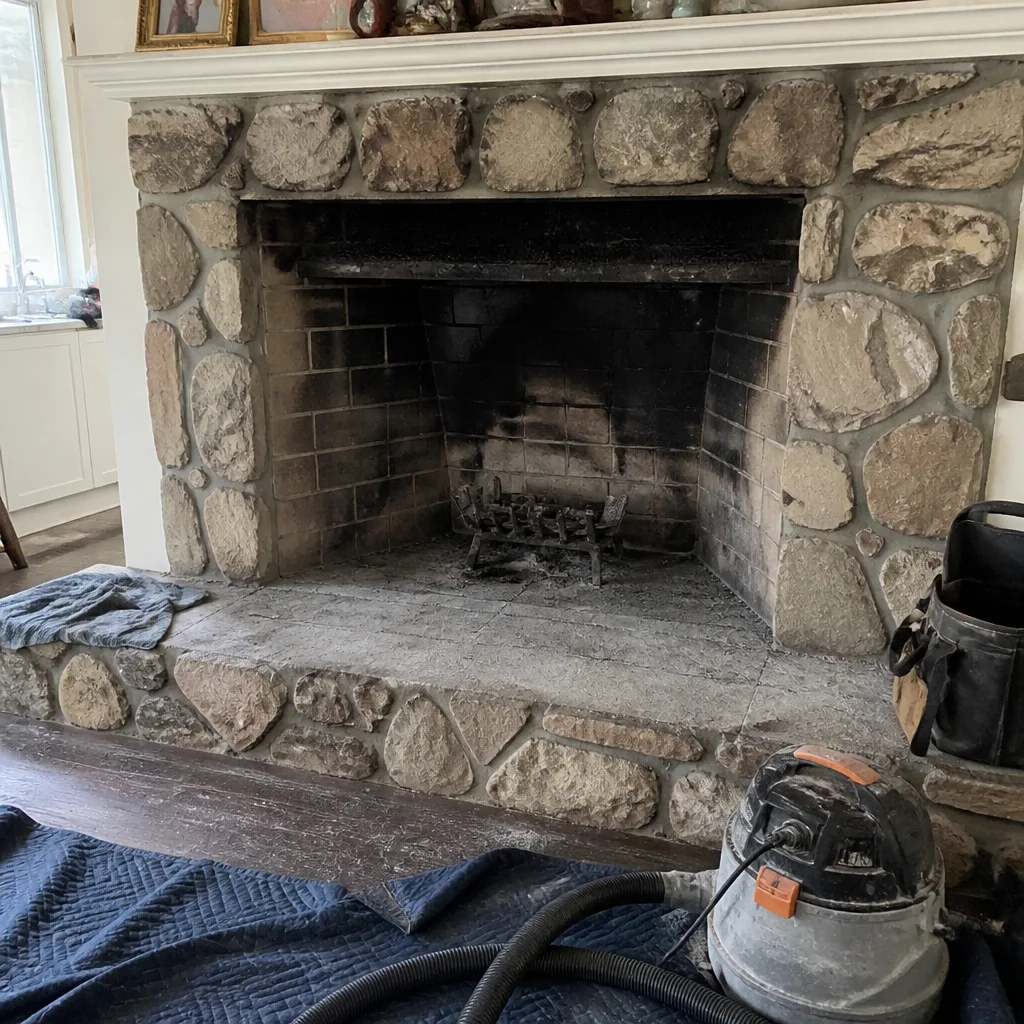 Before
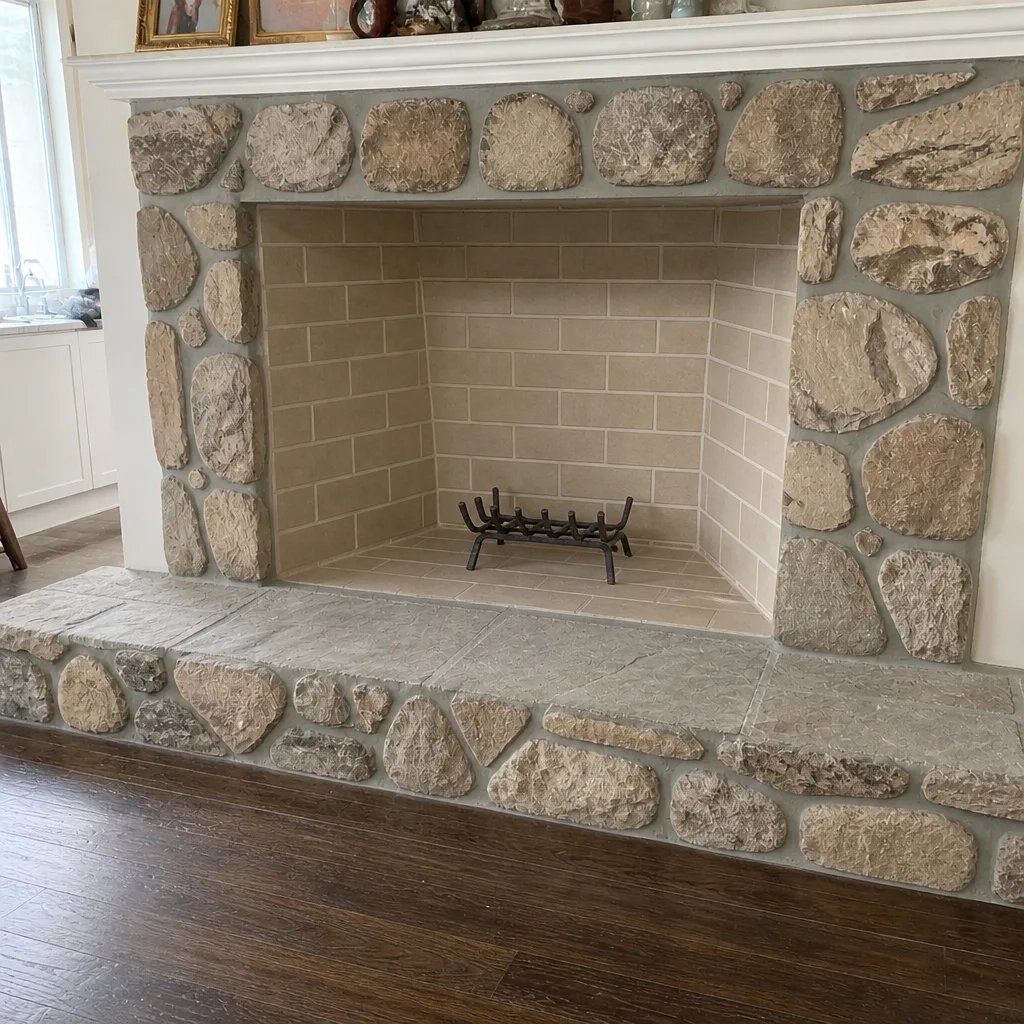 After
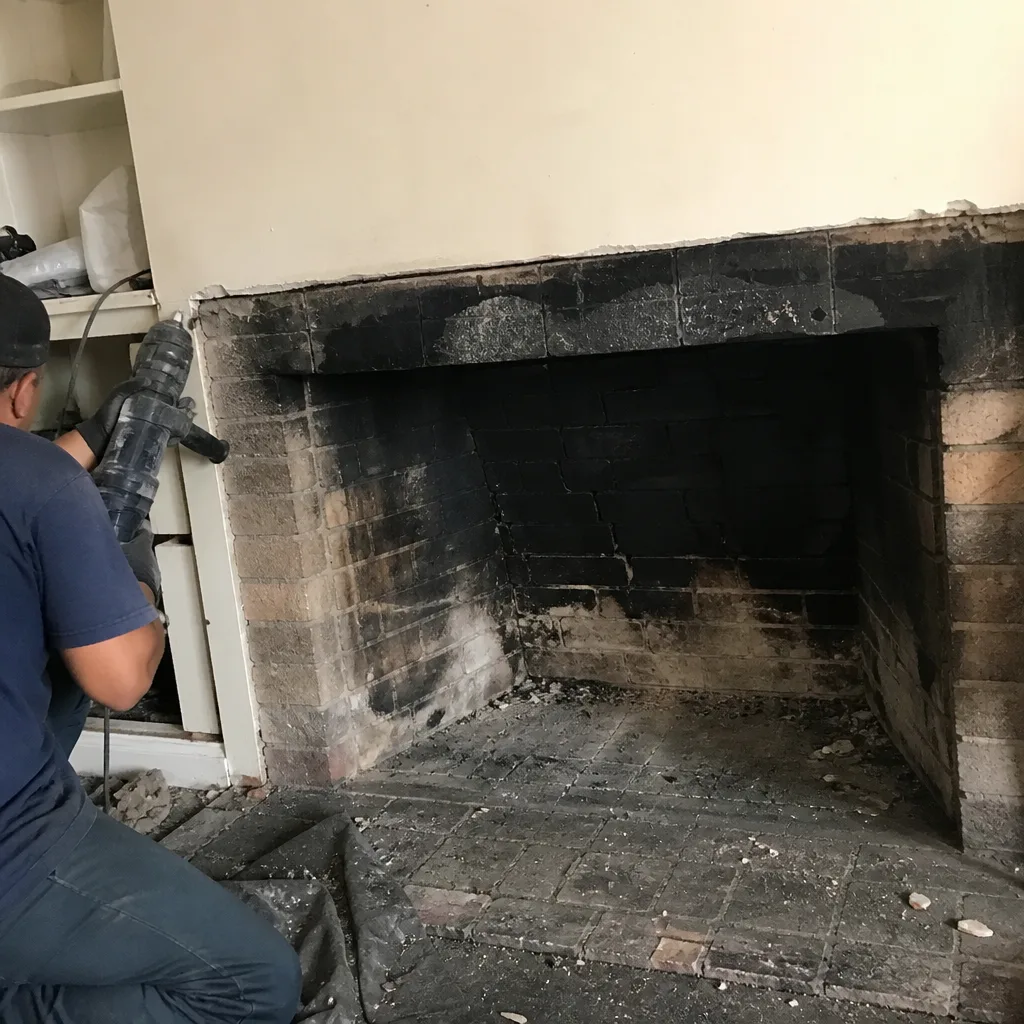 Before
 After
 Before
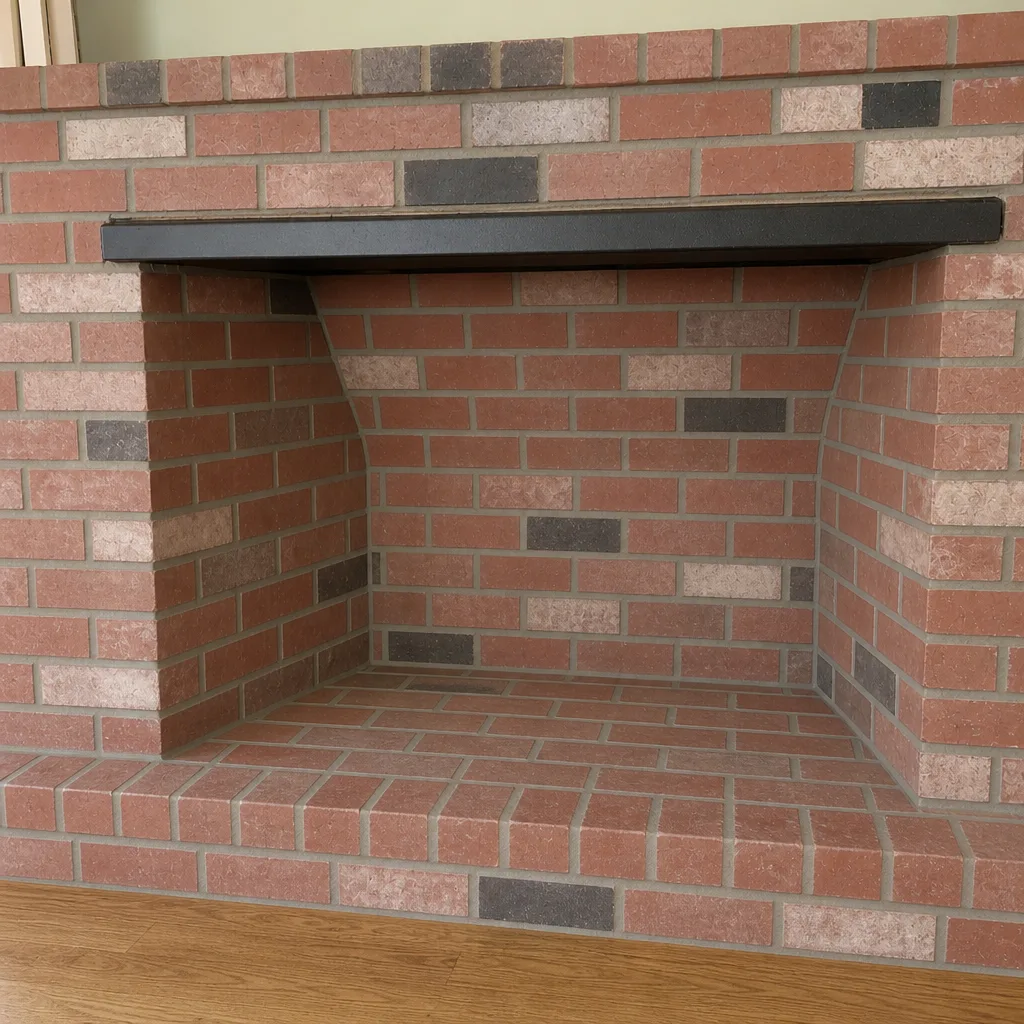 After
When to Call a Professional
Call a professional when the chimney is past what a homeowner can safely manage: a flue that’s glazed or heavily coated, a fire that smokes into the room, a damper that’s stuck or won’t seal, a cracked crown or missing cap, or an annual cleaning that’s due. Also call if you’ve just bought a Fullerton home and don’t know the chimney’s history, and if an inspector or your insurer has told you repairs may be needed and you want a second, evidence-based opinion. High-tension parts, electrical, and gas lines are the components to leave to trained professionals without exception, and anything that involves opening up the chimney structure belongs to a specialist. Fullerton Chimney Sweep offers free estimates in Fullerton, and we’ll tell you plainly what we find and what can wait. Call (833) 508-9170. We answer 24/7. Fast dispatch from 7am to 7pm, Sunday through Friday.
Frequently Asked Questions
Sweep it once a year if you burn regularly, and have it inspected annually even in years you burn little. Fullerton’s intermittent shoulder-season burning produces uneven deposits that make once-a-year checking more important than in colder climates. If buildup is heavy or glazed, the sweep and inspection should happen before the next season starts. Call (833) 508-9170 for an exact quote; estimates are free.
Late August through September is the best window. Nesting season ends, dry-season debris is at its peak, and the Santa Ana winds and first fall fires are still ahead, so you start the season clean and have time to address anything the inspection finds. Call (833) 508-9170 to book before the fall rush.
Not always, and you shouldn’t take “new liner” on faith. A liner can sometimes be restored with HeatShield ceramic resurfacing, and full relining with DuraFlex stainless-steel systems is for cases where the existing liner is deteriorated beyond restoration. The right answer depends on what the inspection shows. Ask for the evidence and see it for yourself. Call (833) 508-9170 and we’ll show you what we find.
Creosote keeps building, and in Fullerton it builds unevenly because of shoulder-season burns. That increases fire risk and makes the eventual cleaning harder. It also means a cracked crown or a seized damper goes unnoticed until it turns into a bigger repair. Skipping a year isn’t a crisis, but skipping several is a pattern worth breaking. Call (833) 508-9170 for an inspection and we’ll tell you where you actually stand.
Because humid air wears the metal hinge and sealing surfaces faster than homeowners expect, and a damper that doesn’t seal lets moisture and pests in and makes the fireplace burn poorly. It’s the task most people skip because they don’t connect it to fire safety. A quick check of how it moves and how it sits tells you a lot. Call (833) 508-9170 if yours sticks or won’t seal.
Yes. A new home means an unknown chimney history, and a Level 2 inspection covers the attic and other accessible areas a basic check misses. It’s the right starting point for a house you’ve just bought. Call (833) 508-9170 and we’ll schedule the inspection before you settle into the new place.
The Bottom Line
Fullerton’s climate doesn’t follow the standard four-season chimney calendar, so your care shouldn’t either. Clean in late August or September, before the Santa Ana winds and the first fall fire. Watch shoulder-season burning for uneven creosote. Protect an unused chimney through the dry summer with a sound cap and crown. And don’t skip the damper, the task almost everyone here skips. A yearly visit that covers the whole system, from the firebox to the crown, is what keeps the chimney safe and honest about its condition. We work on the whole chimney system, and we’ll tell you what’s urgent and what can wait. Call (833) 508-9170 for a free estimate. We answer 24/7. Fast dispatch from 7am to 7pm, Sunday through Friday.
Written by the team at Fullerton Chimney Sweep.